Key Takeaway
The master bathroom remodel ideas worth the investment combine high-impact upgrades like a curbless walk-in shower with frameless glass, a double vanity, quartz countertops, and layered lighting with critical hidden work including waterproofing, ventilation, and proper permits. The 2025 NAR/NARI Remodeling Impact Report gives bathroom renovation a Joy Score of 9.8 out of 10 and estimates about 50% cost recovery at resale. Midrange, timeless choices consistently outperform ultra-luxury finishes in long-term value.
The master bathroom remodel ideas most worth paying for are the ones that make the room easier to live in and built to last: a well-built walk in shower, smart storage with a double vanity, durable porcelain or ceramic tile, quartz or stone countertops, layered lighting, and proper ventilation behind the walls. These upgrades pair everyday comfort with resale appeal and code-compliant craftsmanship, which is what separates a bathroom remodel worth the money from one that just chases trends. If you’re a homeowner planning a meaningful investment, part excited about the vision and part worried about cost and contractors, this guide is for you. (A quick note: what many call the “master bathroom” is now often called the “primary bathroom.”) The best renovations marry visible beauty with the hidden work behind the tile, and that combination is exactly what we build.
What “Worth the Investment” Really Means in a Bathroom Remodel
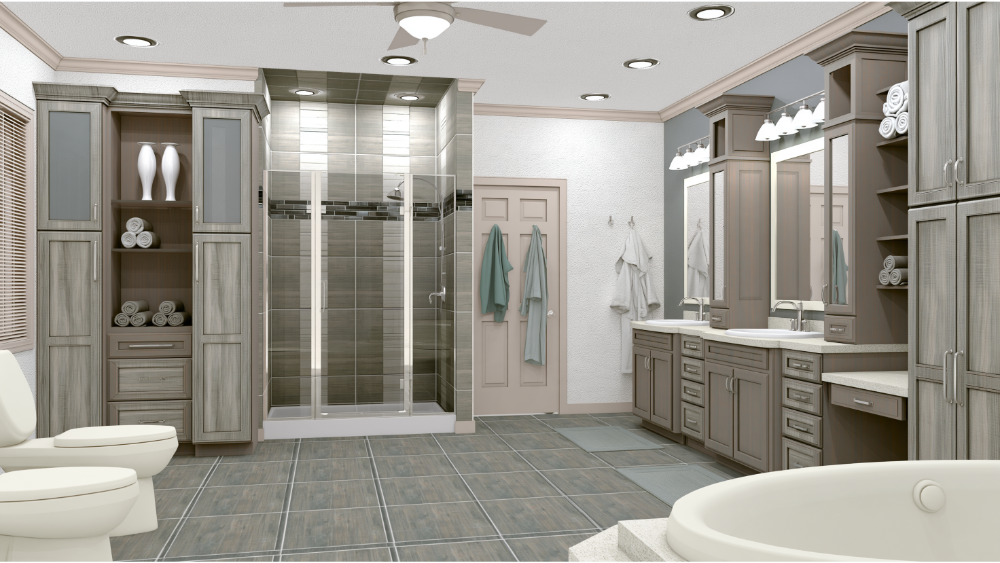
A bathroom remodel returns value in two ways, and confusing them leads to disappointment. There’s financial ROI, what the work adds to your home value at resale, and there’s lifestyle ROI, the daily enjoyment you get from living in the space. The 2025 NAR/NARI Remodeling Impact Report gives bathroom renovation a Joy Score of 9.8 out of 10, one of the highest of any project measured. The same report estimates about 50% cost recovery at resale, and found that 64% of owners felt a greater desire to be home after remodeling and 46% reported increased enjoyment.
Read those numbers together and the takeaway is honest: a bathroom remodel rarely returns every dollar at the closing table, so the smartest spend serves how you actually live while still holding broad resale appeal. Midrange renovations generally return better than ultra-luxury ones, where the extra money buys diminishing resale returns. Throughout this guide, we rank ideas against four pillars: daily comfort, long-term durability, resale appeal, and lower-stress ownership through good planning.
Upgrade the Shower Enclosure First
If you do one thing, upgrade the shower enclosure. It’s the highest-impact change in most primary bathrooms, and it’s where daily comfort and resale appeal meet. A walk in shower with a low-curb or curbless entry reads as modern and open, and it can become the focal point of the whole room. Houzz’s 2025 Bathroom Trends Study found low-curb showers in 44% of upgraded showers and curbless in 20%. Frameless glass makes the room feel larger and cleaner: 84% of upgraded showers have doors, and among those, 75% are frameless.
Tile shower floors dominate at 79%, led by porcelain (39%) and ceramic (26%), and large-format tile on the walls means fewer grout lines to clean. A water-saving showerhead trims water use noticeably without a weak spray. If you love the idea of a spa-like retreat, a steam shower is one of the more genuine luxury features you can build in, though it asks for a sealed enclosure and a properly sloped ceiling to shed condensation. Features worth building in:
- Recessed shower niches for bottles, sized to your tile layout
- A built-in bench for comfort and safety, which also pairs well with a steam function
- A handheld shower for cleaning and flexible use
- A linear drain for a clean, curbless look, paired with a thermostatic valve so the water holds a steady temperature
- Frameless glass to keep sightlines open
Here’s the part most articles skip. The waterproofing membrane behind the tile is the actual moisture barrier, not the tile and grout. Tile and grout are the finish. When that hidden layer is installed correctly over solid backing, the shower performs for decades. When it’s rushed, no amount of pretty tile saves it. This is exactly why we keep the work with our own in-house team, so the layer you never see is done right.
Should You Keep or Remove the Bathtub?
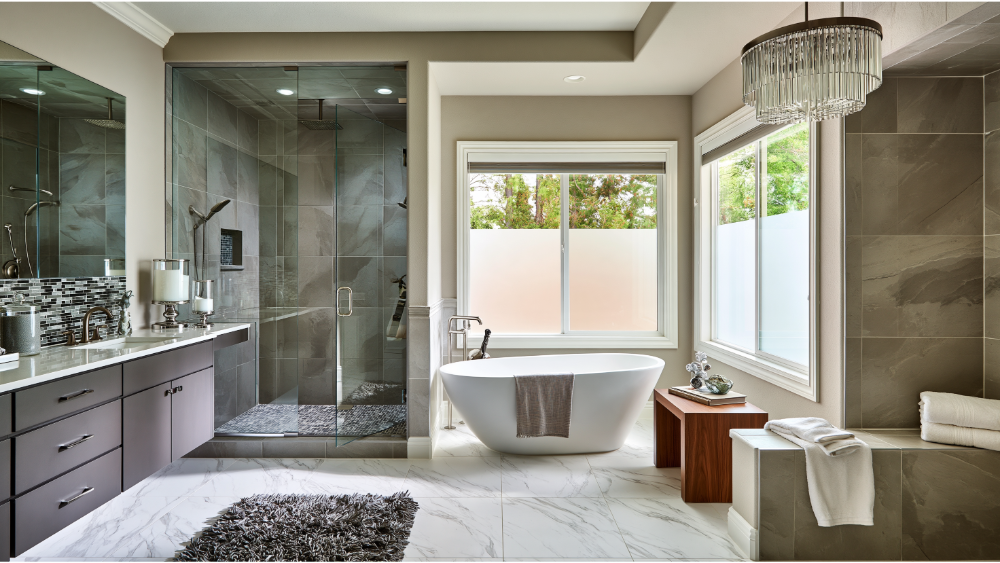
There’s no blanket answer here, and anyone who gives you one hasn’t asked how you live. Houzz found 26% of renovating homeowners remove the tub, and of those, 82% use the space to enlarge the shower. Removing the tub makes sense when it’s rarely used, when the room feels cramped, or when a larger shower would genuinely improve your mornings.
Keeping it makes sense in other cases. A sculptural freestanding tub can become the centerpiece of a master bathroom, and for buyers it signals a luxury retreat off the bedroom. Households with young children often need a tub. If you’re in a family neighborhood where buyers expect one, or if this is the only tub in the entire home, resale can suffer without it. A freestanding tub also needs floor space and, in many cases, relocated plumbing, so weigh the cost against how often you’ll actually use it. Where you can keep the existing plumbing layout, you protect ROI and control cost, since moving drains and supply lines drives the budget up fast. The right call depends on your household, and we’d rather talk that through with you than push a trend.
Invest in a Double Vanity and Storage That Fix Morning Bottlenecks
Most bathroom frustration comes down to two people, one sink, and nowhere to put anything. A vanity that solves those problems earns its cost every single morning. When space allows, a double vanity is one of the best comfort upgrades you can make: Houzz found 47% of renovated bathrooms now have double sinks. Custom or semicustom vanities lead at 55%, and soft-close drawers (78%) and doors (75%) have become standard for good reason. Placing two sinks on opposite walls is another way to keep two routines from colliding.
Storage is where a vanity built to the room beats a stock box forced into place. Worth considering:
- A recessed medicine cabinet that saves wall depth, ideally paired with a good mirror above each sink
- A vertical storage tower between sinks for towels and daily items
- Built-in shelving and a linen closet to end the clutter and give you ample storage
- Pull out drawers and a pull-out hamper so laundry and daily items each have a home
- Drawer wiring with an outlet inside, so hair dryers and razors charge out of sight
This is where our in-house custom cabinetry matters. We build storage to fit your actual room and your actual routine, not to the nearest stock dimension. In a primary suite, the space where your day starts and ends just steps from the bedroom, that fit is what turns a room into a truly functional space and makes it feel like the heart of your home. Adding storage this thoughtfully is one of the upgrades homeowners appreciate most.
Choose Countertops and Materials That Look Beautiful and Work Hard
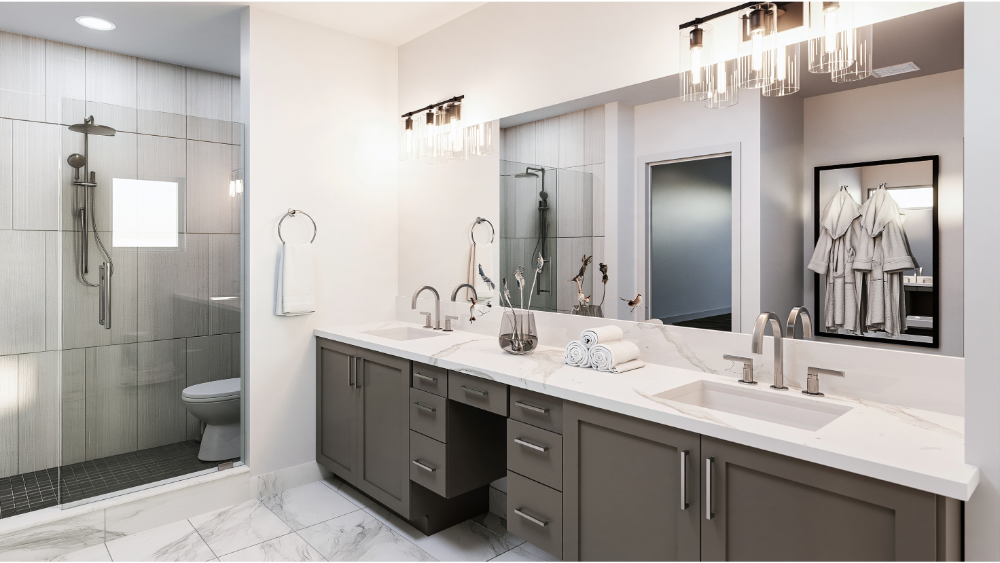
Vanity countertops take daily abuse from water, toothpaste, and cosmetics, so material choice is a durability decision as much as a design one. Engineered quartz leads at 45% for a reason: it’s low-maintenance, nonporous, and resists stains. Quartzite (20%) is a hard natural stone with real character. Granite (14%) is durable and varied. Marble (13%) is beautiful but stains and etches, so it asks for more care than many homeowners expect in a bathroom.
Integrated sinks give a clean, seamless-looking surface with no rim to catch grime, while undermount sinks pair well with stone and make wiping the counter easy. What decides whether a countertop is truly worth it, though, is fabrication: tight seams, clean edges, and precise sink cutouts. We fabricate countertops in our own shop, which means the surface is cut and finished by the same people accountable for the whole project. Pull the faucet, hardware, and mirror finishes together across the room, and the whole space reads more considered and adds real home value.
Flooring, Tile, and Heated Floors as Long-Term Performance Choices
Flooring is a decades-long decision, so it rewards durable materials and skilled installation. Porcelain and ceramic lead outside the shower at 39% and 26%, prized for how they handle moisture and wear. Nonslip flooring shows up in 29% of projects, and slip resistance matters more than looks when a wet floor is involved, both for safety and for how long the room stays worry-free.
Large-format tile means fewer grout lines, which reads cleaner and is easier to maintain. Heated floors appear in 20% of projects and are a genuine comfort upgrade, especially on cold Sacramento mornings, but they are optional rather than a must-have. Spend there only if the daily warmth matters to you. And the same rule from the shower applies to floors: grout is not a moisture barrier. The waterproofing beneath the tile is what protects the subfloor, which is one more reason installation skill is worth paying for.
Lighting, a Smart Mirror, and Technology That Change How the Room Feels
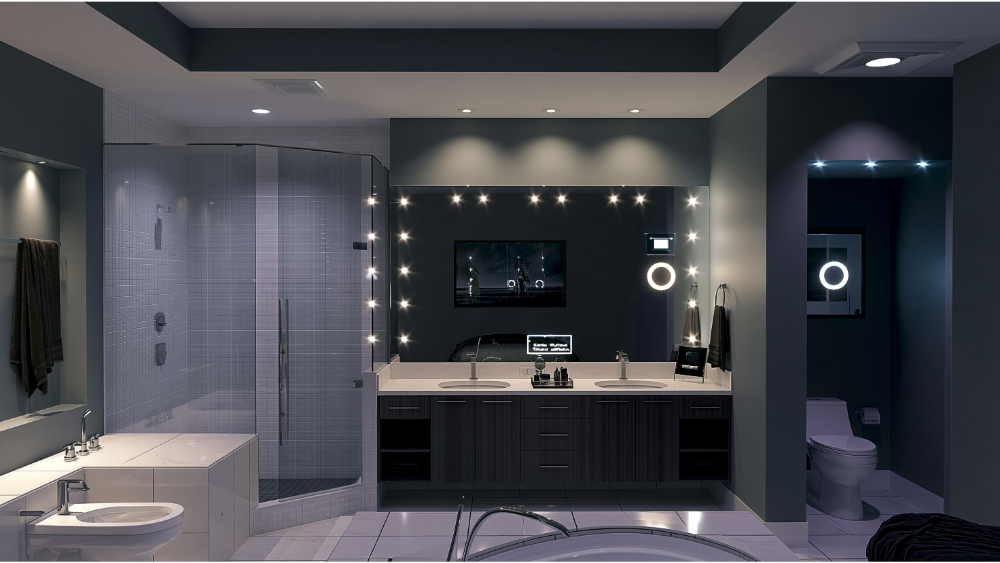
Lighting does more to change how a bathroom feels than almost any single finish. Layered lighting is the goal: ambient lighting overhead, bright task light at the vanity where you actually get ready, gentle light in the shower, and a soft accent or toe-kick glow for the middle of the night. Sconces flanking the mirror flatter the face better than a single ceiling fixture, and a recessed ceiling layout keeps the room clean overhead. LED fixtures deliver all of this while using up to 75% less energy than incandescent bulbs.
Smart technology earns its place when it serves real routines rather than novelty. A lighted or smart mirror combines flattering front-lighting with functions like weather or news at a glance, and a smart mirror with anti-fog heating stays clear after a hot shower. App-controlled lighting lets you set morning and evening scenes. A digital shower system holds a precise temperature so nobody gets a cold surprise, and it pairs naturally with a steam feature. Motion-sensor faucets and smart toilets with heated seats add genuine daily comfort. Night-friendly lighting also does double duty as an aging-in-place feature, keeping late trips from the bedroom safe without a harsh overhead glare.
Energy Efficient Fixtures and Water-Saving Choices (and What California Requires)
Energy efficient fixtures are a low-regret investment: they lower your utility bills for as long as you own the home and help you save money month after month. Low-flow bathroom fixtures like modern toilets can cut water use by 20% to 60% compared to older models, and water-saving showerheads reduce use by roughly 30% while still feeling good. A toilet with a dual-flush function pays that back quietly, year after year.
For Sacramento and California homeowners, this is where national advice meets local law. The 2025 CALGreen residential standards, in effect January 1, 2026, set firm limits:
- Water closets: 1.28 gallons per flush or less
- Single showerhead: 1.8 gpm at 80 psi or less
- Multiple showerheads on one valve: combined 1.8 gpm at 80 psi, unless only one outlet can run at a time
- Lavatory faucets: 1.2 gpm at 60 psi max, 0.8 gpm at 20 psi minimum
The EPA baseline showerhead is 2.5 gpm, so California is stricter than the national standard. That matters if you’re dreaming of an elaborate multi-outlet “spa” shower or a steam setup. Those systems have to respect these flow rules, and planning the fixtures and materials upfront avoids a costly redesign later.
Don’t Skip Ventilation and Moisture Control
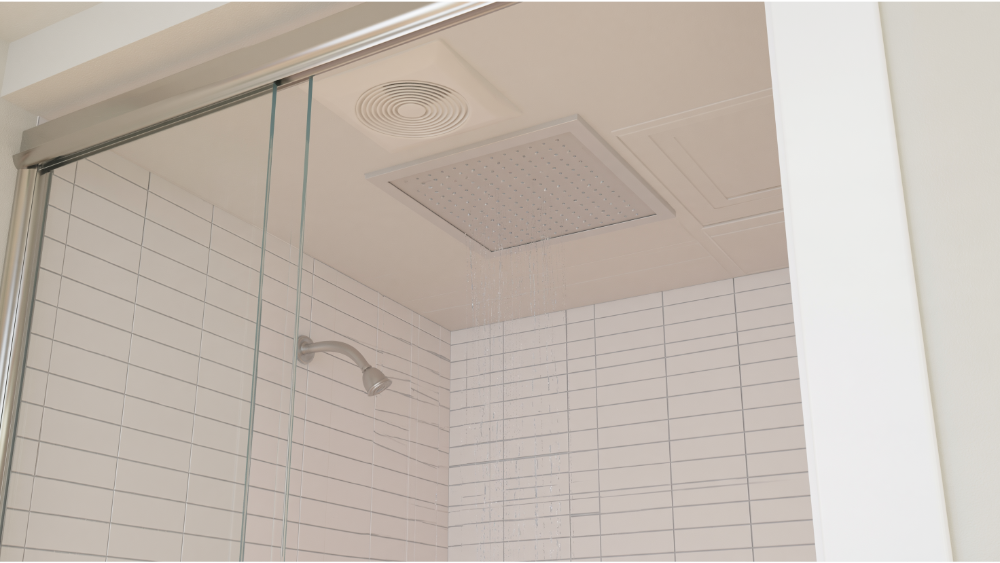
Ventilation is the most under-appreciated “worth it” investment in the whole room. The EPA is clear that exhaust fans must vent directly outdoors, never into an attic or another interior space, or you’re just moving moisture where it can rot framing and grow mold. EPA guidance also recommends drying wet or damp materials within 24 to 48 hours to prevent mold growth. This matters even more if you add a steam shower, which puts far more moisture into the air.
Good ventilation protects everything else you spent money on. So does the hidden craftsmanship: the shower pan, proper drainage, substrate prep, and sound wall and ceiling assemblies. That invisible work decides whether the visible beauty lasts. It’s also why 84% of homeowners hire professionals for bathroom renovations, and 45% specifically hire a general contractor. Waterproofing, electrical, and plumbing are not places to guess, and our in-house team means one accountable crew stands behind all of it.
Aging-in-Place Details That Still Look Beautiful
Planning for accessibility is mainstream now, not an afterthought. Houzz found 68% of renovating homeowners consider special needs, with many planning five or more years ahead. The most popular features are grab bars (61%), nonslip flooring (55%), low-curb showers (52%), added lighting (31%), and curbless showers (28%).
The trick is building these in elegantly, so the room looks like a luxury spa and not a clinic. Add solid blocking inside the walls now for future grab bars, even if you don’t install the bars yet. Choose a curbless entry, a handheld shower, comfort-height fixtures where they fit, nonslip flooring, and better light. NKBA planning guidance suggests roughly 30 inches of clear floor space in front of fixtures as a comfortable target (treat that as planning guidance, not local code). Designed in early, these details cost less and disappear into a beautiful room.
What’s Not Always Worth It
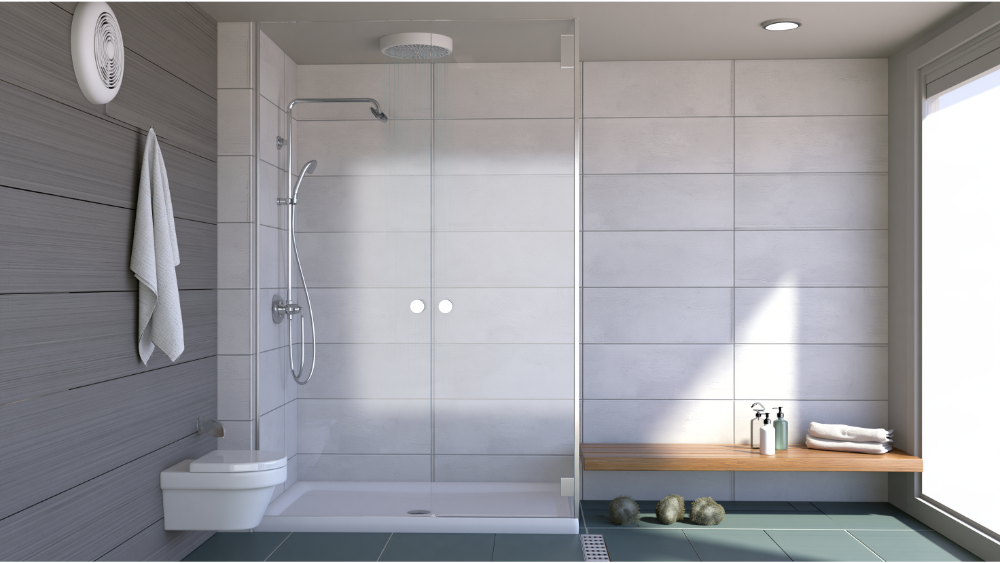
A few upgrades sound impressive but rarely repay the spend. An oversized soaking tub or a poorly placed freestanding tub often goes unused after the first month while eating floor space a bigger shower would put to better use. Ultra-trendy finishes can date fast, which hurts resale. Elaborate multi-outlet or steam shower systems can run afoul of California’s flow rules if they’re not planned around CALGreen. Moving plumbing without a strong layout reason adds serious cost for little return, since relocating lines drives labor costs up. And the worst trade of all is spending on visible finishes while cutting corners on waterproofing, ventilation, or permits. The pretty part fails first when the hidden part is skipped.
How Much Does a Bathroom Remodel Add to Your Home’s Worth?
Homeowners ask us how much value a bathroom upgrade really adds, and the honest answer is that it depends on the scope and the neighborhood. A well planned bathroom remodel with midrange finishes typically recovers around half its cost at resale while delivering the highest daily enjoyment of nearly any project. The right upgrades, done cleanly, can significantly increase your home’s worth when the fundamentals are right: a modern shower enclosure, a double vanity, durable materials, and clean permits. Push into ultra-luxury territory and the resale return per dollar shrinks, even though the room may feel spectacular. The upgrades that best hold lasting value are timeless rather than trendy, and they are the ones a future buyer can see are built to last. Potential buyers notice quality glass, solid stone, and clean tile long before they notice a trend.
For Sacramento Homeowners: Permits, Codes, and Contractor Trust
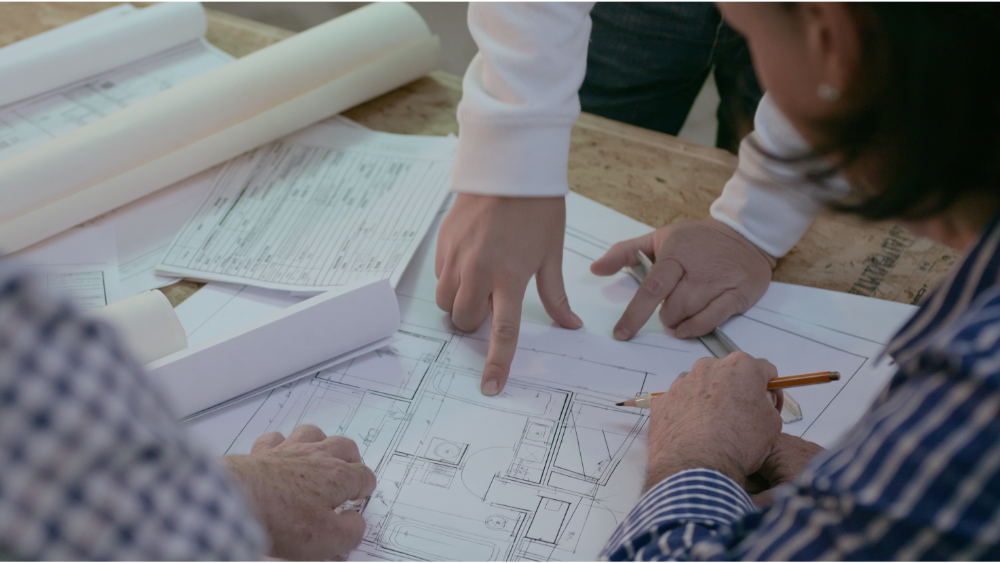
The City of Sacramento requires building permits for remodeling and for electrical, mechanical, and plumbing work, and starting before a permit is issued brings a penalty fee. Non-structural kitchen and bathroom remodels are handled as minor permits. The moment you add, move, remove, or alter a wall, window, or door, the project becomes structural and requires plan review through the city’s electronic plan check.
California also protects you at the contract level. The CSLB requires a written contract for any home improvement project over $500, and it must list the contractor’s name, business address, and license number. Your down payment is capped at $1,000 or 10% of the contract price, whichever is less. Contractor ads are required to show a license number, and you can verify any license before you sign. Ours is CA Contractor License #793440. As a family-owned company rooted here in Sacramento, with an in-house team and no third-party outsourcing, we guide you through the whole remodeling process, handling permits, code, and craftsmanship under one accountable roof, which is what makes a bathroom project genuinely worth the investment.
How to Prioritize Your Remodel
| If your priority is… | Focus your budget on… |
|---|---|
| The room feels cramped | Larger shower enclosure, double vanity, smart storage |
| The room feels dated | Tile, custom vanity, layered lighting, quartz counters, a good mirror |
| Aging in place | Low-curb shower, grab-bar blocking, nonslip flooring, better light |
| Resale and home value | Timeless finishes, updated shower, quality vanity, proper permits |
| Moisture concerns | Waterproofing, exhaust fan, drainage, substrate repair |
Frequently Asked Questions
What features add the most value to a master bathroom remodel?
Is a walk-in shower worth the investment?
Should I remove the bathtub from my master bathroom?
Do I need a permit for a bathroom remodel in Sacramento?
How much value does a bathroom remodel add to my home?
Ready to Plan Your Remodel?
Your vision plus the hidden craftsmanship that makes it last is what we do best. If you’re planning a master bathroom remodel anywhere in the Sacramento area, we’d love to walk through your ideas, show you materials and finishes in our showroom, and give you honest, upfront guidance. Schedule a Free* No-Obligation Estimate by calling (916) 277-8282 or emailing design@capitalconstruction.com. Family-owned, in-house, and proudly rooted in Sacramento. CA Contractor License #793440.