How Do Contractors Waterproof Bathrooms During Remodeling?
At Capital Construction, understanding how contractors waterproof bathrooms during remodeling is essential to delivering a bathroom remodel that performs as well as it looks. In every bathroom remodel, waterproofing is the foundation that determines whether a space will resist moisture or eventually suffer from mold, structural damage, and costly repairs. A properly executed bathroom renovation depends on systems hidden beneath the surface finishes, not just tile or grout. In Sacramento homes especially, where humidity shifts and older construction are common, proper waterproofing ensures long-term durability and protects every bathroom from hidden moisture intrusion.
What Waterproofing Really Means in a Bathroom Remodel
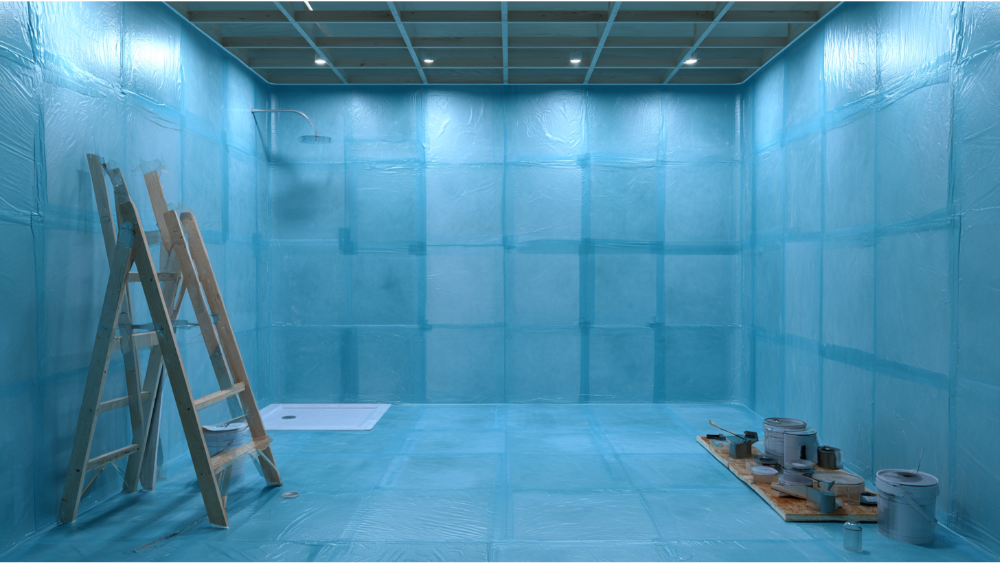
In a bathroom remodel, waterproofing is not defined by tile, paint, or grout lines. It is defined by the continuous protective systems installed beneath finished surfaces that prevent moisture from reaching structural materials. Proper waterproofing ensures that water in wet areas like showers, tub surrounds, and bathroom floor zones is safely directed into drainage systems instead of being absorbed into walls or subfloors. Without proper waterproofing, moisture can travel behind tile and create mold growth, wood rot, and structural damage over time.
True waterproofing in a bathroom remodel relies on a waterproof membrane that creates a continuous barrier across bathroom walls, floors, and all wet environments. Tile is only a decorative surface, not a protective system.
Why Proper Waterproofing Is Essential in Every Bathroom Remodel
Proper waterproofing is one of the most important parts of any bathroom remodel because bathrooms are constantly exposed to moisture. Steam, splashes, and condensation all contribute to excess moisture buildup that can penetrate unprotected surfaces. Without proper waterproofing, this moisture can lead to mold, mildew, and structural deterioration behind walls and under floors.
In many Sacramento bathroom remodel projects, older homes are especially vulnerable because previous bathroom renovation work often lacked modern waterproofing systems. Over time, this leads to hidden damage that requires costly repairs or full reconstruction. Proper waterproofing prevents these issues by protecting bathroom walls, floors, and wet areas from long-term exposure.
Proper ventilation is also critical. Exhaust fans help remove excess moisture and maintain balanced moisture levels in the bathroom, reducing the risk of mold growth and improving long-term air quality.
Core Waterproofing Systems Used in a Bathroom Remodel

Sheet Membrane Waterproofing Systems
Sheet membrane systems are one of the most reliable solutions used in modern bathroom remodel projects. A sheet membrane is installed over bathroom walls, floors, and shower areas to form a continuous waterproof barrier. This system is especially effective in walk-in showers where constant water exposure occurs. When installed correctly, sheet membrane systems provide strong long-term protection against water intrusion in wet environments.
Liquid Membrane Waterproofing Systems
Liquid membrane systems are applied like a coating and cure into a flexible waterproof layer. This method is often used in bathroom renovation projects where complex shapes or tight corners require additional coverage. Liquid membrane systems are commonly applied around seams, plumbing penetrations, and transitions where walls meet floors to ensure proper sealing throughout the bathroom remodel.
Cement Board and Modern Backer Systems
Cement board is still used in some bathroom remodel applications as a structural base behind tile. However, cement board is not waterproof on its own. It must be combined with a waterproof membrane to create proper protection. Many modern bathroom renovation projects now use advanced backer systems that integrate more efficiently with waterproofing layers for improved durability.
Step-by-Step Waterproofing Process in a Bathroom Remodel
Demolition and Inspection
Every bathroom remodel begins with demolition of old tile, vanities, sinks, and shower systems. During this phase, contractors inspect for moisture damage, mold, or structural issues hidden behind finished surfaces.
Framing and Substrate Preparation
After demolition, the contractor prepares the structure by ensuring bathroom walls and bathroom floor areas are level, stable, and ready for waterproofing installation. Proper preparation is essential for long-term performance and prevents movement that could compromise the system.
Installing the Waterproof Membrane
The waterproof membrane is the most critical component in a bathroom remodel. It is installed across all wet areas, including shower walls, bathroom floor surfaces, and tub surrounds. This continuous barrier ensures that moisture does not reach framing or subfloor materials. A properly installed waterproof membrane is the foundation of proper waterproofing in any bathroom renovation.
Shower Pan Construction
The shower pan is one of the most important components in a bathroom remodel. It must be carefully sloped so water flows directly into the drain without pooling or creating standing water. A waterproof membrane is integrated into or beneath the shower pan system to ensure complete protection in walk-in showers and other high-exposure wet areas.
Sealing Plumbing Penetrations and Transitions
All plumbing penetrations, including shower valves and fixtures, must be carefully sealed during a bathroom remodel. Corners, seams, and transitions where walls meet floors are also reinforced with waterproof membrane materials and sealants. Proper sealing ensures a watertight seal across all critical areas of the bathroom renovation.
Flood Testing for Quality Assurance
Before tile installation, many contractors perform flood testing to verify the integrity of the waterproofing system. This involves filling the shower area with water and monitoring it for leaks or moisture loss. Flood testing ensures proper waterproofing has been achieved before finishing materials are installed.
Tile Installation Over Waterproof Systems
Once waterproofing is verified, tile is installed as the finished surface. Tile is not waterproofing; it is a decorative layer. Grout lines are porous and still allow minimal moisture penetration, which is why the waterproof membrane underneath is essential. Natural stone tile requires additional care due to its higher moisture absorption.
Waterproofing in Showers, Floors, and Wet Areas
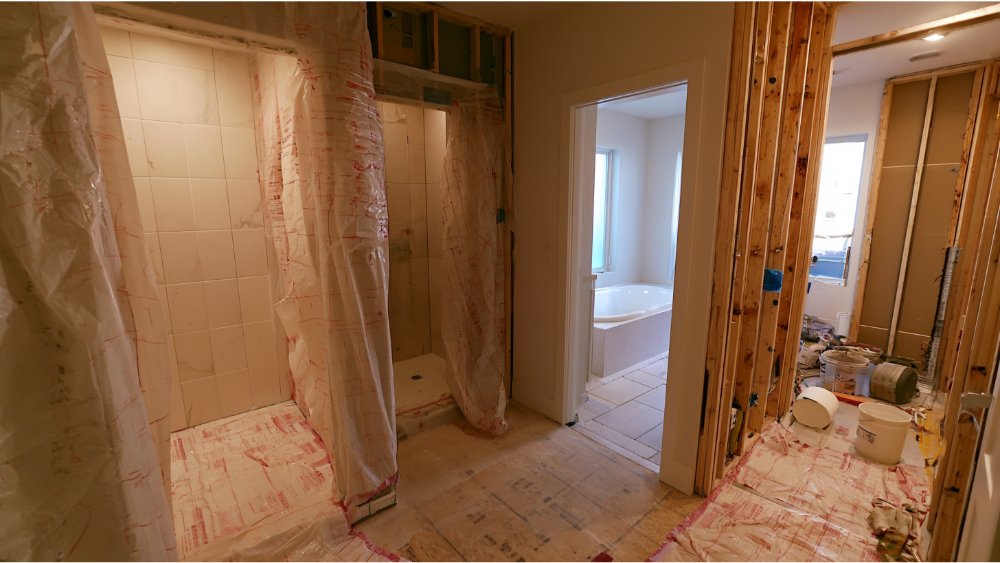
Walk-In Showers and Shower Walls
Walk-in showers require full waterproofing coverage across all shower walls and floors. These wet areas are exposed to constant water, making proper waterproofing essential for preventing mold, mildew, and structural damage. Every seam and corner is carefully sealed to maintain a continuous barrier.
Bathroom Floor Waterproofing
Bathroom floor protection is essential in any bathroom remodel. Moisture can travel through grout lines and reach subfloor materials if not properly protected. A waterproof membrane beneath the finished floor helps prevent water damage and protects the structural integrity of the home.
Tub Surrounds and Vanity Areas
Tub surrounds and vanity zones are also considered wet areas in a bathroom remodel. These spaces must be properly sealed to prevent moisture from reaching bathroom walls or cabinetry. Without proper waterproofing, vanities and surrounding materials can deteriorate over time.
Common Waterproofing Mistakes in a Bathroom Remodel
One of the most common mistakes in a bathroom remodel is relying on grout as a waterproofing system. Grout lines are not waterproof and will eventually allow moisture to pass through. Another issue is improper sealing at seams and corners, which creates weak points in the system.
Poor ventilation is another major problem. Without effective exhaust fans, excess moisture builds up in the bathroom, increasing the risk of mold and mildew growth. Cutting corners during installation can lead to structural damage and expensive repairs later.
Sacramento Bathroom Remodeling Considerations
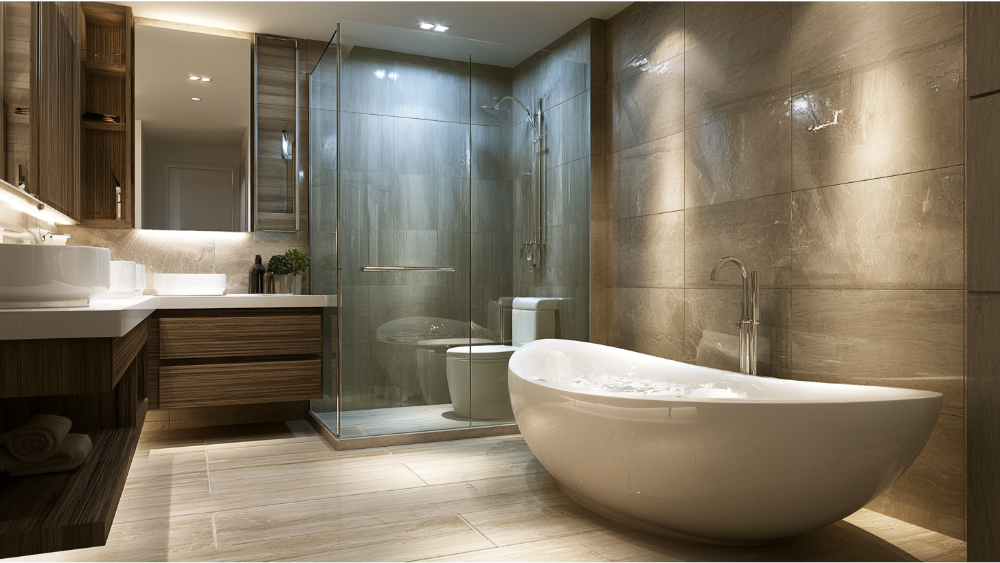
In Sacramento, bathroom remodel projects must account for older home construction and seasonal humidity changes. Many homes require updated waterproofing systems to replace outdated materials that no longer provide adequate protection. Proper waterproofing ensures long-term durability and prevents moisture-related issues from developing over time.
Cost and Value of Proper Waterproofing in a Bathroom Remodel
While waterproofing increases upfront costs in a bathroom remodel, it significantly reduces the risk of costly repairs in the future. Without proper waterproofing, homeowners may face mold remediation, structural damage, or full reconstruction.
Investing in high-quality waterproofing during a bathroom renovation ensures long-term durability, protects home value, and prevents water damage from spreading behind finished surfaces.
Why Professional Installation Matters
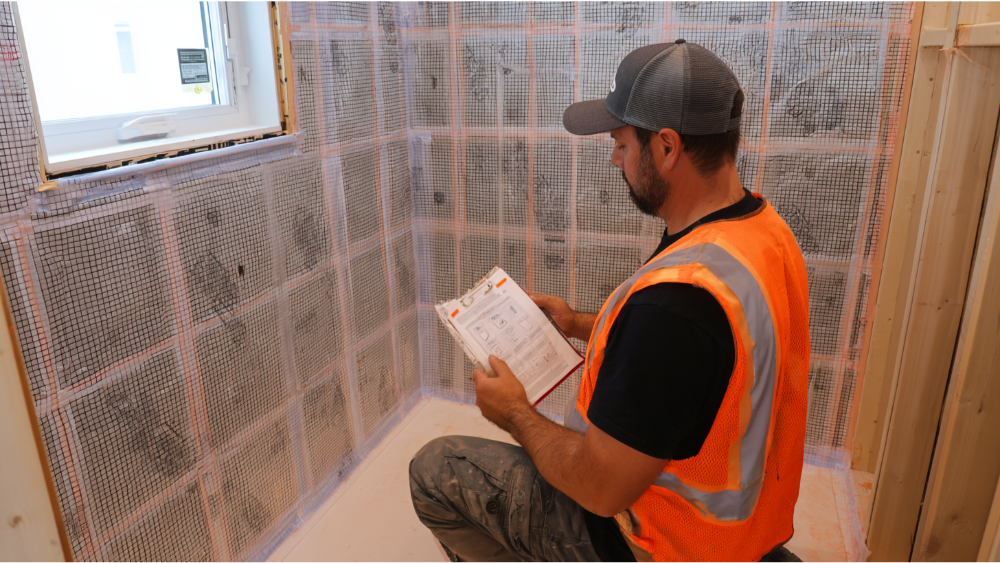
Proper waterproofing requires professional installation to ensure every layer of the system is correctly applied. A contractor must understand how waterproof membrane systems, drainage components, and sealing methods work together in a bathroom remodel.
When installed correctly, waterproofing creates a complete protective system that prevents water intrusion and protects the structure of the home. At Capital Construction, every bathroom remodel is built with careful attention to proper waterproofing, ensuring each bathroom remains durable, functional, and protected for years to come.
Frequently Asked Questions (FAQs)
How long does bathroom waterproofing typically last?
When done correctly using the right materials and professional installation, bathroom waterproofing can last 10 to 20 years. Regular maintenance and proper ventilation help extend its lifespan.
What areas of the bathroom require waterproofing during remodeling?
Critical areas include shower walls and floors, tub surrounds, bathroom floors, plumbing fixtures, and any seams or corners where water exposure is likely. Proper sealing around plumbing penetrations is also essential.
Can I rely on tile and grout alone to waterproof my bathroom?
No. Tiles and grout are not waterproof and allow moisture to penetrate over time. Effective bathroom waterproofing requires a continuous waterproof membrane beneath the tile and proper sealing of all wet areas.
Does waterproofing add significant cost to a bathroom remodel?
Waterproofing typically adds about 5-10% to the overall remodel cost. However, this investment prevents long-term damage and costly repairs, protecting your home and remodeling investment.
How important is ventilation in bathroom waterproofing?
Effective ventilation, including installing a high quality exhaust fan, is critical to reducing moisture buildup and preventing mold growth. Proper ventilation complements waterproofing systems to maintain a healthy bathroom environment.
What materials are best for bathroom waterproofing?
Using the right materials like sheet membranes, liquid waterproofing membranes, waterproof backer boards (such as Schluter® KERDI-BOARD), and silicone sealants ensures a durable and effective waterproofing system.
What is the role of tile work in bathroom waterproofing during remodeling?
Tile work is the visible finish in a bathroom remodel, but it is not waterproof on its own. Proper tile installation over a waterproof membrane ensures that water is directed away from structural materials. Skilled tile work includes using appropriate grout, sealants, and ensuring tiles are properly bonded to prevent moisture penetration, complementing the underlying waterproofing system.
Conclusion
Proper bathroom waterproofing during remodeling is a vital step that many homeowners overlook but is essential for creating a beautiful bathroom that lasts. By using the right materials, applying continuous waterproof membranes, sealing plumbing fixtures, and ensuring effective ventilation, contractors prevent long-term damage and mold growth. Although waterproofing adds to the initial home remodeling cost, it safeguards your investment by extending the life of your new bathroom and maintaining its functionality and appearance. Thoughtful planning and professional installation make all the difference in delivering full bathrooms that remain durable, safe, and beautiful for years to come.