What Bathroom Layout Changes Make the Biggest Difference in Daily Use?
Why Bathroom Layout Matters More Than Finishes in a Bathroom Renovation
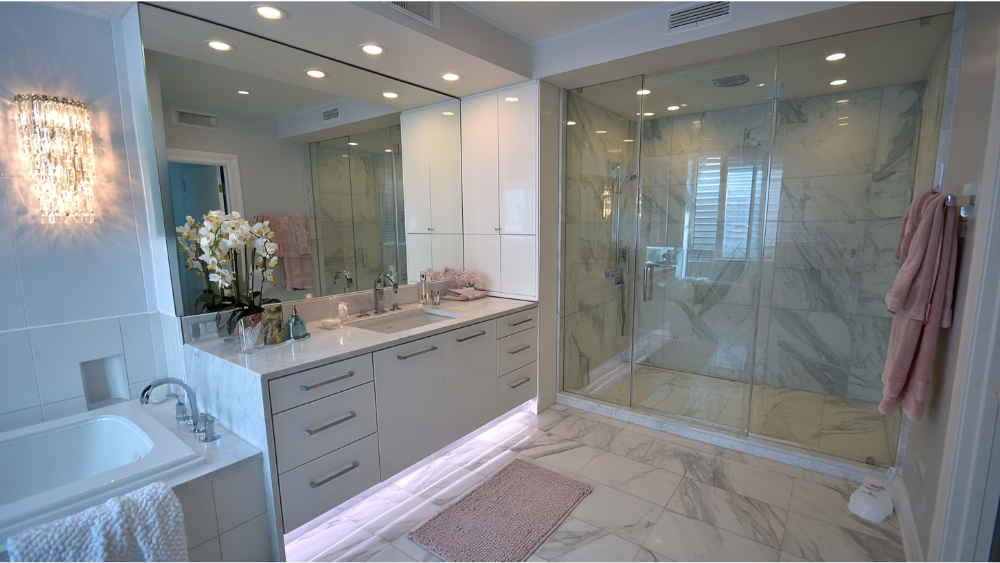
What bathroom layout changes make the biggest difference in daily use is a question that comes up in nearly every bathroom renovation, especially in older Sacramento homes where space, flow, and functionality often fall short of modern expectations. While finishes like tile, countertops, fixtures, and decor influence style, it is the bathroom design and layout that determines how comfortable, efficient, and functional the bathroom feels every single day.
A poorly planned bathroom layout can make even a large bathroom feel cramped, while a smart bathroom design can completely change how a small bathroom functions. When layout is prioritized correctly, the bathroom feel improves instantly, storage becomes more usable, lighting becomes more effective, and movement through the space feels natural. This is why Capital Construction approaches every bathroom renovation by first rethinking layout, flow, and functionality before selecting materials or finishes.
In Sacramento bathroom remodeling projects, the most noticeable improvements come from layout changes that improve space usage, optimize fixtures, and enhance daily routine efficiency. These updates can completely transform a bathroom into a modern bathroom that feels larger, brighter, and more practical.
The Core Principles of an Efficient Bathroom Layout
Function First Bathroom Design Approach
A successful bathroom design always begins with functionality. A modern bathroom must support daily routine needs with smart placement of sinks, toilet, shower, vanity, and storage. When function leads the design, the bathroom becomes more practical and easier to use.
Zoning for Wet and Dry Bathroom Spaces
One of the most important bathroom layout strategies is separating wet zones like the shower and tub from dry zones such as the vanity and storage areas. This improves safety, organization, and overall bathroom feel, especially in a small bathroom where every inch of space matters.
Space, Flow, and Clearance in Bathroom Layout
Clearance is one of the most overlooked aspects of bathroom design. Proper spacing between fixtures, walls, and doors ensures that the bathroom feels open and usable. Without it, even a well finished bathroom can feel tight and inefficient.
Walk-In Showers and Freestanding Tubs That Redefine Bathroom Design
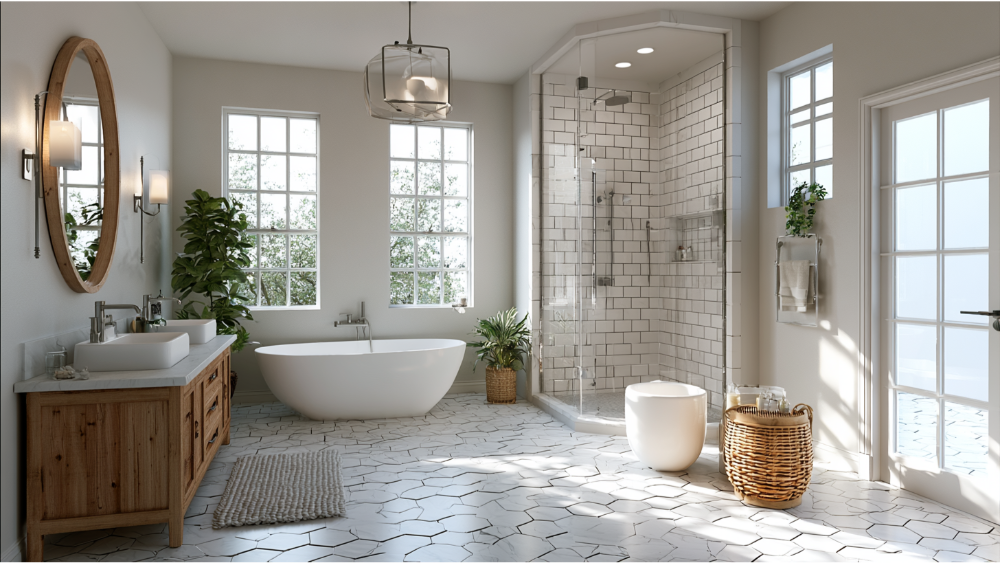
Why Tub Shower Combos Limit Modern Bathroom Layout
A traditional tub shower combination often restricts movement and reduces usable space in a bathroom renovation. It also creates visual barriers that make the bathroom feel smaller and more closed in.
Walk-In Shower Layouts That Completely Transform Bathroom Space
A walk-in shower can completely change bathroom layout efficiency. It opens up floor space, improves flow, and creates a modern bathroom aesthetic. Large glass shower walls and natural materials help create a spa-like feel while improving visibility and light distribution throughout the bathroom.
Freestanding Tub Placement for Luxury Bathroom Design
A freestanding tub is a strong focal point in bathroom design and is often used in master bathroom layouts to create a luxury spa atmosphere. It enhances relaxation and adds timeless appeal while improving overall bathroom aesthetics. Many homeowners choose to combine a freestanding tub with a walk-in shower to balance comfort and practicality.
Improving Bathroom Layout Flow for Daily Routine Efficiency
Entry Flow and Door Placement in Bathroom Layout
Bathroom doors can significantly impact usable space. Poorly placed doors reduce movement and create awkward layouts. Pocket doors are often used in small bathroom remodels to improve flow and maximize usable space.
Fixture Placement and Functional Bathroom Design
Proper placement of sinks, toilet, shower, and vanity is essential for a functional bathroom. When fixtures are too close, the bathroom feels cramped. When properly spaced, the bathroom becomes easier to navigate and more comfortable for daily routine use.
Real World Challenges in Older Bathroom Layouts
Many Sacramento homes were built with outdated bathroom design standards. These layouts often lack storage, have inefficient wall placement, and do not support modern bathroom functionality. A bathroom renovation solves these issues by reworking layout completely.
Double Vanities, Floating Vanities, and Vanity Layout Improvements
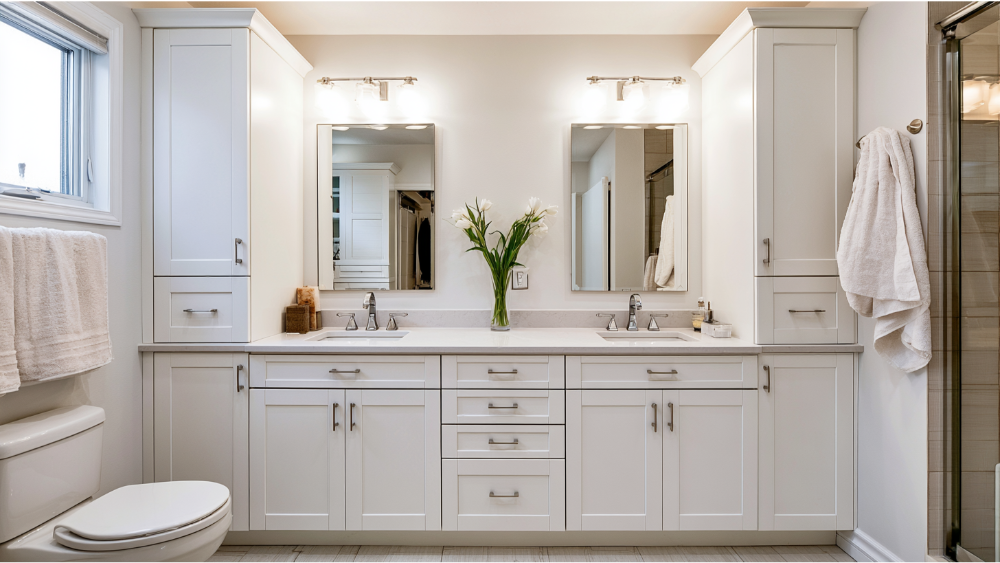
Double Vanities That Improve Bathroom Functionality
Double vanities are one of the most impactful upgrades in bathroom design. They reduce congestion during busy mornings and improve overall flow in master bathroom spaces. They also enhance organization and storage.
Floating Vanities That Create an Open Bathroom Feel
Floating vanities create a modern bathroom aesthetic by opening up floor space and reducing visual weight. Floating vanities create a cleaner look and improve the perception of space in a small bathroom. They also support better lighting distribution around the vanity area.
Vanity Storage, Cabinets, and Organization
Bathroom storage is a key part of layout planning. Open shelving, medicine cabinets, and hidden storage solutions help reduce clutter and improve functionality. Proper vanity design ensures countertops stay organized and practical for daily use.
Toilet Placement and Privacy in Bathroom Layout Design
Improving Bathroom Function with Better Toilet Placement
Toilet placement plays a major role in bathroom layout efficiency. Poor placement reduces privacy and disrupts flow. Proper placement improves usability and makes the bathroom more comfortable for shared use.
Powder Room and Small Bathroom Layout Optimization
A powder room requires highly efficient bathroom design due to limited square footage. Smart layout planning ensures that even a small bathroom feels functional and practical without sacrificing comfort or style.
Storage Solutions That Improve Bathroom Layout Efficiency
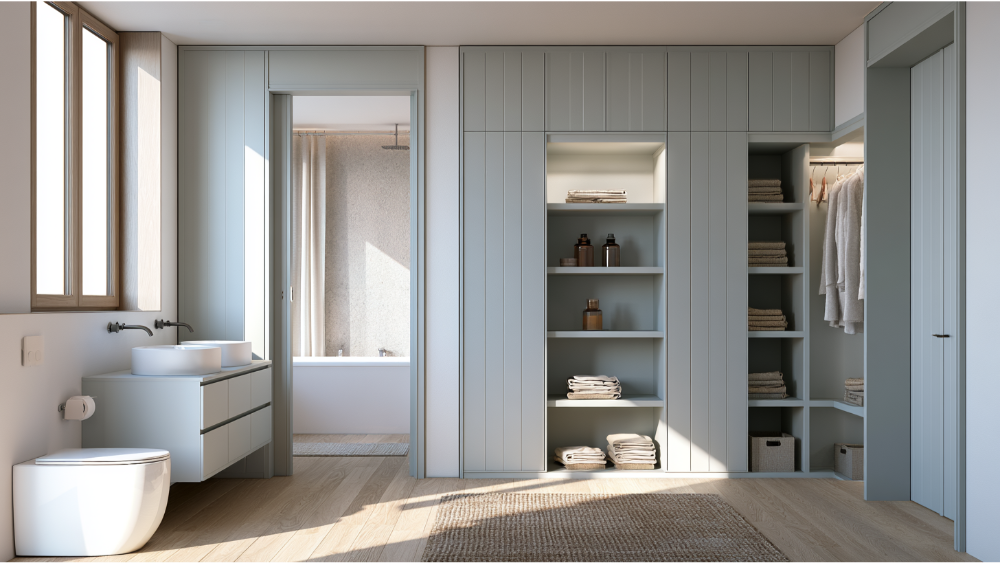
Built-In Storage for Better Bathroom Organization
Built-in storage improves bathroom layout by using wall space efficiently. Recessed shelving, niches, and cabinetry help reduce clutter and improve functionality.
Open Shelving and Modern Bathroom Style
Open shelving is commonly used in modern bathroom design to combine storage with decor. It improves accessibility while enhancing visual appeal.
Medicine Cabinets and Hidden Storage Features
Medicine cabinets provide discreet storage that keeps countertops clear and improves organization. This helps maintain a clean and functional bathroom feel.
Lighting, Mirrors, and Bathroom Design Enhancements
Functional Lighting for Better Bathroom Usability
Lighting is a critical part of bathroom design. Functional lighting improves visibility at sinks, vanity areas, and shower spaces, making the bathroom safer and more efficient.
Backlit Mirrors and Large Mirrors in Bathroom Layout
Backlit mirrors improve lighting distribution and add a modern bathroom luxury feel. Large mirrors expand visual space and improve brightness, making the bathroom feel larger and more open.
Lighting Zones for Better Bathroom Flow
Layered lighting improves bathroom functionality by creating separate zones for task lighting, ambient lighting, and accent lighting. This improves both usability and style.
Shower and Tub Design in Modern Bathroom Layouts
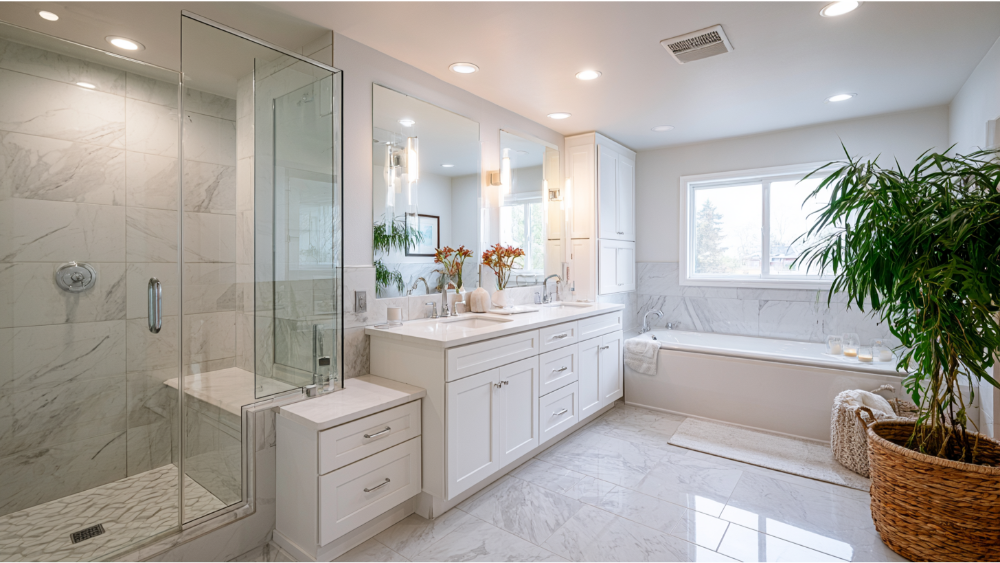
Shower Layouts That Maximize Space
A shower is often the focal point of modern bathroom design. Proper placement improves flow and enhances functionality. Glass shower walls increase openness and improve visibility.
Freestanding Tub as a Luxury Bathroom Feature
A freestanding tub enhances luxury appeal and creates a spa-like feel in master bathroom layouts. It serves as both a functional and aesthetic focal point.
Balancing Tub and Shower for Family Needs
Many homeowners choose to include both a tub and shower to support family needs. This improves practicality while maintaining modern bathroom design standards.
Materials, Fixtures, and Modern Bathroom Style Enhancements
Tile, Countertops, and Natural Materials in Bathroom Design
Tile and natural materials play a major role in bathroom aesthetics. Large format tiles reduce visual clutter and improve flow. Natural materials enhance warmth and spa-like feel.
Accent Walls and Focal Points in Bathroom Layout
An accent wall behind a vanity or tub creates a strong focal point in bathroom design. It adds visual interest and enhances modern bathroom style.
Fixtures, Matte Black Finishes, and Cabinet Hardware
Modern fixtures and matte black finishes contribute to a clean, modern bathroom aesthetic. Cabinet hardware and fixture choices support both durability and style.
Small Bathroom Layout Optimization Strategies
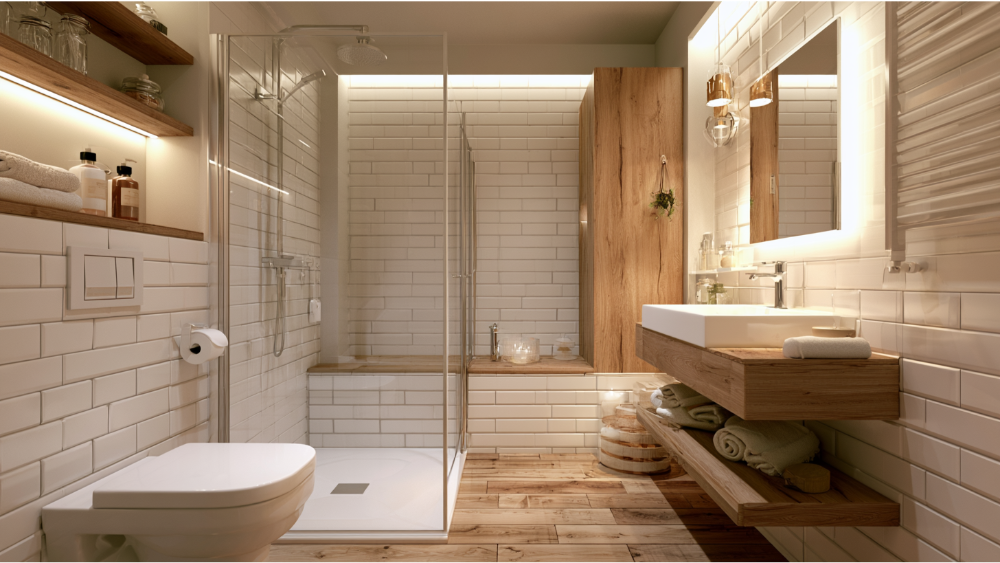
Maximizing Space in a Small Bathroom
A small bathroom requires precise layout planning to maximize every square foot. Proper spacing and fixture placement improve usability and comfort.
Pocket Doors for Space Saving Bathroom Design
Pocket doors improve layout efficiency in a small bathroom by eliminating door swing interference and increasing usable space.
Creating the Illusion of Space in Bathroom Design
Glass shower walls, floating vanities, and large mirrors make a small bathroom feel larger and more open while improving functionality.
Comfort Features That Improve Bathroom Experience
Heated Floors for Luxury Bathroom Comfort
Heated floors add comfort and luxury to a bathroom renovation while improving overall experience during colder months.
Flooring Choices for Durability and Style
Bathroom flooring must be durable, water resistant, and visually appealing. The right flooring supports long term functionality.
Proper Ventilation for Bathroom Longevity
Proper ventilation is essential for moisture control and long term bathroom durability, preventing damage and maintaining air quality.
Frequently Asked Questions
What bathroom layout changes make the biggest difference in daily use?
The most impactful changes include increasing clearance around fixtures to at least 30 inches, switching from tub-shower combos to walk-in showers, adding double vanities for shared bathrooms, and optimizing storage with built-in niches and medicine cabinets. Proper door placement, such as pocket doors, also enhances flow and usability.
How does existing plumbing location affect bathroom layout changes?
Existing plumbing locations significantly influence layout options because relocating plumbing can be costly and complex. Working within current plumbing setups often saves money and time, allowing budget to be allocated toward finishes and fixtures that enhance your dream bathroom.
Are freestanding tubs practical for everyday use?
Freestanding tubs offer luxury and aesthetic appeal but require ample space and plumbing adjustments. They are ideal for homeowners who regularly enjoy baths. Otherwise, converting to a spacious walk-in shower may provide better daily functionality and improve resale value.
What are common mistakes to avoid when redesigning bathroom layouts?
Common mistakes include inadequate clearance between fixtures, overcrowding the space with too many features, ignoring storage needs, and neglecting lighting design. Avoiding these ensures a functional, comfortable bathroom that meets daily routine demands.
How can lighting improve bathroom layout and usability?
Layered lighting, including ambient, task, and accent lighting, eliminates shadows and enhances visibility. Features like backlit mirrors and dimmer switches add both function and atmosphere, supporting daily grooming tasks and creating a spa-like environment.
What are the latest trends in bathroom design to consider?
Current trends emphasize biophilic design with natural materials like wood and stone, sage green color palettes, floating vanities for an open feel, integrated LED lighting, and eco-friendly fixtures. Incorporating these can modernize your bathroom while boosting both comfort and resale value.
How do storage solutions impact bathroom functionality?
Efficient storage, including built-in niches, recessed medicine cabinets, and vertical shelving, reduces clutter and improves accessibility. Thoughtful storage planning complements the layout, making daily routines smoother and the space more organized.
Conclusion
Making thoughtful bathroom layout changes delivers the biggest difference in daily use by enhancing comfort, flow, and functionality. Prioritizing fixture placement, clearance, and storage maximizes space efficiency, while integrating modern style elements such as floating vanities and layered lighting elevates both aesthetics and usability. Considering existing plumbing locations helps manage renovation costs and ensures practical design choices. Incorporating the latest trends like biophilic design and sage green accents can create your dream bathroom—a space that harmonizes beauty, comfort, and long-term value. With careful planning and attention to detail, your bathroom remodel will transform daily routines and add meaningful resale value to your home.