Kitchen Renovation Planning Guide for Sacramento Homeowners
Planning a kitchen remodel can feel overwhelming at first, especially when homeowners are trying to balance design goals, functionality, timelines, and budget expectations. A successful kitchen remodel starts with a clear plan that helps homeowners avoid costly mistakes and create a finished kitchen that supports their daily life for years to come.
This kitchen renovation planning guide is designed to help Sacramento homeowners understand every stage of the renovation process, from the first design meeting to the final touches. Whether you are planning a simple update or larger projects involving structural changes, custom cabinetry, and new appliances, understanding the process early can reduce stress and help you build your dream kitchen with confidence.
At Capital Construction, our team specializes in kitchen renovations throughout Sacramento and surrounding communities. As a trusted general contractor, we help homeowners navigate every step of the design process while delivering craftsmanship, communication, and results that reflect each family’s goals.
Start With Clear Kitchen Renovation Goals

Every successful kitchen remodel project begins with understanding what is not working in the current kitchen. Some kitchens feel cramped because they lack enough space for storage, cooking, or entertaining. Others suffer from outdated cabinets, worn flooring, poor traffic flow, or limited countertop space.
Before work begins, homeowners should identify their priorities and think carefully about how they use the space each day. Your cooking habits, family size, entertaining needs, and daily routine all influence the right kitchen layout for your home.
Many homeowners start kitchen renovations because they want better lighting, more countertop space, additional storage needs, durable surfaces, improved traffic flow, and updated kitchen appliances. Creating a clear plan early in the renovation process helps simplify decision making later. Without a defined direction, kitchen renovations can quickly feel overwhelming.
A kitchen designer can also help homeowners evaluate the existing kitchen and recommend layout improvements that maximize space while balancing aesthetics and functionality.
Decide Between a Cosmetic Update or Full Remodel
Some kitchen renovations focus mainly on surface upgrades like new flooring, cabinet hardware, paint, and countertops. Other projects involve structural changes such as removing walls, relocating plumbing fixtures, or expanding the kitchen into adjacent rooms.
Cosmetic kitchen renovations may include repainting kitchen cabinets, replacing cabinet hardware, installing new flooring, upgrading lighting, replacing countertops, and adding backsplash tile.
Larger projects often include removing walls, relocating appliances, installing custom cabinetry, expanding the kitchen footprint, reconfiguring the kitchen layout, updating plumbing fixtures, and installing smart appliances.
Understanding the project scope helps homeowners establish a realistic budget and avoid unnecessary stress once construction begins.
Set a Realistic Kitchen Remodeling Budget
One of the most important parts of any kitchen remodel is creating a realistic budget before work begins. Kitchen renovations involve many moving parts, and labor costs, material selections, and structural changes all impact total cost.
A remodeling budget should account for cabinets, flooring, countertops, appliances, lighting, plumbing fixtures, electrical work, labor costs, building permits, and unexpected repairs.
Without proper planning, unexpected expenses can quickly increase costs during the renovation process.
Average Kitchen Remodel Costs in 2026
Kitchen renovations vary significantly based on size, material quality, and project complexity.
In 2026, many homeowners fall into these general categories:
Small kitchen remodel, $15,000 to $30,000.
Mid-range kitchen remodel, $35,000 to $70,000.
Luxury kitchen renovations, $80,000 and above.
Larger projects involving structural changes, custom cabinetry, premium appliances, or removing walls generally require higher budgets.
Include a Contingency Fund
Unexpected things can happen during demolition, especially in older Sacramento homes. Hidden water damage, outdated electrical wiring, or plumbing problems often lead to unexpected repairs.
Setting aside an additional contingency fund helps homeowners reduce stress and avoid unnecessary stress during construction.
A realistic budget should include approximately 10% to 20% for unexpected expenses.
Ways to Save Money During a Kitchen Remodel
Homeowners can save money without sacrificing quality by making smart planning decisions early.
Ways to save money may include keeping plumbing fixtures in the same location, refinishing cabinets instead of replacing them, choosing durable surfaces with lower maintenance, avoiding unnecessary structural changes, finalizing selections before work begins, and selecting materials with shorter lead times.
Proper planning helps homeowners balance durability, style, and long-term value.
Understand Sacramento Permit Requirements and Local Building Codes
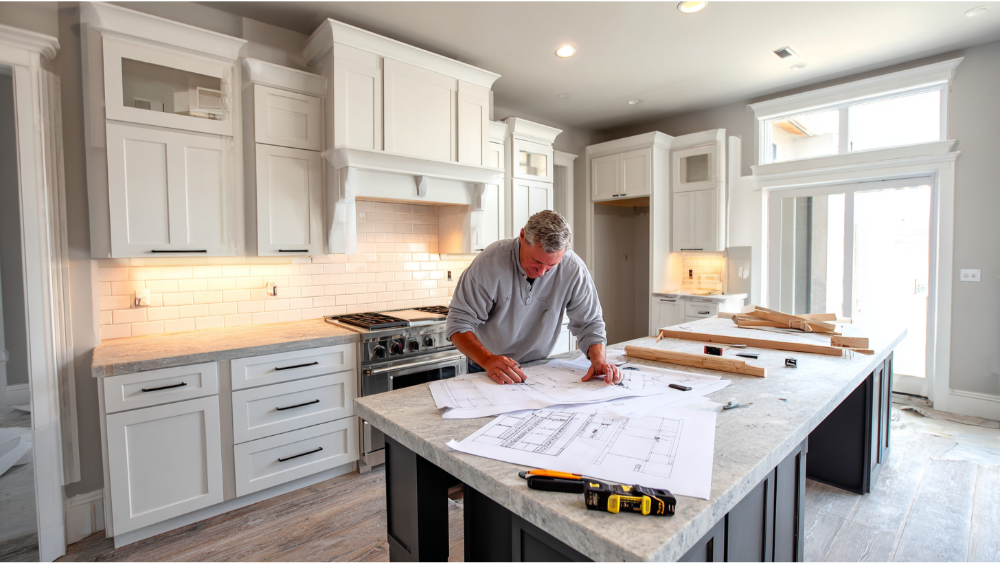
Many kitchen renovations require building permits depending on the type of work being completed. Structural changes, plumbing updates, electrical work, and appliance installations often require city approval.
Working with a licensed general contractor helps ensure projects comply with local building codes and current safety standards.
When Building Permits Are Required
Building permits are commonly required for structural changes, removing walls, electrical upgrades, plumbing fixture relocation, HVAC modifications, and gas line installation.
A professional contractor helps coordinate inspections and ensure all work meets Sacramento requirements.
Why Permits Matter
Permits protect homeowners by ensuring the finished kitchen complies with safety standards and building requirements. They also help prevent costly mistakes that may impact resale value later.
At Capital Construction, our team helps homeowners manage permits, scheduling, inspections, and project coordination from start to finish.
Plan the Right Kitchen Layout
One of the most important parts of kitchen design is choosing the right kitchen layout. A beautiful new kitchen still needs to function efficiently for cooking, cleaning, entertaining, and daily routine activities.
The right kitchen layout improves workflow, storage, and comfort while helping the space feel open and organized.
Popular Kitchen Layout Styles
Different kitchen layout styles work better depending on available space and household needs.
Galley Kitchens
Galley kitchens use two parallel walls with cabinetry and appliances on each side. These layouts work well in smaller homes because they maximize efficiency while minimizing wasted space.
Parallel walls create a streamlined workflow between prep, cooking, and cleaning zones.
U-Shaped Kitchens
U-shaped kitchens typically use three walls to provide extensive storage and countertop space. This layout works well for families who need additional cabinets and organization.
L-Shaped Kitchens
L-shaped kitchens create an open feel while improving traffic flow and flexibility. Many homeowners choose this layout when creating an open concept kitchen.
Kitchens With Islands
Kitchen islands remain highly popular because they add extra countertop space, seating, storage, better workflow, and additional prep areas.
An island can also help maximize space in larger kitchens while creating a natural gathering area.
Prioritize Functionality and Workflow
Kitchen design should support the way homeowners actually use the space.
Important planning considerations include cooking habits, appliance placement, storage needs, traffic flow, countertop space, seating, lighting, workflow between stations, and enough space for movement.
A poorly planned kitchen layout can make even a large kitchen feel cramped.
Choose Materials, Cabinets, and Flooring Carefully
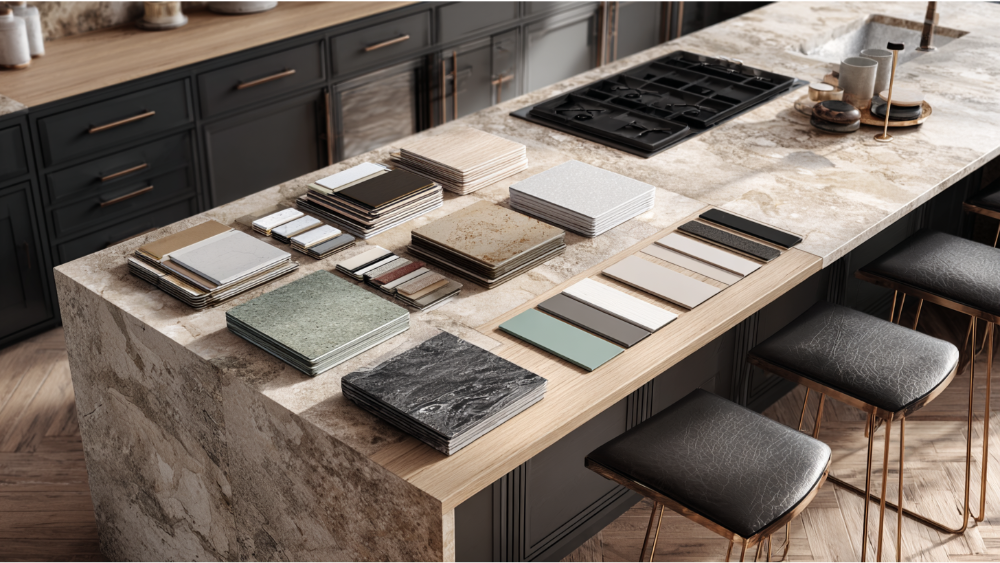
Material selection plays a major role in both appearance and long-term durability. Homeowners should select materials that fit their lifestyle, maintenance preferences, and remodeling budget.
Kitchen Cabinets and Custom Cabinetry
Cabinets are often the centerpiece of a kitchen remodel. Kitchen cabinets affect storage, organization, and overall visual style.
Popular cabinet styles in 2026 include shaker cabinets, flat-panel cabinets, natural wood cabinets, warm painted finishes, and custom cabinetry with built-in storage.
Custom cabinetry allows homeowners to create personalized storage solutions that fit their exact needs.
Many kitchen renovations now include deep drawers, pull-out shelves, pantry storage, hidden appliance storage, and built-in organizers.
Cabinet hardware also plays an important role in the final appearance of the space.
Flooring Options for Kitchen Renovations
Flooring selection should balance durability, appearance, and maintenance requirements.
Popular flooring choices include luxury vinyl plank flooring, porcelain tile flooring, engineered hardwood flooring, and waterproof laminate flooring.
New flooring can completely transform the appearance of a kitchen while improving durability and comfort.
Countertops and Durable Surfaces
Quartz countertops remain one of the most requested upgrades because they combine durability with low maintenance.
Other popular materials include granite, quartzite, butcher block, and marble accents.
Homeowners should balance durability with style when choosing countertop materials.
Select Materials Early
One of the best ways to keep a kitchen remodel timeline on track is to select materials early in the design phase.
Cabinets, flooring, countertops, and appliances may have long lead times depending on product availability. Delays in material selection can slow the entire project schedule.
Plan for Appliances and Smart Features
Modern kitchen renovations often include upgraded kitchen appliances designed to improve convenience and energy efficiency.
Appliances influence cabinet dimensions, electrical requirements, plumbing connections, ventilation, workflow, and overall kitchen design.
Choosing appliances before construction begins helps avoid installation problems later.
Popular Appliance Trends in 2026
Many homeowners now prioritize smart appliances, energy-efficient refrigerators, induction cooktops, built-in ovens, touchless faucets, and advanced ventilation systems.
New appliances can improve convenience while supporting modern kitchen design goals.
Understand the Kitchen Remodel Timeline
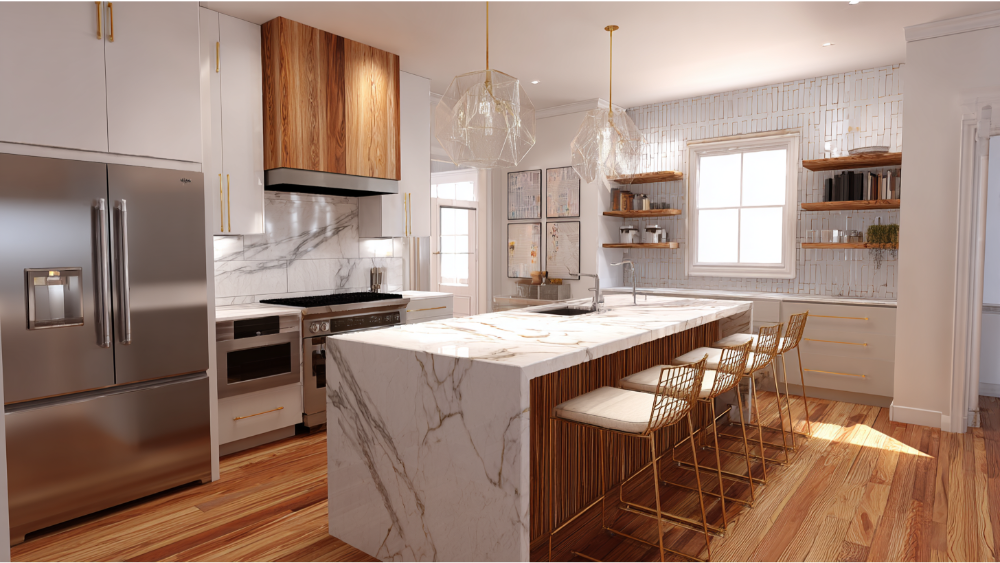
A realistic kitchen remodel timeline helps homeowners prepare for temporary disruptions during construction.
The typical kitchen renovation involves several stages, each requiring careful coordination.
Design Phase
The design phase includes measurements, layout planning, material selection, budget discussions, appliance planning, and permit preparation.
This phase helps homeowners finalize the overall vision before construction starts.
Demolition and Structural Work
Once permits are approved, demolition begins. Contractors may remove cabinets, flooring, appliances, drywall, or walls depending on project scope.
Projects involving removing walls or structural changes often require additional inspections and engineering review.
Mechanical Work and Drywall
After demolition, contractors complete plumbing, electrical, and HVAC updates. Once inspections are approved, crews install drywall and prepare surfaces for finishing work.
Installation and Final Touches
Installation phases often include cabinets, flooring, countertops, plumbing fixtures, lighting, appliances, paint, tile work, and final touches.
The final touches bring the new kitchen together and prepare the space for final inspection.
Common Causes of Delays
Kitchen remodel timeline delays often result from material shortages, long lead times, permit delays, change orders, unexpected repairs, and structural discoveries.
Planning ahead helps reduce stress and improve overall efficiency.
Prepare Your Home for Construction
Kitchen renovations temporarily disrupt daily routine activities, especially during demolition and installation phases.
Preparing ahead of time can make the process much easier for families.
Set Up a Temporary Kitchen
Homeowners should set up a temporary cooking area before work begins.
A temporary kitchen may include a mini fridge, microwave, coffee maker, portable cooktop, disposable plates, and basic utensils.
Setting up a temporary kitchen helps maintain some normalcy throughout the renovation process.
Protect Adjacent Spaces
Contractors often use protective barriers and floor coverings to contain dust and debris during construction.
Families with children or pets may need additional planning to maintain safety and comfort during the project.
Choose the Right General Contractor
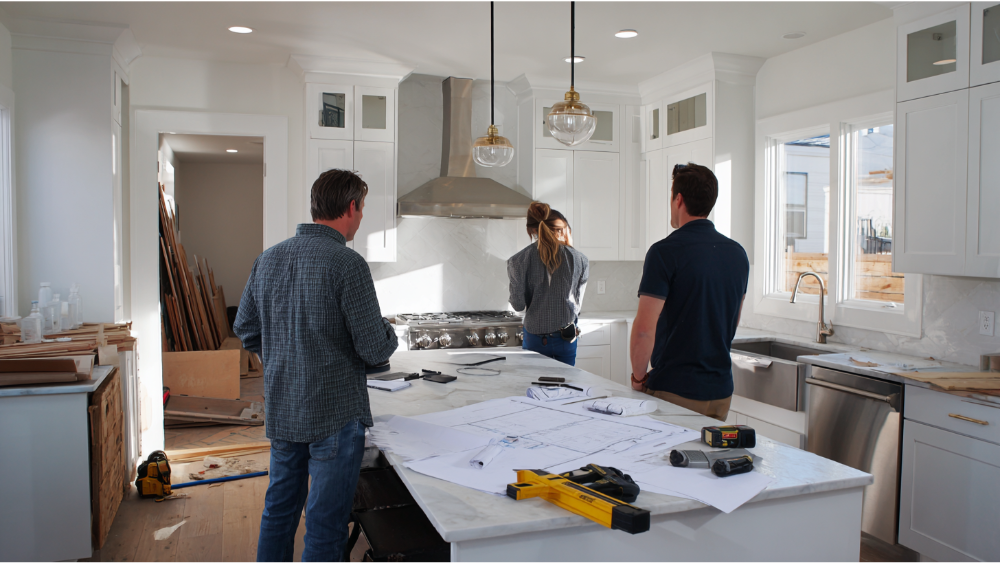
Hiring the right general contractor is one of the most important decisions homeowners make during a kitchen remodel project.
An experienced general contractor helps manage scheduling, permits, communication, labor coordination, material ordering, inspections, and quality control.
Questions to Ask Before Hiring a Contractor
Before selecting a contractor, homeowners should ask if the company is licensed and insured, whether they specialize in kitchen renovations, who supervises the project daily, how communication is handled, what warranties are provided, and whether recent projects are available for review.
Red Flags to Avoid
Homeowners should be cautious of extremely low bids, poor communication, lack of written agreements, limited project experience, and unrealistic timelines.
Working with a qualified contractor helps homeowners avoid costly mistakes while improving the overall renovation experience.
Frequently Asked Questions About Kitchen Renovations
How long does a kitchen remodel usually take?
A kitchen remodel timeline depends on project size, permitting, and material availability. Many full kitchen renovations take several months from design phase to completion.
What is the first step in a kitchen renovation planning guide?
The first step is evaluating the current kitchen and identifying goals, functionality issues, and budget expectations.
How can homeowners reduce stress during kitchen renovations?
Creating a clear plan, finalizing selections early, and setting up a temporary kitchen can significantly reduce stress during construction.
Should I replace cabinets during a kitchen remodel?
Many homeowners replace cabinets to improve storage, organization, and appearance. However, refinishing cabinets may be appropriate for some projects.
Do kitchen renovations require permits?
Projects involving structural changes, plumbing fixtures, electrical systems, or walls typically require building permits.
How do I choose the right kitchen layout?
The right layout depends on household size, cooking habits, traffic flow, storage needs, and available space.
Final Thoughts on Planning Your Dream Kitchen
A successful kitchen remodel requires thoughtful planning, realistic expectations, and careful coordination from start to finish. Kitchen renovations involve many decisions, but homeowners who take time to plan carefully often enjoy smoother projects and better long-term results.
Whether you are upgrading flooring, replacing cabinets, installing new appliances, or planning a complete kitchen remodel project involving structural changes, preparation is the key to success.
At Capital Construction, we help Sacramento homeowners navigate every step by step guide of the renovation process, from kitchen design and material selection to permits, construction, and final touches. Our team focuses on craftsmanship, communication, and creating beautiful kitchens that support your lifestyle and daily life for years to come.
If you are ready to start planning your dream kitchen, our team is here to help you build a beautiful new kitchen that balances style, functionality, and lasting value.