How Can Homeowners Make Kitchens More Functional During Remodeling?
A beautiful kitchen is something every homeowner wants, but a truly functional kitchen is what makes daily life easier. Many homeowners begin a kitchen remodel focused on style, only to realize that layout, storage, and lighting are what truly define how the space performs. If you are asking how can homeowners make kitchens more functional during remodeling, the answer comes down to thoughtful design, efficient planning, and smart upgrades that support cooking, meal preparation, and family gatherings. At Capital Construction, we approach every kitchen remodel with functionality first, helping homeowners create a space that works better every single day.
What Does “Functional Kitchen Design” Really Mean?
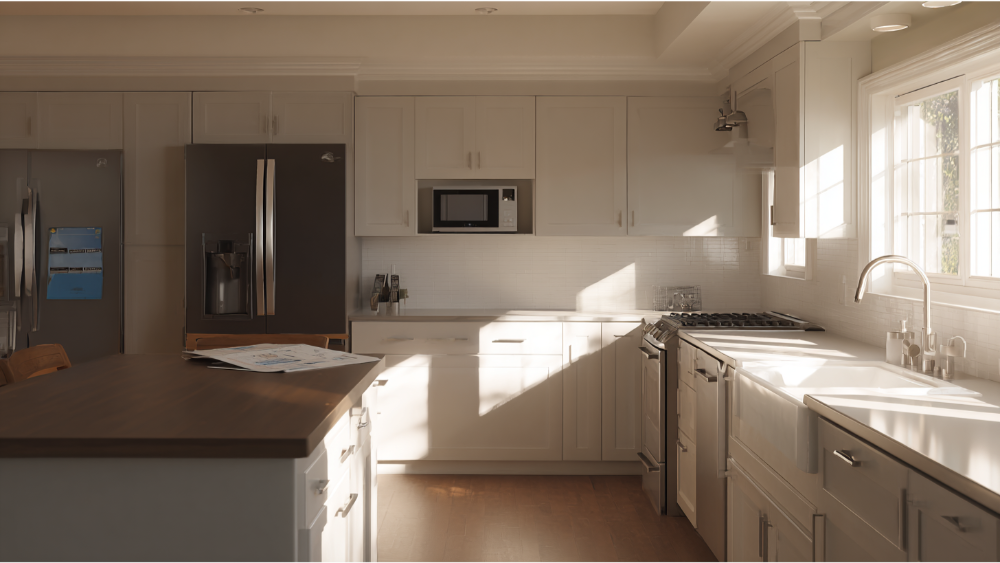
Beyond Aesthetics: Designing for Daily Use
A functional kitchen is designed around daily routines, not just appearances. While a beautiful kitchen adds value, functionality ensures the space supports cooking, cleaning, and entertaining guests without frustration. Many kitchens look impressive but lack flow, which leads to unnecessary movement during meal preparation. A functional kitchen remodel focuses on creating a layout that improves efficiency and supports your lifestyle.
The 5 Core Elements of a Functional Kitchen
The key to a functional kitchen lies in five core elements:
- Layout and workflow
- Storage and cabinets
- Counter space and countertops
- Lighting and visibility
- Appliances and placement
When these elements come together, the kitchen becomes more efficient, and even a single day in the space feels easier and more enjoyable.
Start with Layout: The Foundation of Kitchen Functionality
Understanding the Kitchen Work Triangle
The relationship between the sink, stove, and refrigerator is essential in any kitchen design. A well-planned layout minimizes unnecessary movement and supports efficient cooking. When these three elements are positioned correctly, meal preparation becomes faster and more comfortable.
When to Update Your Kitchen Layout
If your current kitchen feels cramped or disconnected, it may be time for a full kitchen remodel. Many kitchens in older homes were not designed for modern kitchen design trends or busy lifestyles. Opening walls or reconfiguring the layout can completely transform how the space functions.
Open Concept vs. Defined Spaces
Modern layouts often remove walls to create a more open room, but the right layout depends on your home. A U-shaped kitchen can still be highly efficient, especially when designed with more counter space and better flow. The goal is always to create a functional kitchen that supports cooking and daily routines.
Maximize Storage with Smart Cabinet Solutions
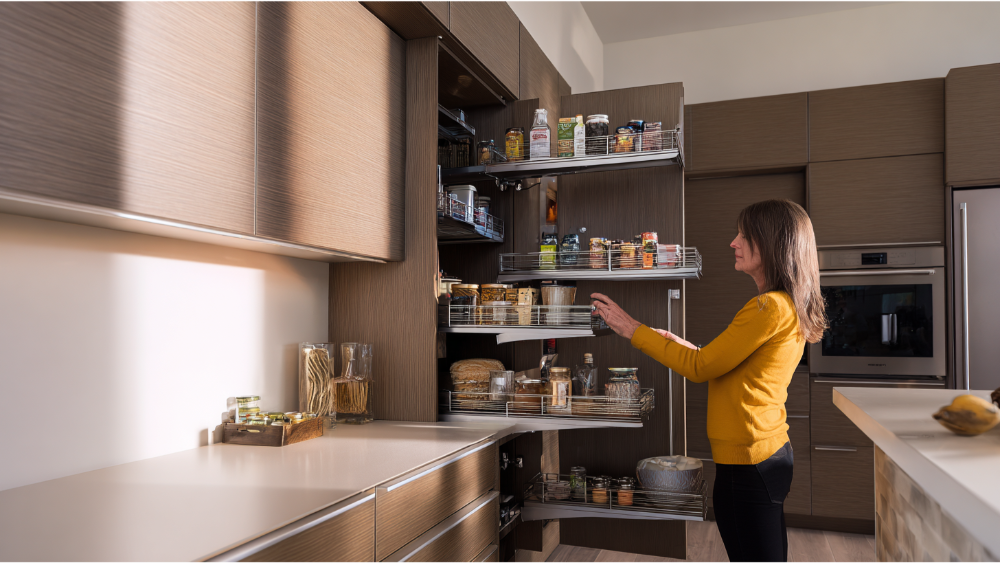
Why Storage Is the #1 Upgrade in 2025
Storage plays a major role in any functional kitchen remodel. Many homeowners are upgrading cabinets to include pull-out drawers, deeper shelves, and better organization systems. These improvements make such a difference in keeping the kitchen clean and easy to use.
Must-Have Storage Features
- Pull-out drawers improve access and eliminate wasted space.
- Corner cabinet solutions maximize hard-to-reach areas.
- Pantry storage adds more storage without cluttering the room.
- Cabinet and pantry doors impact usability, with glass doors offering visibility and solid doors keeping items hidden.
Custom vs. Semi-Custom Cabinetry
Custom cabinets allow you to create a kitchen tailored to your needs, while semi-custom cabinets provide flexibility at a lower cost. Both options improve functionality when designed correctly.
Upgrade Your Kitchen Island for Multi-Function Use
Why Islands Are the Center of Modern Kitchens
The kitchen island is one of the most important features in modern kitchen design. A large island provides more counter space, storage, and seating, making it ideal for cooking and entertaining guests.
Features That Improve Functionality
A kitchen island can include a sink, additional cabinets, and built-in appliances. This creates a more efficient workflow and allows multiple people to use the space at once.
When an Island Doesn’t Work (and What to Do Instead)
If there is not enough space, adding an island can reduce functionality. In these cases, a peninsula or alternative layout can create better flow and improve the room.
Improve Counter Space and Work Zones
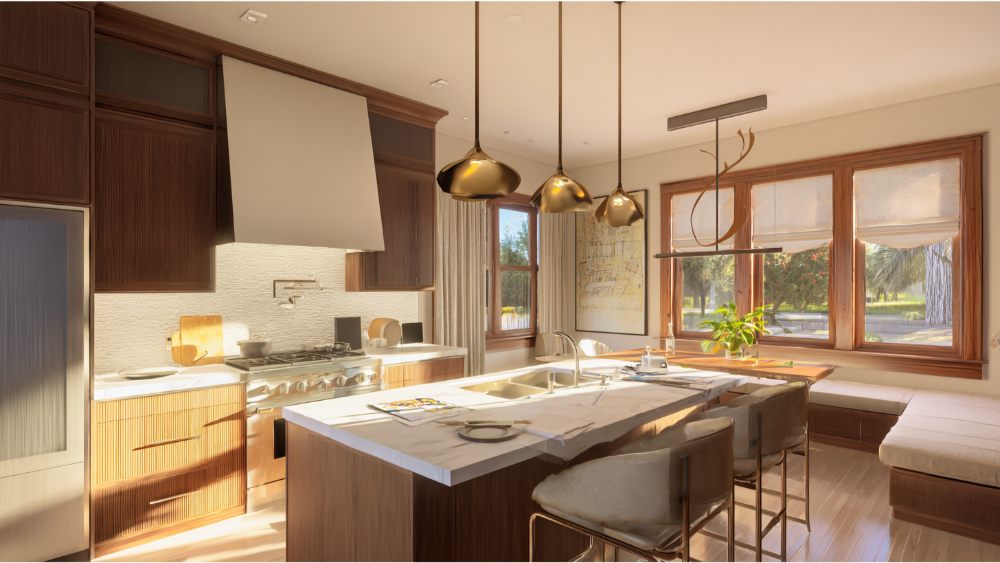
Creating Dedicated Prep Zones
Creating zones for food prep, cooking, and cleaning helps reduce unnecessary movement and improves efficiency. This makes meal preparation smoother and more organized.
Extending Usable Counter Space
Adding more counter space is one of the best ways to improve a functional kitchen. Expanding countertops or incorporating a kitchen island can provide more counter space and improve usability.
Decluttering Strategies That Actually Work
Keeping countertops clear is essential for functionality. Built-in storage, organized cabinets, and designated areas for small appliances help maintain a clean and efficient space.
Layer Your Lighting for Function and Comfort
The 3 Types of Kitchen Lighting
Lighting is essential in a functional kitchen. A combination of ambient lighting, task lighting, and accent lighting creates a balanced and usable space. Layered lighting ensures every part of the kitchen is well-lit.
Where to Place Lighting for Maximum Efficiency
- Undercabinet LED lighting improves visibility for food prep and cooking.
- Pendant lights above a kitchen island provide focused lighting.
- Recessed lighting ensures even coverage throughout the room.
Common Lighting Mistakes to Avoid
Poor lighting can reduce functionality. Better lighting placement improves safety, efficiency, and overall kitchen design.
Add a Pantry or Improve Food Storage
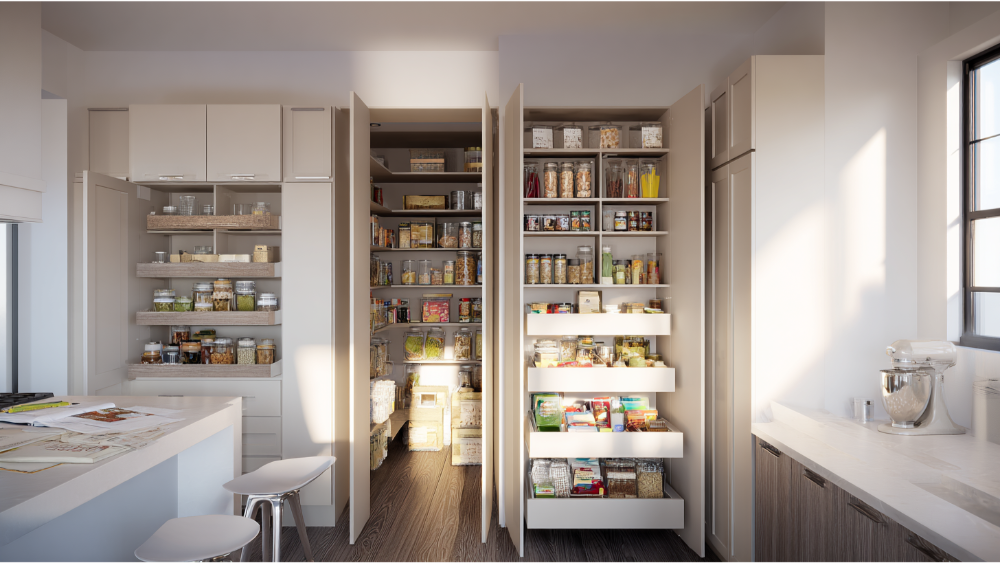
Walk-In vs. Built-In Pantry Options
A pantry is essential for storage and organization. Walk-in pantry options provide ample space, while built-in pantry cabinets are ideal for smaller kitchens.
Creative Pantry Solutions for Smaller Kitchens
Even with limited space, pantry storage can be improved using tall cabinets, pull-out drawers, and smart pantry doors. Sliding doors or glass doors can save space and improve access.
Choose Appliances That Enhance Workflow
Smart Appliance Placement
Appliances like the refrigerator, sink, and stove should be positioned for easy access. This improves workflow and reduces unnecessary movement.
Energy-Efficient Upgrades That Improve Function
Modern appliances improve energy efficiency and help reduce energy consumption. Reducing energy consumption and water usage makes the kitchen more sustainable and cost-effective.
Built-In vs. Freestanding Appliances
Built-in appliances create a seamless look, while freestanding appliances offer flexibility. The right choice depends on your kitchen design and available space.
Design for Real Life: Seating, Traffic Flow, and Family Use
Incorporating Seating into the Kitchen
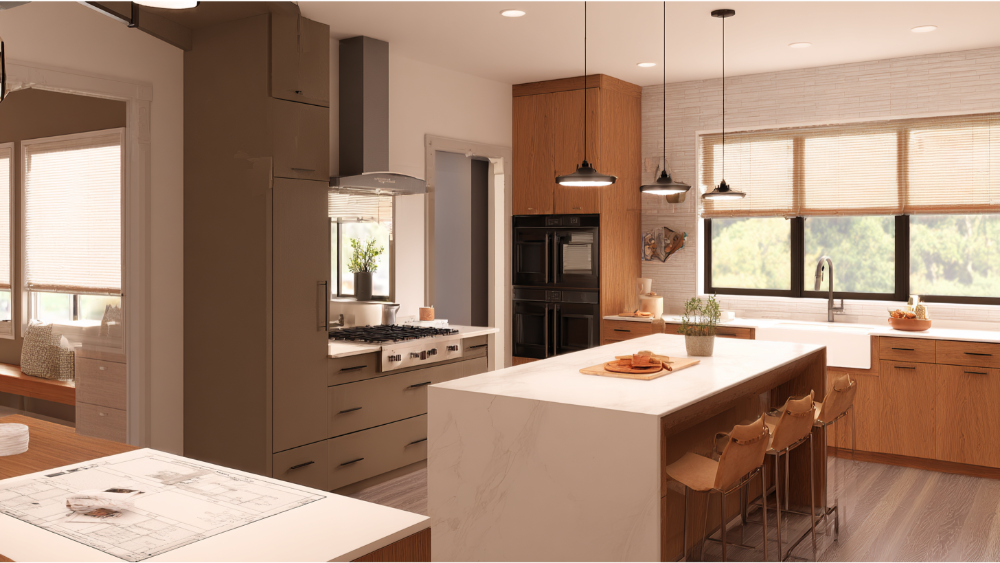
Seating areas like a large island or breakfast nook make the kitchen more functional for family gatherings and entertaining guests.
Planning for Multiple Users
A functional kitchen should allow multiple people to move freely without congestion. Proper layout and spacing are essential.
Kid-Friendly and Entertaining-Friendly Layouts
Durable materials and thoughtful design help create a space that supports daily life and special occasions.
When to Expand Your Kitchen Footprint
Signs Your Kitchen Needs More Space
If your kitchen lacks storage, counter space, or room to move, expanding the space may be necessary.
Borrowing Space from Adjacent Rooms
Removing walls and combining rooms can create a more open and functional kitchen. This is common in a whole house remodel where improving layout is a priority.
Common Kitchen Remodeling Mistakes That Reduce Functionality
- Prioritizing appearance over functionality
- Poor layout planning
- Not enough storage
- Inadequate lighting
- Oversized island disrupting flow
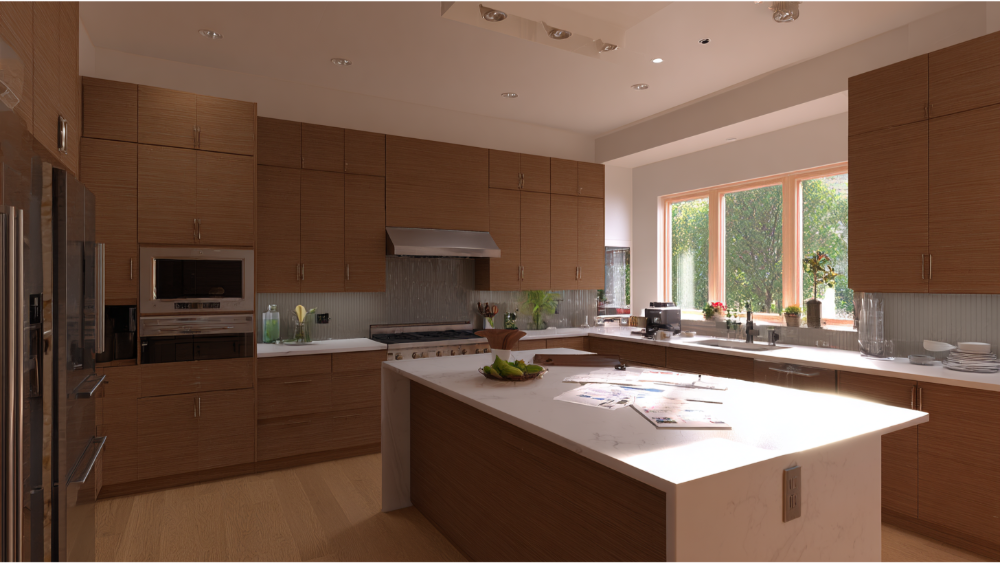
Avoiding these mistakes ensures your kitchen remodel delivers both performance and design.
Why Professional Design-Build Matters for Functional Kitchens
The Value of Expert Planning
A professional approach ensures your kitchen remodel is efficient, functional, and aligned with your lifestyle.
How Capital Construction Delivers Functional Kitchens
We specialize in creating functional kitchen remodel solutions that combine modern design, durable materials, and efficient layouts. Whether you are planning a kitchen renovation or a full kitchen remodel, our team focuses on creating a kitchen you will absolutely love.
FAQs About Functional Kitchen Remodeling
What is the most important feature in a functional kitchen?
The layout is the most important factor. A well-planned layout improves efficiency and supports cooking and meal preparation.
How can I make a small kitchen more functional?
Maximize storage, improve lighting, and optimize layout. Smart design choices can transform even a small space.
Is adding an island always a good idea?
Not always. The kitchen must have enough space to support proper flow.
How much should I budget for a functional kitchen remodel in 2025?
Costs vary depending on size, materials, and scope. A well-planned kitchen remodel improves both functionality and home value.
Final Thoughts: Build a Kitchen That Works for You
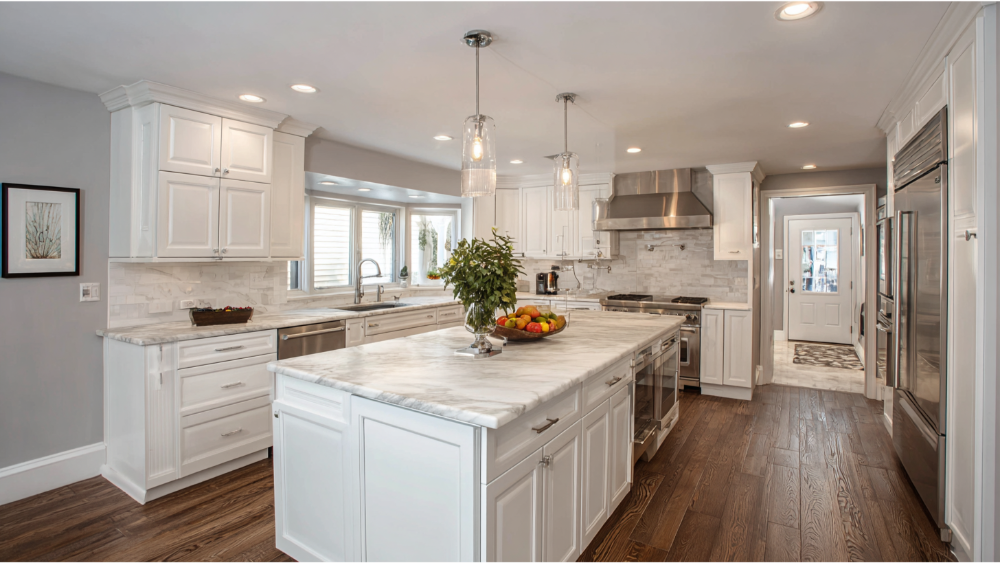
A functional kitchen is one that supports your lifestyle, improves daily routines, and enhances your home. By focusing on layout, storage, lighting, and efficient design, you can create your dream kitchen. At Capital Construction, we help homeowners design a new kitchen that is both beautiful and highly functional, creating a space you will enjoy for years to come.