How Do Designers Plan Lighting for Remodeled Kitchens?
Lighting is one of the most important elements in any kitchen remodel because it directly affects how the space looks, feels, and functions every day. Homeowners often focus on cabinets, countertops, and finishes, but lighting plays a crucial role in bringing everything together. So, how do designers plan lighting for remodeled kitchens? A well-executed kitchen lighting design enhances workflow, improves safety, and adds visual interest throughout the entire kitchen. In this guide, we break down how designers plan lighting for remodeled kitchens using proven strategies that combine function, style, and efficiency. At Capital Construction, every kitchen remodeling project we complete in Sacramento begins with a thoughtful lighting plan that ensures the space performs as beautifully as it looks.
Why Lighting Planning Is Critical in a Kitchen Remodel
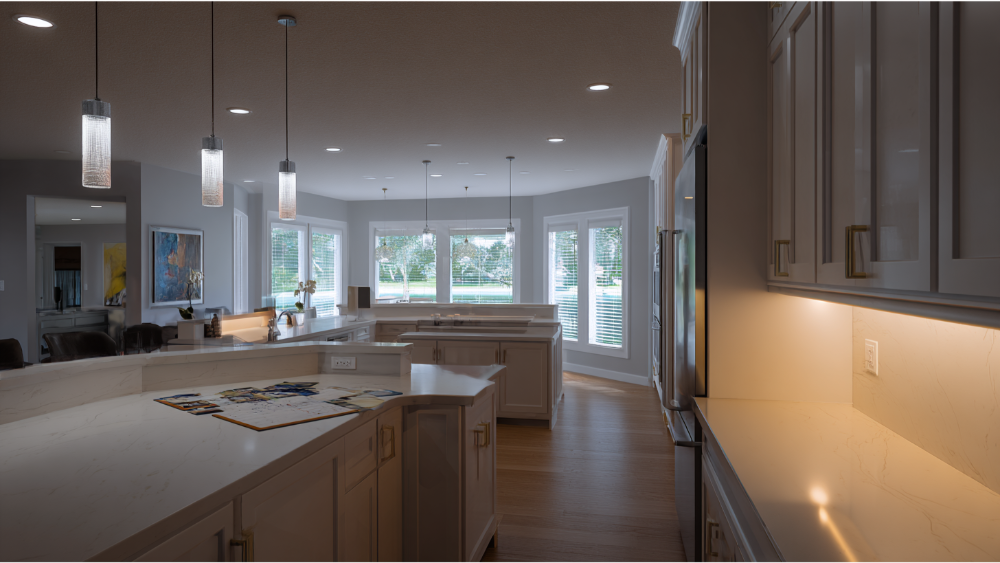
Lighting is not just about brightness; it defines how the kitchen space is used. From preparing food at the countertops to gathering around the kitchen island, every activity depends on proper lighting design. Poor lighting can place fixtures in the wrong place, creating shadows across work surfaces and making the space less functional. On the other hand, a well-planned kitchen lighting system uses multiple layers to create balance, comfort, and efficiency.
In modern kitchens, lighting also influences resale value. Buyers expect energy-efficient solutions, well-placed fixtures, and a cohesive lighting plan that supports the entire kitchen. Whether it is a full kitchen renovation or a focused upgrade, lighting should always be addressed early in the process.
The 3-Layer Lighting Strategy Designers Use
Professional kitchen lighting design is built on three essential types of lighting. These layers work together to create a complete and flexible lighting system.
Ambient Lighting (General Illumination)
Ambient lighting provides the overall illumination for the kitchen space. This includes ceiling lights such as recessed lighting, recessed ceiling lights, and recessed downlights that evenly distribute light across the ceiling. Designers often use recessed fixtures or can lights to create consistent brightness throughout the entire kitchen. These ceiling lights ensure that the space feels open and usable at all times.
In modern kitchen lighting, ambient lighting is carefully planned to match ceiling height and layout. Proper placement of recessed lighting helps avoid dark corners and ensures the entire kitchen feels cohesive.
Task Lighting (Work Zones)
Task lighting is essential for functionality. It provides focused lighting for areas where precision matters, such as countertops, sinks, and cooking zones. Functional task lighting is especially important for meal prep and preparing food safely. Designers use bright task lighting to illuminate work surfaces and reduce shadows that can interfere with visibility.
Common solutions include under cabinet lighting, LED under cabinet lighting, and cabinet lighting installed beneath upper cabinets. These solutions provide consistent illumination directly where it is needed. Task lighting is one of the most important types of lighting in kitchen lighting design because it directly impacts usability.
Accent Lighting (Design & Atmosphere)
Accent lighting adds depth and highlights architectural features throughout the kitchen. It is used to create visual interest and draw attention to elements like open shelving, floating shelves, and decorative wall details.
Accent lighting often includes LED strip lighting, strip lighting, and LED strips installed along cabinets or architectural features. These subtle lighting layers help create a warm and inviting atmosphere. In modern kitchens, accent lighting also serves as decorative lighting, enhancing the overall style while complementing ambient lighting and task lighting.
How Designers Map Lighting Based on Kitchen Zones
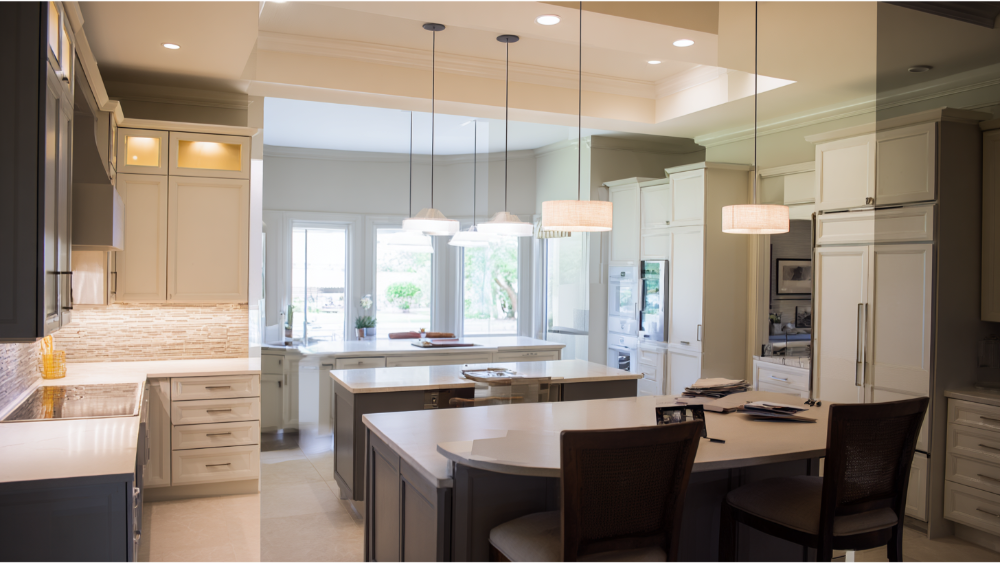
Designers approach kitchen lighting by dividing the space into functional zones. Each area requires a specific combination of ambient lighting, task lighting, and accent lighting.
Island Lighting Design
The kitchen island is one of the most important focal points in modern kitchens. It serves as a workspace, dining area, and gathering spot. Designers typically install pendant lights or pendants above the island. These hanging lights provide both functional task lighting and decorative lighting.
The number of pendants depends on the size of the island, but spacing is carefully planned to create balance and proper coverage. Pendant lights also help create a focal point that enhances the kitchen design.
Perimeter Countertops & Prep Areas
Countertops along the wall require consistent task lighting to support meal prep and daily use. Under cabinet lighting and cabinet lighting are installed to illuminate these work surfaces.
Under cabinet lighting eliminates shadows and ensures that countertops remain fully visible. LED strip lighting and puck lights are commonly used for this purpose. These lighting solutions are positioned toward the front of cabinets to maximize coverage and reduce shadows across the work surfaces.
Cooking Zones & Vent Hood Lighting
Cooking zones require focused task lighting to ensure safety and efficiency. Lighting around the range hood and sink must be bright enough to support cooking activities.
Designers often integrate lighting into the range hood or use additional light fixture options to provide proper illumination. This area relies heavily on task lighting to maintain visibility without glare.
Dining & Entertaining Areas
Lighting transitions in the dining area. Softer ambient lighting and decorative lighting create a comfortable environment for gatherings. A dining table may be illuminated with pendant lights or decorative fixtures that provide a warm glow while maintaining visual comfort.
The Role of Natural Light in Kitchen Lighting Design
Natural light plays a key role in any kitchen lighting plan. Designers evaluate window placement, wall openings, and how sunlight enters the space throughout the day. In Sacramento, natural light can significantly enhance the kitchen space, reducing the need for artificial lighting during daytime hours. However, artificial lighting must still support the space during evenings and seasonal changes.
The goal is to create a balanced lighting design that works with natural light, not against it. This ensures consistent lighting performance at all times.
Choosing the Right Color Temperature & Bulbs
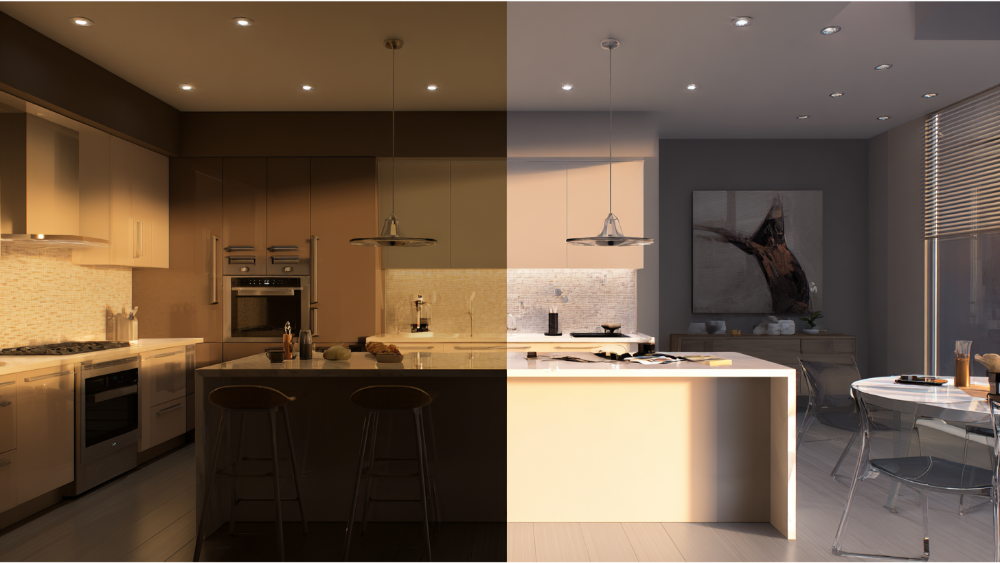
Color temperature is a critical factor in kitchen lighting design. It affects how colors appear and how comfortable the space feels. Most designers recommend a color temperature between 3000K and 4000K. This range provides a clean and natural appearance that works well in modern kitchens.
High-quality fixtures with strong color rendering help maintain visual comfort and ensure accurate color representation for kitchen cabinets, countertops, and finishes. Choosing the right light source ensures the kitchen lighting remains consistent across all fixtures.
Under-Cabinet Lighting: The Must-Have Feature in 2025
Under cabinet lighting has become a standard feature in modern kitchen lighting. It is one of the most effective ways to improve both function and style.
Under cabinet lighting provides direct illumination for countertops, making it easier to perform daily tasks. It also enhances cabinet lighting and highlights backsplash materials.
Common options include LED strip lighting, LED strips, and puck lights. LED strip lighting offers a continuous glow, while puck lights provide focused task lighting in specific areas. Under cabinet solutions also contribute to decorative lighting by adding depth and visual interest to the kitchen space.
Smart Lighting & Controls in Modern Kitchens
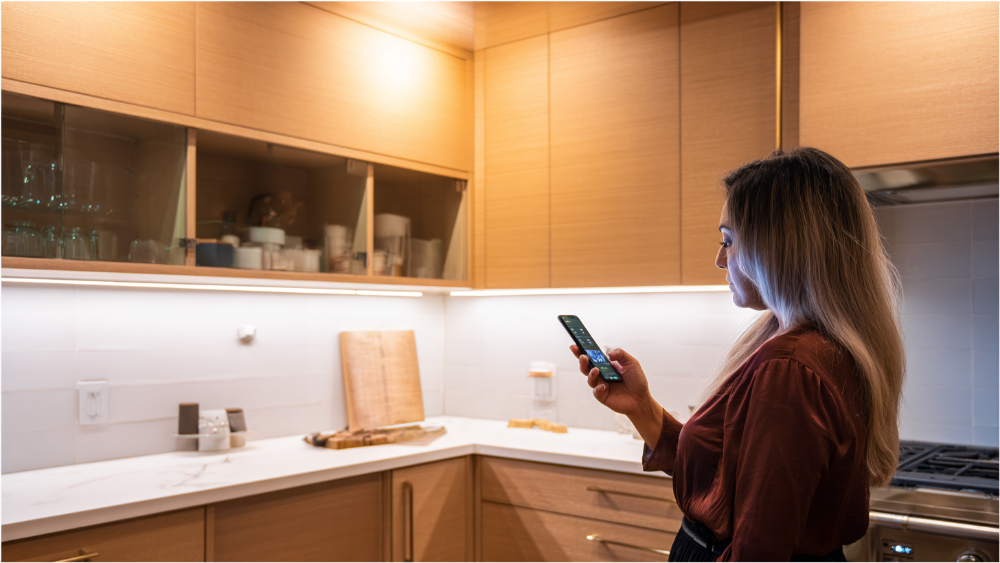
Modern kitchens rely on smart lighting systems to provide flexibility and efficiency. These systems allow homeowners to adjust lighting levels based on time of day and activity.
Dimmers, automated controls, and programmable settings help create multiple lighting scenes. This allows for bright task lighting during meal prep and softer ambient lighting during evenings. Smart systems also improve energy-efficient performance by reducing unnecessary lighting usage.
Fixture Placement Rules Designers Follow
Proper placement of fixtures is essential for effective kitchen lighting. Designers follow specific guidelines to ensure optimal results:
- Recessed lighting and recessed fixtures are spaced evenly across the ceiling to provide consistent ambient lighting.
- Pendant lights and pendants are centered over the island to create symmetry and balance.
- Ceiling lights are aligned with key work areas to improve task lighting performance.
- Under cabinet lighting is installed toward the front of kitchen cabinets to reduce shadows on countertops.
- Accent lighting is placed strategically to highlight architectural features and create visual interest.
Placing fixtures in the wrong place can create shadows and uneven lighting, which negatively impacts functionality.
Energy Efficiency & California Code Requirements
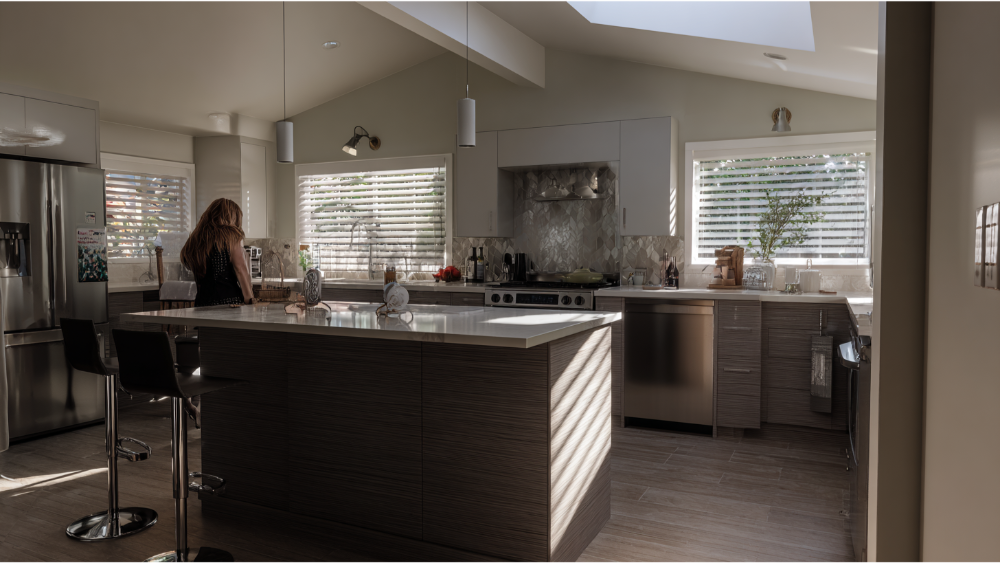
Energy-efficient lighting is a key consideration in any kitchen remodeling project. LED lighting is now the standard due to its long lifespan and reduced energy consumption.
California regulations require specific lighting controls and efficiency standards. Working with an experienced contractor ensures compliance while maintaining high-quality lighting design. Energy-efficient fixtures also help reduce long-term utility costs while maintaining performance.
When Lighting Should Be Planned in the Remodeling Process
Lighting should be addressed early in the kitchen remodel process. A well-developed lighting plan ensures that all elements work together seamlessly.
Designers coordinate lighting with kitchen cabinets, electrical layouts, and ceiling design. This integrated approach prevents costly changes later and ensures the final result meets expectations.
At Capital Construction, we incorporate lighting planning into every kitchen remodeling project to deliver a cohesive and functional result.
2025 Kitchen Lighting Trends Designers Are Using
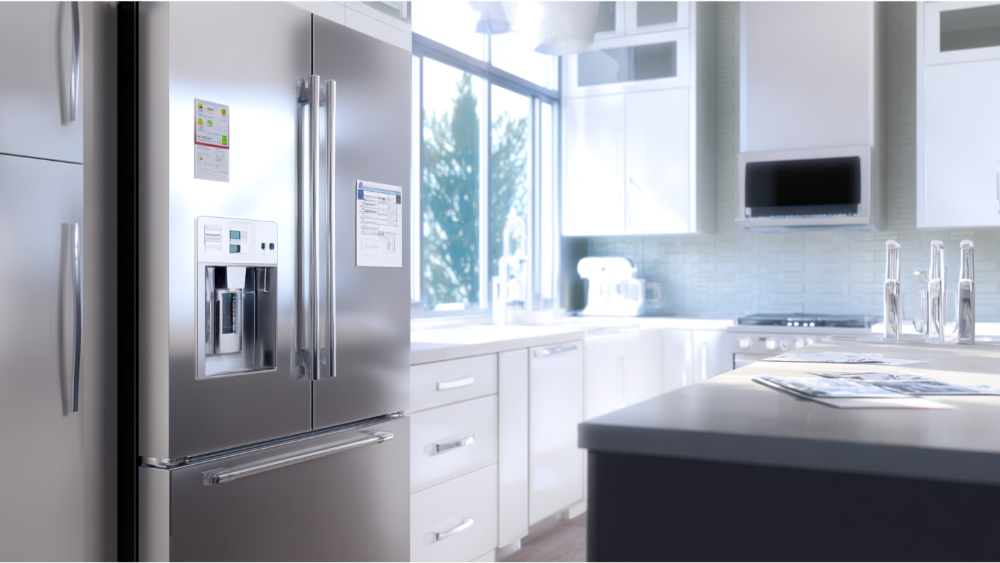
Modern kitchen lighting trends focus on simplicity, functionality, and personalization.
Recessed lighting remains a staple, providing clean and unobtrusive illumination. Pendant lights and decorative fixtures add style and character to the space.
Hidden LED strips and strip lighting are increasingly used to highlight kitchen cabinets, open shelving, and architectural features.
These trends reflect a shift toward layered lighting design that enhances both form and function.
Common Kitchen Lighting Mistakes to Avoid
One of the most common mistakes is relying on a single light source. This approach fails to provide adequate lighting across the entire kitchen.
Another issue is poor placement of pendant lights or ceiling lights, which can create uneven lighting.
Skipping under cabinet lighting reduces functionality and limits the effectiveness of task lighting.
Designers also avoid prioritizing style over performance, ensuring that every light fixture serves a purpose.
How Capital Construction Designs Kitchen Lighting in Sacramento
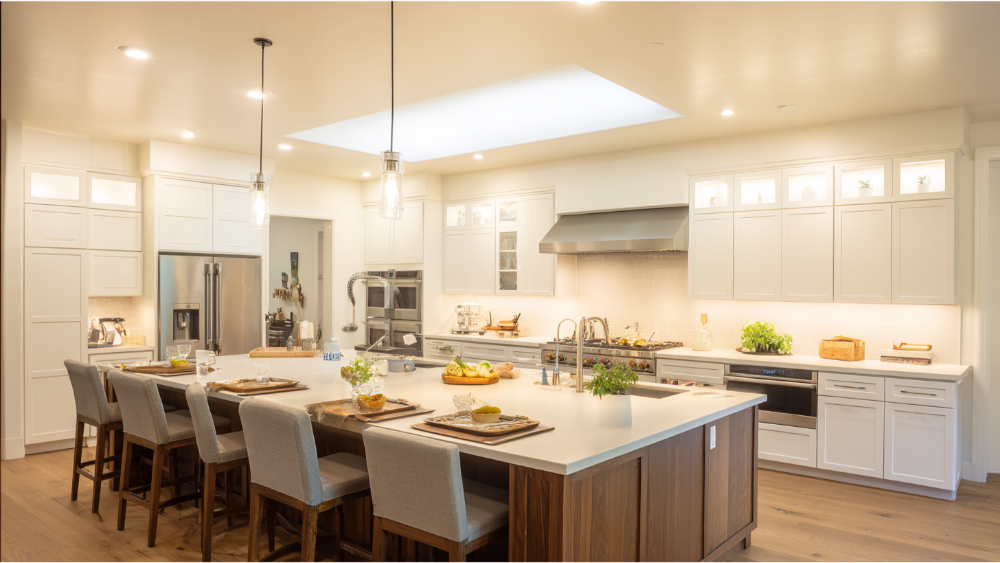
At Capital Construction, we approach every kitchen design with a focus on performance, efficiency, and style. Our team develops a detailed lighting plan that aligns with the homeowner’s needs and the layout of the space.
We carefully select fixtures, lighting types, and placement strategies to ensure optimal results. From recessed lighting and cabinet lighting to decorative lighting and pendants, every detail is considered.
Our experience in Sacramento allows us to design kitchen lighting systems that work with natural light, comply with local codes, and enhance the overall kitchen space.
FAQs About Kitchen Lighting Design
How many lights should a kitchen have?
The number of fixtures depends on the size of the kitchen space and the complexity of the lighting plan. Most kitchens require multiple layers of lighting to achieve proper coverage.
What is the best lighting layout for a kitchen remodel?
The best layout combines ambient lighting, task lighting, and accent lighting. This layered approach ensures both functionality and visual appeal.
Are recessed lights enough for a kitchen?
Recessed lighting provides ambient lighting, but it must be combined with task lighting and accent lighting for a complete solution.
What type of lighting is best over a kitchen island?
Pendant lights and pendants are the most effective choice for island lighting. They provide both functional task lighting and decorative lighting.
How much does kitchen lighting add to remodel cost?
Lighting typically represents a small portion of the lighting budget, but it has a significant impact on the final result.
Final Thoughts: Lighting Is What Brings Your Kitchen to Life
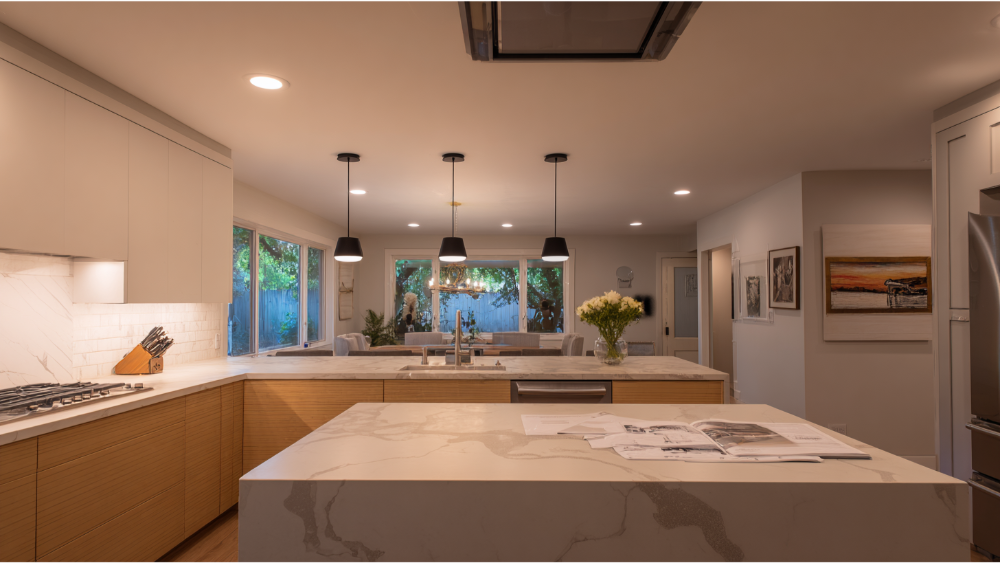
Lighting is what transforms a kitchen into a fully functional and inviting space. It supports daily tasks, enhances design features, and creates a comfortable environment for gathering.
By investing in professional kitchen lighting design, homeowners can create a dream kitchen that balances style and performance.
If you are planning a kitchen remodel in Sacramento, our team at Capital Construction is ready to help you design a kitchen lighting system that brings your vision to life.