What Are the Most Important Rules for a Functional Bathroom?
A bathroom should support everyday life without frustration. Homeowners often focus on finishes first, but functionality is what makes all the difference long after the remodel is complete. Understanding what are the most important rules for a functional bathroom helps avoid a boring bathroom that looks good in photos but feels cramped, awkward, or inefficient in real use. Good bathroom design combines careful planning, proper proportions, and practical bathroom design rules that work for many bathrooms, from small bathrooms to a spacious primary bathroom. This guide walks through those rules clearly, using real world experience from remodeling bathrooms across Sacramento and nearby communities.
What Makes a Bathroom Truly Functional?
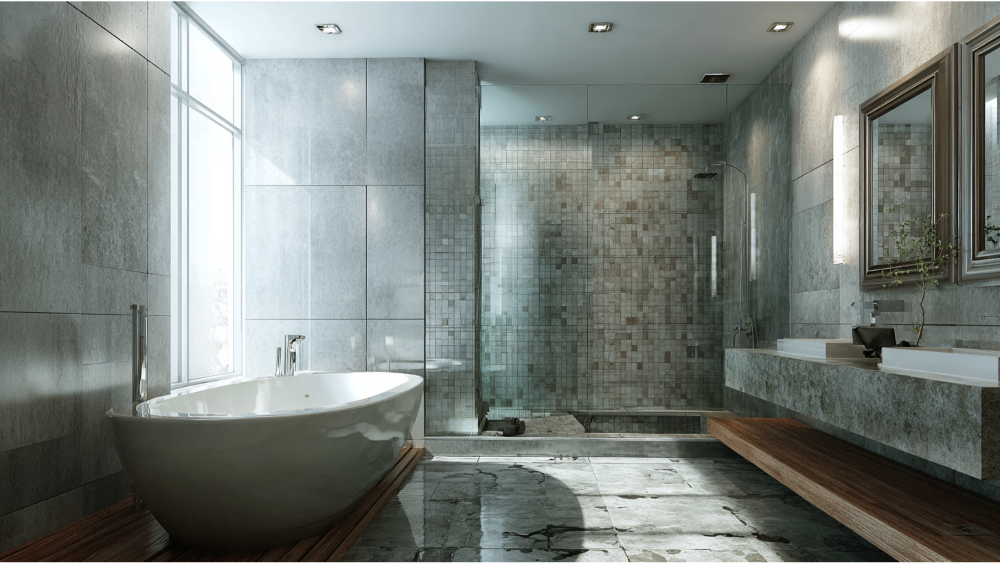
A functional bathroom works with the room’s scale, supports daily routines, and feels natural to move through. It balances interior design with practical needs like storage, lighting, safety, and circulation. Many homeowners underestimate how much bathroom layout and space planning affect comfort. A well designed bathroom provides enough room to move, enough light to see clearly, and enough storage to stay organized. When these elements work together, the bathroom becomes a calm space rather than a source of stress.
Rule #1 – Start With the Right Bathroom Layout
Bathroom layout is the foundation of functionality. Before selecting tile or fixtures, start planning the layout based on how the room is used.
Minimum Clearances That Actually Feel Comfortable
Clearances should allow breathing room, not just meet minimum width requirements. Toilets, vanities, and the shower area all need floor space in front of them so the room does not feel cramped. In both small spaces and larger rooms, enough room to stand, turn, and open doors comfortably makes a big difference. Key dimensions should guide the plan so the bathroom space feels balanced rather than tight, providing more space and extra space where possible to enhance usability.
Door Swing, Drawer Access and Traffic Flow
Door placement is often overlooked. A door that swings into a vanity or toilet disrupts the functional layout. Pocket doors or reoriented swing doors can save space and improve circulation. Drawers and cabinet doors should open fully without blocking walkways. In many bathrooms, one wall becomes overloaded with fixtures, while the opposite wall remains underused. Distributing elements more evenly helps the room feel larger and improves flow.
Rule #2 – Ventilation Is Not Optional
Ventilation protects the bathroom and the rest of the home.
Why Bathrooms Fail Without Proper Venting
Moisture builds up quickly in a bathroom, especially around the shower. Without proper ventilation, this moisture damages wall planes, floor planes, and finishes. Over time, paint peels, grout stains, and materials deteriorate. Good ventilation keeps the bathroom comfortable and protects the investment.
Exhaust Fan Requirements and Best Practices
A properly sized exhaust fan is essential in both guest bathrooms and the primary bathroom. The fan should move enough air for the room’s square footage and vent outside. Quiet fans encourage regular use, which improves performance.
When Windows Are and Aren’t Enough
Natural light from a window is valuable, but windows alone rarely remove moisture effectively. Ventilation fans provide consistent airflow regardless of weather or time of day. The most wonderful magnifier of space and mood in a bathroom is natural light, especially when it floods the room with intense daylight, making the space feel larger and more inviting.
Rule #3 – Waterproofing the Bathroom the Right Way

Waterproofing is one of the most important bathroom design rules, even though it is hidden behind finishes.
Tile Is Not Waterproof and Why That Matters
Tile is chosen for aesthetic purposes, but tile alone does not protect the structure. Water can pass through grout and reach the wall behind it. Without proper waterproofing, damage occurs out of sight.
Proper Shower and Tub Surround Assemblies
A functional bathroom relies on complete systems. This includes approved backer boards, membranes, sealed penetrations, and proper transitions between horizontal and vertical planes. Shower dimensions must be planned carefully so water stays where it belongs.
Common Waterproofing Mistakes We See in Sacramento Homes
Skipping membranes, improperly sealing niches, and failing to enclose plumbing correctly are common issues. These shortcuts often lead to expensive repairs later in the bathroom project.
Rule #4 – Electrical Safety and Smart Power Planning
Electricity and water require careful coordination.
GFCI Protection and Bathroom Circuits Explained
Bathrooms need dedicated circuits and GFCI protection to keep users safe. This applies to outlets near the vanity and anywhere electricity is used near water.
Outlet Placement That Matches Real Use
Outlets should be located where they are needed for everyday life. This includes space for hair tools, electric toothbrushes, and bidet seats. Planning power early prevents cords from crossing sinks or walkways.
Lighting Layers for Function, Not Just Style
Lighting should be layered to support different tasks. Ambient lighting provides overall illumination, while accent lighting and task lighting improve visibility where it matters most. Artificial lighting complements natural light, ensuring the bathroom remains functional and welcoming during all hours. Vanity sconces and recessed ceiling lights can provide bright task lighting without creating shadows, while accent lighting adds warmth and depth.
Rule #5 – Plumbing Safety and Anti-Scald Protection
Plumbing choices affect comfort and safety.
Why Anti-Scald Valves Are Essential
Anti scald protection prevents sudden temperature changes in the shower. This is especially important in homes with children, older adults, or guest bathrooms used by visitors unfamiliar with the system.
Shower Valve Types and Temperature Control
The right valve maintains consistent water temperature and supports multiple shower heads if desired. This improves comfort and reduces risk.
Rule #6 – Choose Slip Resistant Flooring Without Sacrificing Style

Flooring affects both safety and appearance.
Understanding Slip Ratings in Plain English
Slip resistance helps reduce falls, especially when floors are wet. While no surface is completely slip proof, certain materials perform better in a bathroom environment.
Best Flooring Options for Functional Bathrooms
Porcelain tile and other water resistant materials work well when installed correctly. The goal is to maintain traction without making cleaning difficult.
Flooring Mistakes That Increase Fall Risk
Highly polished surfaces and poor transitions between floor planes increase the chance of slipping, particularly near the shower or toilet.
Rule #7 – Water Efficiency That Still Feels Luxurious
Efficiency does not have to mean compromise.
Toilets, Faucets and Showers That Save Water
Modern toilets and shower fixtures use less water while maintaining performance. Dual flush toilets and efficient shower heads reduce waste without affecting comfort.
Why Water Efficient Fixtures Matter in Sacramento
Water efficiency supports long term savings and responsible use. In many bathrooms, these fixtures are an easy upgrade during a new bathroom remodel.
Rule #8 – Storage Solutions That Support Daily Routines
Storage keeps the bathroom organized and functional.
Vanity Design for Real Storage Needs
A well designed vanity provides storage that matches how the bathroom is used. Drawers often offer better access than deep cabinets. Floating vanities can help save space and make the room feel larger.
Shower Niches, Linen Storage and Medicine Cabinets
Shower niches reduce clutter in the shower area. A mirrored cabinet offers discreet storage while reflecting light. Open shelving can work for storing towels if placed carefully.
Rule #9 – Natural Light and Lighting That Works Day and Night
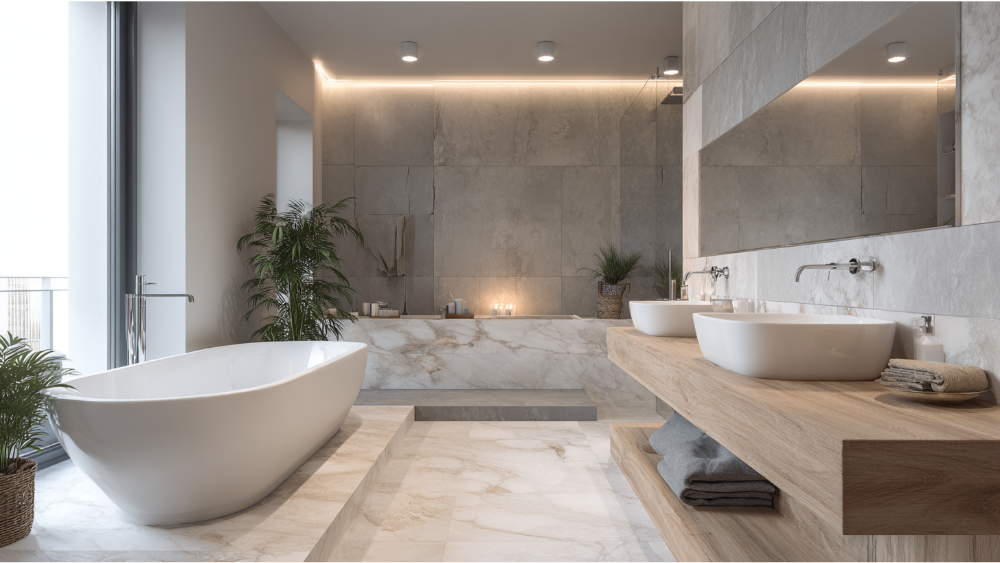
Lighting affects both function and mood.
Task Lighting vs Ambient Lighting
Vanity sconces placed at the correct height provide even light for grooming. Ambient lighting fills the room and prevents shadows.
Avoiding Shadows and Glare
Poor lighting placement creates harsh contrasts. Balanced lighting makes the room feel comfortable and usable at all times. Using glass shower screens helps natural light travel through the bathroom, avoiding dark corners and making the entire space feel open. Positioning windows or skylights to capture the most intense daylight ensures the bathroom benefits from the most wonderful magnifier of space and atmosphere.
Rule #10 – Design for Long Term Use Not Just Today
Bathrooms should adapt over time.
Aging in Place Bathroom Design Principles
Future accessibility should be considered even if it is not immediately needed. Reinforced walls for grab bars, curbless or walk in shower options, and wall mounted toilets can provide flexibility later.
Resale Friendly Bathroom Choices
Neutral finishes combined with functional upgrades appeal to future buyers. A bathroom that feels comfortable and well planned stands out in the market.
Common Bathroom Design Mistakes That Hurt Functionality
Common issues include oversized vanities that crowd the room, lack of storage, insufficient lighting, and layouts that ignore how people move through the space. Many homeowners underestimate how much these mistakes affect daily comfort.
Why Professional Bathroom Planning Makes the Difference
A bathroom remodel involves many details working together. Professional planning ensures the bathroom layout, plumbing, electrical, waterproofing, and lighting are coordinated. This careful planning avoids rework and delivers a finished room that works as intended.
FAQs About Functional Bathroom Design
What is the minimum size for a functional bathroom?
Function depends more on layout than square footage. Even small bathrooms can feel comfortable with smart planning.
How much ventilation does a bathroom need?
Ventilation should match the size and use of the room. Every bathroom should have mechanical ventilation.
Are curbless showers worth it?
When designed correctly, a walk in shower improves accessibility and makes the room feel more open.
What flooring is safest for bathrooms?
Slip resistant porcelain tile and other water safe materials perform well when installed properly.
How long does a functional bathroom remodel take?
Timelines vary by scope, but a well planned bathroom project moves more smoothly.
Final Thoughts: Building a Bathroom That Works for Your Life
Understanding what are the most important rules for a functional bathroom helps homeowners make better decisions from the start. Good bathroom design considers space, light, storage, and movement together. Whether working with small spaces or designing a personal spa, focusing on function creates a bathroom that supports everyday life. With careful planning and attention to detail, the result is a bathroom that feels comfortable, balanced, and built to last. Even viewing the space from one angle can reveal opportunities to add more space or improve lighting, ensuring the bathroom is as functional as it is beautiful.