What Homeowners Should Expect

One of the most common questions homeowners ask before starting a kitchen remodel is simple and practical, how long will the kitchen be unusable in a remodel? The answer matters because the kitchen is central to daily life, from cooking and food prep to gathering with family. Knowing what to expect helps homeowners plan, set a realistic budget, and move through the remodel process with confidence. As a Sacramento-based contractor, we see firsthand how careful planning and clear communication make a major difference in how disruptive a renovation feels.
Why Homeowners Ask This Question First
A kitchen remodel affects more than just the space itself. It impacts routines, schedules, and household logistics. Homeowners want a clear answer so they can plan meals, manage work-from-home responsibilities, and prepare their house for construction. Whether the scope includes minor updates or a complete renovation, understanding the typical timeline helps set realistic expectations and reduces stress once work begins.
What “Unusable” Really Means During a Kitchen Remodel
When people hear that a kitchen will be unusable, they often imagine every appliance gone for months. In reality, unusable usually means one or more essential functions are unavailable. This can include plumbing for the sink, electrical connections for appliances, or safe counter space. Once plumbing or electrical systems are disconnected, the kitchen can no longer support cooking or food prep in a safe way.
Can You Still Use Parts of the Kitchen?
In some remodel projects, a refrigerator or mini fridge can remain plugged in for part of the time. A toaster oven or other small appliances may be set up in another space. However, during the construction phase, especially during actual demo and rough work, using the kitchen is discouraged. Dust, debris, and exposed wiring or plumbing create safety concerns and can slow progress if the space is used.
Average Kitchen Remodel Timelines (2025 Benchmarks)
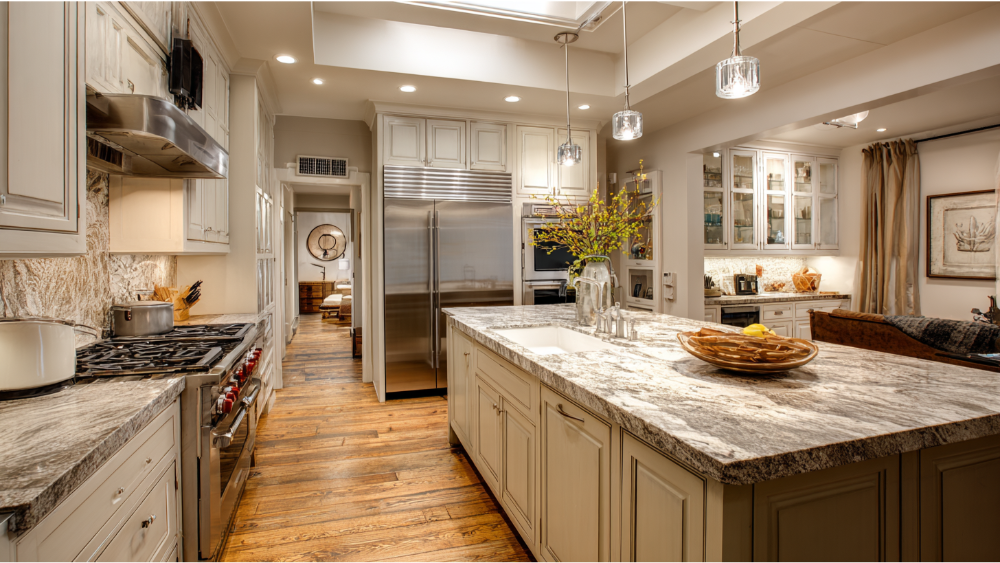
A kitchen remodel timeline varies depending on the project’s size, scope, and materials. On average, once construction starts, most kitchen projects take several weeks to complete. The kitchen is not unusable for the entire timeline, but there is usually a defined window when cooking and cleaning in the space are not possible.
Cosmetic Kitchen Updates
Cosmetic kitchen renovation projects focus on surface changes. This may include new countertops, updated lighting, fresh flooring, or refinishing old cabinets. These minor updates often allow homeowners to use parts of the kitchen until late in the project. In many cases, the kitchen is unusable for only a few days to a couple of weeks, depending on countertop installation and plumbing reconnections.
Mid-Range Kitchen Remodels
A mid-range kitchen remodel often includes new cabinets, updated appliances, new countertops, and improved lighting while keeping walls and plumbing locations mostly the same. For this type of remodel, homeowners should expect the kitchen to be unusable for about a few weeks, commonly three to six weeks. This period includes demolition, plumbing work, electrical work, cabinet installation, and countertop fabrication.
Full Kitchen Remodels and Layout Changes
A full kitchen remodel involves significant renovation, such as removing walls, relocating plumbing, updating outdated wiring, and reworking the entire layout. These projects typically leave the kitchen unusable for several weeks, often six to ten weeks or more. While the full project timeline may extend longer, this range reflects the period when the kitchen cannot support daily cooking or food prep.
Kitchen Remodel Timeline Breakdown Step by Step
Understanding the remodel process helps explain why kitchens go offline and how long each stage lasts.
Design, Planning, and Material Selection
The planning phase happens before construction begins, so the kitchen remains usable. During this stage, homeowners work with a kitchen designer to create a plan, select materials, and finalize layouts. Decisions about cabinets, countertops, flooring, appliances, and lighting are made here. Careful planning and early ordering of materials help the project stay on schedule once work begins.
Demolition Phase
The actual demo marks the point when the kitchen typically becomes unusable. Old cabinets, countertops, and flooring are removed. Plumbing and electrical lines are disconnected as needed. This phase usually lasts one to two weeks, depending on the scope of the remodel and the condition of the existing space.
Rough Plumbing, Electrical, and Structural Work
After demolition, plumbers and electricians complete rough plumbing and electrical work. This may include moving plumbing lines, upgrading electrical panels, or addressing outdated wiring. Inspections are required before moving forward. During this construction phase, the kitchen remains unusable because utilities are not fully connected. This stage often takes two to four weeks.
Cabinet and Countertop Installation
Once rough work is approved, the installation phase begins. Kitchen cabinets are installed first, followed by countertop templating and fabrication. Countertops are a key milestone because sinks are usually mounted at this stage. Delays in countertop fabrication can extend the time without running water in the kitchen.
Appliances, Fixtures, and Finishing Touches
After countertops are installed, new appliances are connected, plumbing fixtures are set, and electrical outlets and lighting are finalized. At this point, the kitchen becomes functional again, even if minor finishing touches are still being completed.
Factors That Can Extend How Long Your Kitchen Is Unusable
Several factors can cause unexpected delays. Permit approvals can take time, especially when walls are moved or structural changes are involved. Contractor availability and the contractor’s schedule also play a role. Material lead times for custom cabinets, specialty countertops, or new appliances can affect the timeline. Hidden issues such as water damage or outdated wiring discovered during demolition may require additional work.
Older Sacramento Homes and Remodel Complexity
Many homes in the Sacramento area have older plumbing and electrical systems. Addressing outdated wiring or aging plumbing adds time but is often necessary for safety and code compliance. Working with an experienced contractor who understands local conditions helps keep the project moving and avoids unnecessary delays.
How to Prepare for Life Without a Kitchen

Planning ahead makes living through a remodel far more manageable.
Setting Up a Temporary Kitchen
A temporary kitchen can be set up in a garage, dining room, or laundry area. A small table can serve as a prep surface, and a mini fridge keeps essentials cold. Homeowners often rely on small appliances such as a toaster oven, microwave, slow cooker, or hot plate to handle basic cooking needs.
Budgeting for Meals During the Remodel
Eating out more frequently is common during a kitchen renovation. Factoring this into the budget helps avoid surprises. Simple meals prepared with small appliances can reduce food costs while keeping daily routines manageable.
Planning Around Family, Pets, and Work-from-Home
Construction affects the entire house. Noise, dust, and limited access to certain spaces are part of the process. Planning work schedules, pet arrangements, and daily routines around the construction timeline helps minimize disruption.
How Capital Construction Minimizes Kitchen Downtime

As a local Sacramento contractor, our focus is on preparation, coordination, and clear communication. We work closely with homeowners and kitchen designers during the planning phase to lock in decisions early. Materials are ordered in advance, and the contractor’s schedule is carefully managed so each trade arrives when needed. This approach helps the project stays on track and reduces the time the kitchen is unusable.
Can You Live at Home During a Kitchen Remodel?
Most homeowners choose to stay in their house during a kitchen remodel. With a temporary kitchen and a clear plan, daily life can continue with some adjustments. For very large projects or families with specific needs, temporary relocation may be considered, but it is not required in most cases.
Kitchen Remodel FAQs
How long does a kitchen remodel leave the space unusable?
How long does a kitchen remain unusable varies depending on scope. Minor updates may disrupt the kitchen for a short time, while full renovation projects often require several weeks without full functionality.
Is it faster if I keep the same layout?
Yes. Keeping plumbing and electrical lines in place shortens the kitchen remodel timeline and reduces the duration of the unusable period.
What part of the remodel takes the longest?
Cabinet fabrication, countertop production, and permit approvals often take the most time. These steps are critical to creating a complete and durable new kitchen.
Can appliances stay during the remodel?
Sometimes appliances can remain temporarily, but most projects require them to be removed during demolition and reinstalled later.
Do permits affect the timeline?
Permits are required for many kitchen remodel projects, especially those involving electrical, plumbing, or structural changes. Permit timelines should be factored into the plan.
Final Thoughts Planning for a Smooth, Predictable Kitchen Remodel
So, how long will the kitchen be unusable in a remodel? For most homeowners, the answer ranges from a few weeks to several weeks, depending on the scope and complexity of the project. Understanding the typical timeline, planning ahead, and working with an experienced contractor helps ensure realistic expectations and a smoother renovation experience. With careful planning, clear communication, and the right team, the temporary inconvenience leads to a new kitchen that supports daily life, fits your budget, and brings you closer to your dream kitchen.