How Does Moving Bathroom Fixtures Affect Cost in a Bathroom Remodel?

Understanding how does moving bathroom fixtures affect cost is one of the most important steps when planning a bathroom remodel. Many homeowners start a bathroom remodel focused on finishes and style, but the real cost impact often comes from plumbing changes. Whether you are updating a small bathroom, a half bath, or a master bathroom, moving plumbing fixtures can significantly influence bathroom remodel costs, labor costs, and the overall cost of the project. This guide explains how fixture relocation affects bathroom renovation costs and how to plan smarter from the start.
Why Moving Plumbing Fixtures Changes the Cost of a Remodel
The Difference Between a Cosmetic Update and a Layout Change
A bathroom remodel that keeps plumbing fixtures in place is usually more budget friendly. Once you begin moving plumbing fixtures, the scope changes from surface updates to structural and mechanical work. A new bathroom layout often requires new plumbing lines, plumbing changes, and electrical work, which immediately increase costs. Bathroom remodel projects that involve layout changes almost always land at the higher end of the average range.
The Hidden Work Homeowners Don’t See
Behind the walls and floors, plumbing and electrical work must meet local codes. Moving plumbing requires opening bathroom walls, floors, and sometimes ceilings. Concrete cutting may be required in slab foundations, while raised foundations may still need significant access work. After plumbing work is complete, tile installation, drywall repair, and custom tile work restore the space, adding to bathroom remodel expenses and the final cost.
The Biggest Cost Factors When Moving Plumbing Fixtures
Distance From Existing Plumbing Lines
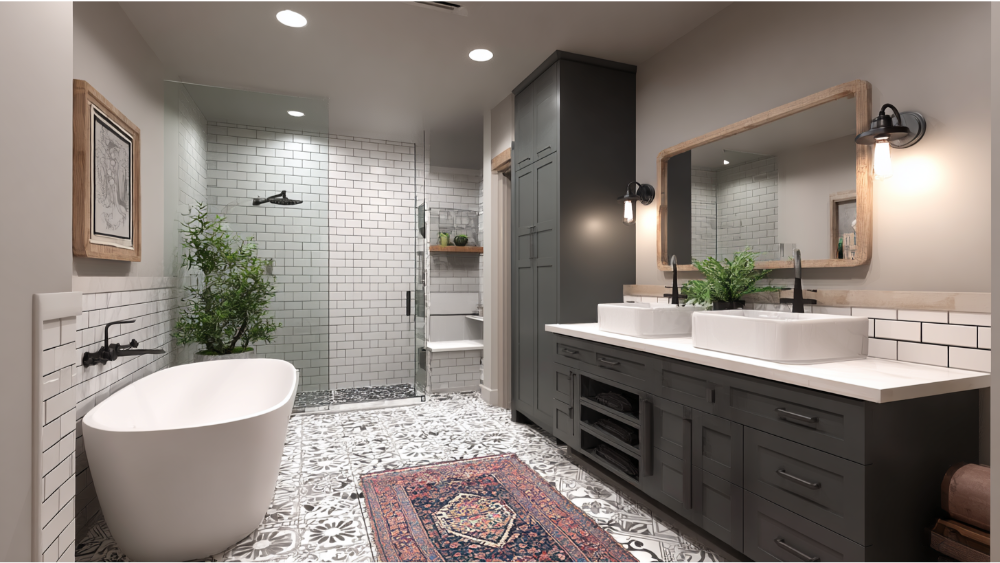
Distance is one of the key factors that affect cost. The farther a fixture moves from existing plumbing lines, the more materials, labor, and plumbing costs are involved. Short moves along the same wall can help reduce labor costs, while long relocations across the bathroom increase costs quickly. This applies to sinks, toilets, walk in shower layouts, and even light fixtures that need electrical work.
Foundation Type: Slab vs. Raised Foundation
Homes built on slab foundations often see higher bathroom renovation costs when fixtures move. Concrete cutting, trenching, and patching are labor intensive and increase costs. Raised foundations usually allow easier access to plumbing, which can help cut costs, but labor rates and project’s size still matter.
Drain, Vent, and Supply Line Requirements
Plumbing involves more than water supply. Drain slope, venting, and proper connections are required for new plumbing to function correctly. Plumbing relocations that affect venting often require additional plumbing work and inspections. Plumbing changes and plumbing relocations often trigger permit costs, which also affect the overall cost.
Permits, Inspections, and Code Compliance
Permit costs and inspections protect homeowners, but they add time and expense. Moving plumbing and electrical work typically requires permits to meet local codes. Planning these steps early helps avoid delays and surprise bathroom remodel costs later.
Cost Impact by Fixture Type: What Moves Cost the Most
Moving a Toilet
Toilet relocation is often the most expensive plumbing change. Toilets require large drain pipes with precise slope and venting. In a small bathroom or powder room, moving a toilet even a few feet can increase costs significantly. In a master bath or primary bathroom, the same move may involve more materials and higher labor costs due to square foot considerations.
Moving a Shower or Tub in a Walk In Shower
Moving a tile shower or tub impacts waterproofing, drains, and tile work. A walk in shower often requires a full rebuild of the shower base, tile installation, and custom tile work. Natural stone or porcelain tile increases bathroom renovation costs further, especially when combined with heated floors.
Moving a Vanity or Sink
Vanities are usually the most flexible plumbing fixtures. Moving a sink a short distance may have a smaller impact on bathroom remodel expenses. Costs rise when adding a double vanity, custom vanity, or custom cabinets that require plumbing changes, electrical work, and more materials.
Typical Cost Ranges for Moving Bathroom Fixtures

Minor Fixture Shifts
Minor shifts include moving a sink slightly or adjusting a shower drain without changing the entire bathroom layout. These bathroom remodel projects often stay within a more normal range, especially in a small bathroom remodel. Labor costs are lower, and the total cost remains more predictable.
Moderate Relocations
Moderate relocations involve moving multiple plumbing fixtures short distances. These changes often affect bathroom walls, tile work, and electrical work. Bathroom remodel costs increase as more materials and labor are required, but careful planning can still help save money.
Major Layout Changes
Major layout changes include moving toilets, showers, and vanities across the bathroom. These bathroom renovations often require new plumbing, concrete cutting, extensive plumbing and electrical work, and full tile installation. The final price for these projects typically exceeds the average bathroom remodel costs.
How Labor Costs Affect the Overall Bathroom Remodel Budget
Plumbing Costs vs. Finish Restoration Costs
Plumbing costs are only part of the equation. Tile work, custom cabinets, cabinet hardware, flooring, and installing accessories often add more to the overall cost than expected. Luxury fixtures, new fixtures, and high end material choices increase bathroom remodel expenses and the final cost.
Timeline Impacts
Bathroom renovations that include moving plumbing take longer. Inspections, curing time for concrete, and coordination between plumbing and electrical work extend the schedule. A longer timeline often increases labor rates and overall cost.
When Moving Bathroom Fixtures Is Worth the Extra Cost

Improving Functionality and Flow
Sometimes moving plumbing fixtures is the best way to achieve a dream bathroom. Expanding a walk in shower, adding a double vanity, or improving circulation can create more space and better daily use. In a master bathroom or primary bathroom, these improvements often justify the increase costs.
Long-Term Value vs. Short-Term Savings
Well planned bathroom renovations can improve home value. While moving plumbing increases bathroom remodel costs upfront, a better bathroom layout and upgraded finishes often deliver long term benefits. Homeowners who plan smarter often avoid regret later.
Smart Alternatives to Moving Bathroom Fixtures
Keeping Plumbing in Place but Improving Design
Keeping plumbing fixtures in place is one of the best cost saving tips. Updating tile installation, light fixtures, custom cabinets, and material choices can transform a bathroom without major plumbing changes. This approach is ideal for a small bathroom, half bath, or powder room.
Expanding or Reframing the Space Strategically
In some bathroom remodel projects, adjusting walls or storage can improve function without full plumbing relocations. This strategy can help reduce labor costs and keep the project stress free.
Sacramento Specific Considerations Homeowners Should Know
Common Local Home Types and Plumbing Layouts
Sacramento homes vary widely in age and construction style. Older homes may require more plumbing changes, while newer homes may allow easier moving plumbing. Slab foundations are common and often increase costs when plumbing relocations are required.
Why Local Experience Matters
Understanding local codes, labor rates, and construction methods helps create a realistic budget. Local experience also ensures plumbing and electrical work is completed efficiently and correctly.
How Capital Construction Helps Homeowners Make the Right Call
Early Planning and Transparent Pricing
Evaluating moving plumbing fixtures during the planning phase helps control bathroom remodel costs. Clear communication about plumbing costs, labor costs, and material choices helps homeowners understand the average bathroom remodel and the final price.
Design Build Approach for Smarter Decisions
A design build approach allows layout, plumbing, and finishes to be planned together. This helps homeowners save money, cut costs, and achieve a dream bathroom without unnecessary expenses.
Frequently Asked Questions About Moving Bathroom Fixtures
Is it cheaper to keep bathroom fixtures in the same place?
Yes, keeping plumbing fixtures in place typically lowers labor costs, plumbing work, and bathroom remodel expenses.
How much does it cost to move a toilet in a bathroom remodel?
The cost depends on bathroom size, foundation type, and plumbing changes. Toilet relocations are often one of the highest plumbing costs in bathroom renovations.
Can I move a shower without redoing the whole bathroom?
Moving a shower usually affects tile work, waterproofing, and plumbing lines, which often impacts the entire bathroom.
Do I need permits to move bathroom plumbing?
Yes, most plumbing relocations require permits and inspections to meet local codes.
How do I know if moving fixtures is worth it?
Evaluating key factors like project’s size, total cost, and long term home value helps determine if moving plumbing makes sense.
Final Thoughts: Making Informed Bathroom Remodeling Decisions
Understanding how does moving bathroom fixtures affect cost helps homeowners plan with confidence. Bathroom remodel costs depend on plumbing, labor, square foot considerations, and material choices. Whether planning a budget friendly update or a luxury master bath, thoughtful planning helps control the overall cost and achieve a bathroom that adds comfort, function, and value to the home.