How Do You Protect the Rest of the Home During Demolition?
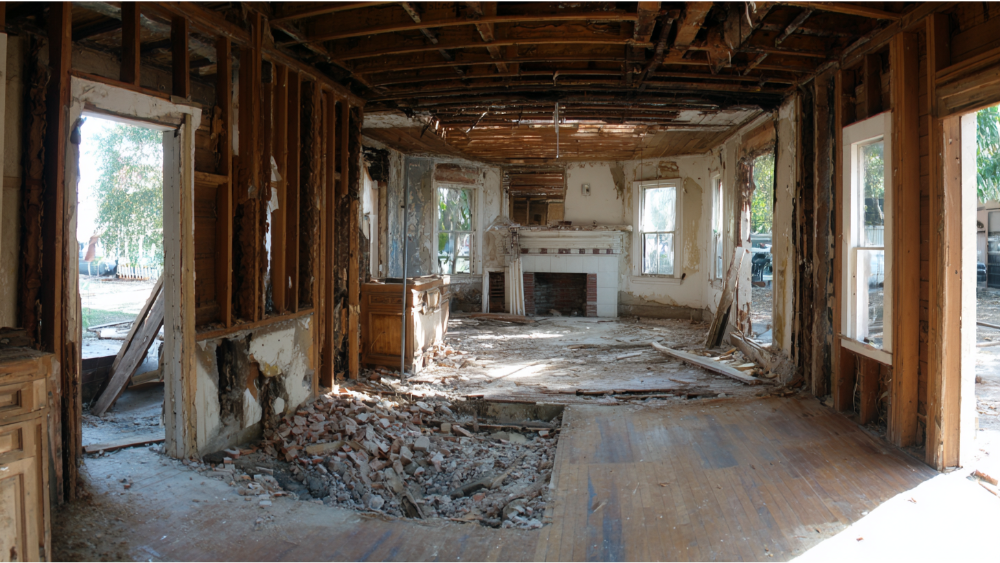
Homeowners often ask the same question before a remodel begins, how do you protect the rest of the home during demolition? Demolition is an unavoidable part of any renovation, especially during kitchen and bathroom upgrades, but it does not have to mean uncontrolled dust, damaged floors, or unsafe living space. The demolition phase creates dust, debris, and airborne particles that can move quickly through a house if not controlled properly. At Capital Construction, protecting the rest of the house is treated as a core part of the demolition process, not an optional step. With the right plan, materials, and control methods, demolition work can be handled in a way that protects air quality, limits dust spread, and keeps homeowners comfortable throughout the project.
Why Home Protection Matters During Demolition
Demolition introduces dust particles into the air almost immediately. When walls, tile, drywall, and flooring are removed, demolition dust becomes airborne and travels beyond the work area. Without dust control measures in place, this dust can settle on furniture, penetrate carpet, and move through doors into rooms that are not part of the renovation. Protecting the rest of the home is about maintaining safety, preserving materials, and keeping the house functional during the project.
Demolition Dust Is More Than Just a Mess
Demolition dust is made up of fine dust particles that stay suspended in the air for long periods of time. These harmful particles can affect air quality and create long term cleanup challenges. Dust spread is one of the biggest risks during interior demolition, especially when power tools are used. Proper dust containment is the only way to prevent dust from migrating into the rest of the house.
Health and Safety Concerns for Families and Pets
Airborne dust and airborne particles can irritate lungs and eyes, especially for children, pets, and anyone with allergies. In some homes, hazardous substances or hidden hazards may be present behind walls or under floors. Proper protection creates a safer environment and reduces exposure to harmful particles throughout the demolition phase.
Preventing Costly Damage Outside the Work Area
Dust and debris can scratch floors, stain carpet, and damage furniture. When dust settles into porous materials, it becomes difficult to remove and may require professional cleaning. Protecting the rest of the home helps homeowners save money and prevents unnecessary repairs after the renovation is complete.
Pre-Demolition Planning: Protection Starts Before the First Hammer
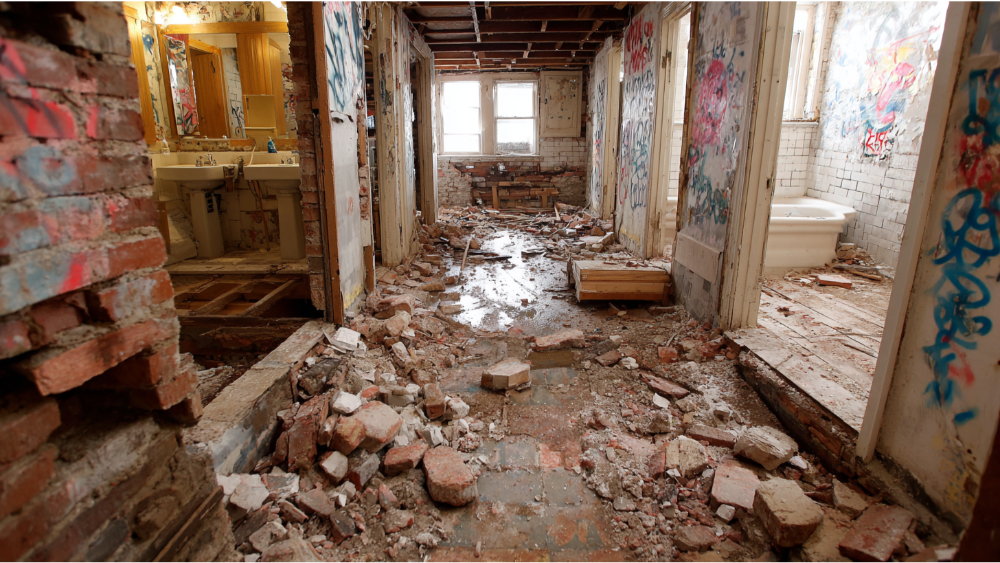
A dust free demolition begins with planning. Before demolition starts, the contractor should evaluate the house, identify access points, and create a plan that protects the living space. This planning stage is essential for controlling dust levels and maintaining structural integrity during demolition work.
Home Assessment and Work Zone Mapping
Each project begins with identifying the work zone and defining the boundaries between the work area and the rest of the house. Hallways, doors, and adjacent rooms are evaluated to determine how debris will be removed and how protective barriers will be installed. This plan allows full access for workers while keeping the rest protected.
Identifying Special Risks in the Home
Older homes, open layouts, and multi story houses require different dust control strategies. Pre 1978 homes may contain hazardous substances, while open floor plans allow dust to travel more freely. Identifying these risks early allows the contractor to create effective dust control measures.
Communicating Expectations With Homeowners
Homeowners should understand which rooms will be affected, how long the demolition phase will last, and what areas should be avoided. Clear advice and communication help homeowners plan their routines and rest easy knowing the house is being protected.
How Professionals Contain the Demolition Area
Containment is the backbone of dust free demolition. Without proper dust containment, even small demolition projects can affect the entire house.
Full Containment Barriers and Plastic Sheeting
Plastic sheeting is installed from floor to ceiling to isolate the work zone. These protective barriers are sealed at all edges to prevent dust from escaping. Plastic sheeting combined with painter’s tape creates an effective seal around doors and openings.
Zipper Doors and Controlled Access Points
Controlled access points allow workers to move in and out of the work area without releasing dust into the rest of the house. Doors are covered and sealed so that demolition dust stays contained within the work zone.
Floor and Surface Protection Outside the Work Zone
Ram board and other protective materials are used to cover floors along access paths. This protects flooring from debris and prevents dust from embedding into carpet or scratching hard surfaces. Covering floors is one of the most important steps in protecting the house.
Controlling Dust and Airflow During Demolition
Dust control is not only about barriers. Airflow must be controlled to prevent airborne dust from escaping the work area.
Negative Air Pressure and Exhaust Ventilation
Negative air machines are used to control airflow during demolition. These machines pull air from the work area and exhaust it outside, preventing dust spread into the rest of the house. Negative air machines are a critical tool for maintaining dust free conditions and controlling air movement.
HEPA Filtration and Air Filters
Air filters and negative air machines equipped with HEPA systems capture fine dust particles before they can circulate. Hepa filtered vacuums are also used to clean surfaces and control airborne dust during demolition work. These systems help maintain acceptable air quality throughout the project.
HVAC System Protection
Vents in and near the work area are sealed to prevent dust from entering the HVAC system. This prevents dust from spreading through the house and protects long term air quality after the renovation.
Daily Jobsite Practices That Protect Your Home
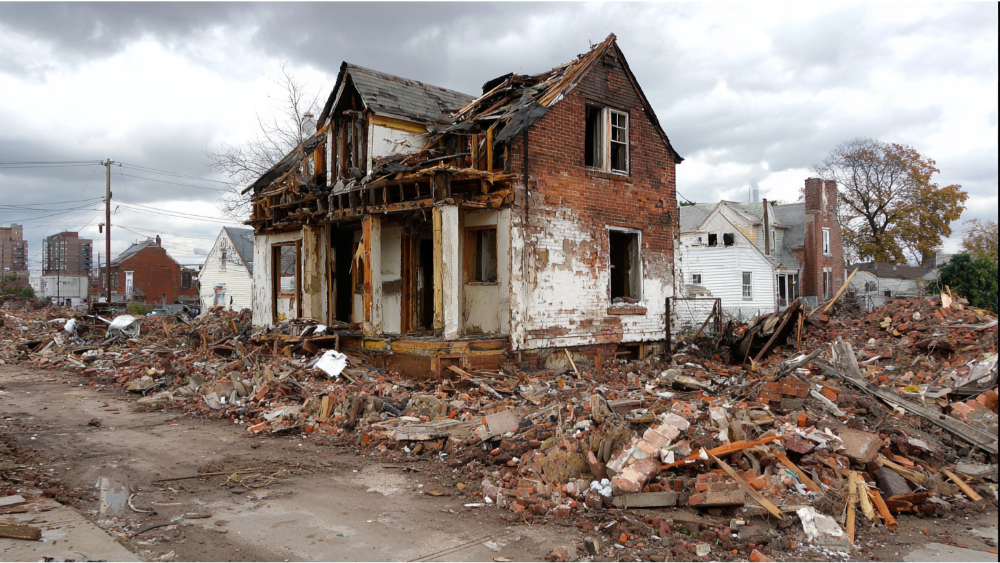
Daily habits on the site have a major impact on dust levels and cleanliness.
Clean As You Go Demolition
During demo work, debris is removed frequently instead of being allowed to accumulate. This approach helps suppress dust and reduces airborne dust during the demolition phase.
Proper Debris Removal and Disposal
Debris is transported through protected pathways and removed from the site regularly. Covering materials during transport prevents dust from spreading through doors and hallways.
Worker Protocols That Reduce Mess
Workers use dust masks, shoe covers, and designated access paths. Hand tools are used when possible to reduce dust, while power tools are paired with dust control equipment to limit airborne particles.
Special Considerations for Kitchen vs Bathroom Demolition
Different rooms create different dust challenges.
Protecting the Home During Kitchen Demolition
Kitchen demolition involves cabinets, tile, drywall, and flooring, all of which create significant demolition dust. Extra dust containment is required to protect adjacent living space and furniture.
Bathroom Demolition in Occupied Homes
Bathroom demolition includes tile removal and plumbing work that creates fine dust. Protective barriers and dust control measures help keep other rooms clean and usable during the project.
What Homeowners Can Do to Help Protect Their Space
Homeowners play a role in keeping the rest protected.
Clearing Adjacent Rooms
Removing furniture and personal items from nearby rooms reduces the risk of dust settling on valuable items.
Planning Temporary Living Adjustments
During demolition, homeowners may choose alternate access routes or temporary setups for a few months depending on the project size. This helps maintain comfort during construction.
Communicating Concerns Early
Sharing concerns about allergies, pets, or access needs allows the contractor to adjust the plan and improve protection.
Common Mistakes That Lead to Dust and Damage
Many issues arise from poor planning.
Skipping Proper Containment
Without full dust containment, dust spread becomes inevitable. Partial barriers do not provide real protection.
Relying on Cleanup Instead of Prevention
Cleanup alone cannot remove all dust once it spreads. Prevent dust by sealing and controlling airflow from the start cleaning phase onward.
Hiring Contractors Without a Clear Protection Plan
A professional contractor should explain how they will protect floors, walls, and air quality before demolition begins.
How Capital Construction Protects Sacramento Homes During Demolition
Protection is built into every project.
Our Pre Demo Protection Checklist
Each project includes containment setup, sealing doors, covering floors, installing negative air machines, and verifying dust control measures before demolition starts.
Respect for Occupied Homes
Many homeowners remain in the house during renovation. The goal is to create a dust free environment outside the work area and preserve the rest of the living space.
Local Experience With Sacramento Homes
Understanding local construction styles allows better control of demolition and protection of structural integrity.
Frequently Asked Questions About Demolition Protection
Can I live in my home during demolition?
In many cases yes. With proper dust control and protection, the rest of the home can remain functional.
How do contractors keep dust out of bedrooms?
By sealing doors, using plastic sheeting, controlling air flow, and operating negative air machines.
Will demolition damage my floors or furniture?
With ram board, protective materials, and proper planning, damage is preventable.
How long does the demolition phase usually last?
Most demolition phases last several days, though larger projects may take longer.
What if my home was built before 1978?
Additional safety steps are taken to address hazardous substances and hidden hazards.
Final Thoughts: A Cleaner, Safer Remodel Starts With the Right Contractor
A successful renovation starts with controlled demolition. By using dust control, dust containment, protective barriers, and proper airflow management, it is possible to protect the rest of the home throughout the demolition process. Homeowners deserve a contractor who prioritizes safety, protection, and cleanliness from day one. Choosing an experienced construction team allows homeowners to focus on the fun parts of the project while resting easy knowing their house, floors, walls, air, and furniture are protected. For homeowners planning a remodel, requesting a free quote and discussing protection strategies early helps ensure a smooth project from demolition to completion.