How Do You Prevent Leaks and Water Damage in Showers?
Homeowners often ask, how do you prevent leaks and water damage in showers, especially after seeing how quickly a small issue can turn into a bigger problem. At Capital Construction, we have rebuilt countless showers across Sacramento where leaks were ignored until they caused serious structural damage. A properly built shower protects your home from constant exposure to water, controls moisture, and creates a watertight barrier that lasts for years. Preventing shower leaks is not about one product or quick fix. It requires smart design, professional installation, regular maintenance, and attention to details like sealing, doors, and ventilation.
Why Shower Leaks Are More Common Than Homeowners Realize
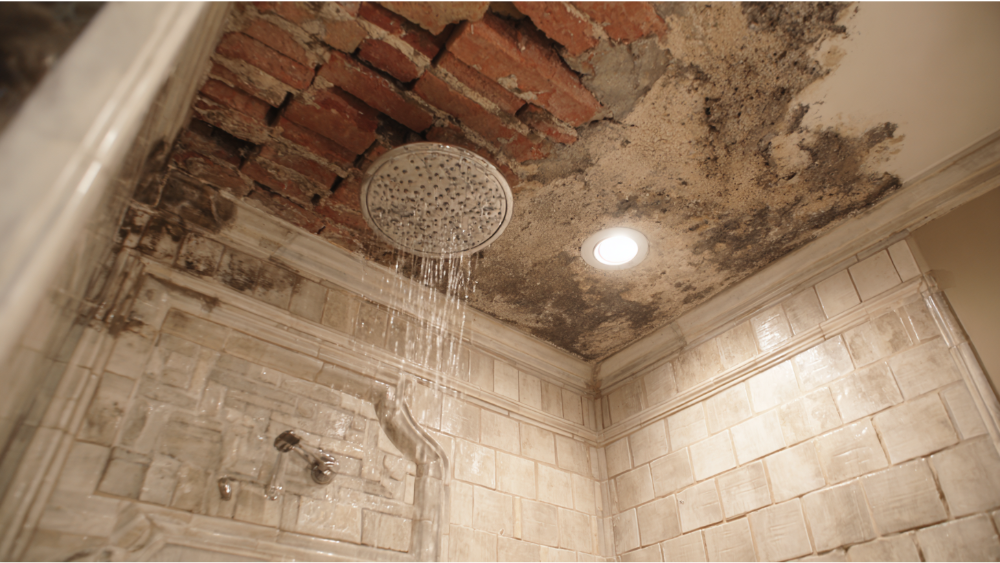
Shower leaks are far more common than most homeowners expect. Many leaks do not show up as water dripping onto the bathroom floor. Instead, water seeps behind tiles, under the floor, or inside walls. This hidden leak can go unnoticed for months while moisture spreads. Over time, that moisture leads to mold growth, peeling paint, and weakened framing. In our experience, most bathroom leaks start small, but constant exposure to water turns them into costly repairs.
The Most Common Warning Signs of a Leaking Shower
Some signs of shower leaks are easy to miss. A musty smell in the bathroom, grout that stays dark, or caulk that keeps cracking are all red flags. Other signs include water dripping where it should not be, stains on the ceiling below, or an unexpected increase in your water bill. Even a small leak around the shower door frame or door seals can allow water inside the wall cavity. These small problems often create a bigger problem if ignored.
The Truth About Tile, Grout, and Waterproofing
Tiles make a shower look finished, but they are not what keep water out. Tile, grout, and even stone surfaces allow moisture to pass through. Grout is porous, and hairline cracks happen naturally with wear. Relying on grout or old caulk to stop a water leak is a common mistake. Proper sealing and a true waterproof system behind the surface are essential to prevent water damage.
What Actually Keeps Water Out of Your Walls
A leak free shower depends on a continuous watertight barrier behind the surface materials. This barrier directs water flow back to the drain and keeps water from reaching walls and the floor structure. When the barrier is incomplete, water pooling occurs and moisture buildup begins. Over time, this leads to bathroom water damage that can affect nearby rooms.
Proper Shower Design Is the First Line of Defense
Design plays a major role in preventing leaks. The shape, size, and layout of the shower area all influence how water behaves. Poor design creates areas where water collects or escapes. A well designed shower manages water flow, reduces wear on materials, and protects surrounding surfaces.
Why Shower Slope Matters More Than Most People Think
Proper slope ensures that water moves toward the drain instead of sitting on the floor or curb. When slope is incorrect, water pooling becomes common, especially near the edge of the shower or along the door. Standing water increases moisture and speeds up deterioration of grout, caulk, and seals. Over time, this can cause leaks that travel under the floor or into walls.
Shower Curbs, Benches, and Niches: Where Most Failures Happen
Curbs, benches, and niches experience constant exposure to water. These surfaces must be built and sealed correctly to prevent leaks. Fasteners driven through a curb or improper sealing around a niche are common root cause issues. Once water gets inside these areas, it spreads quickly and causes water damage that often requires a full rebuild.
Choosing the Right Shower Waterproofing System
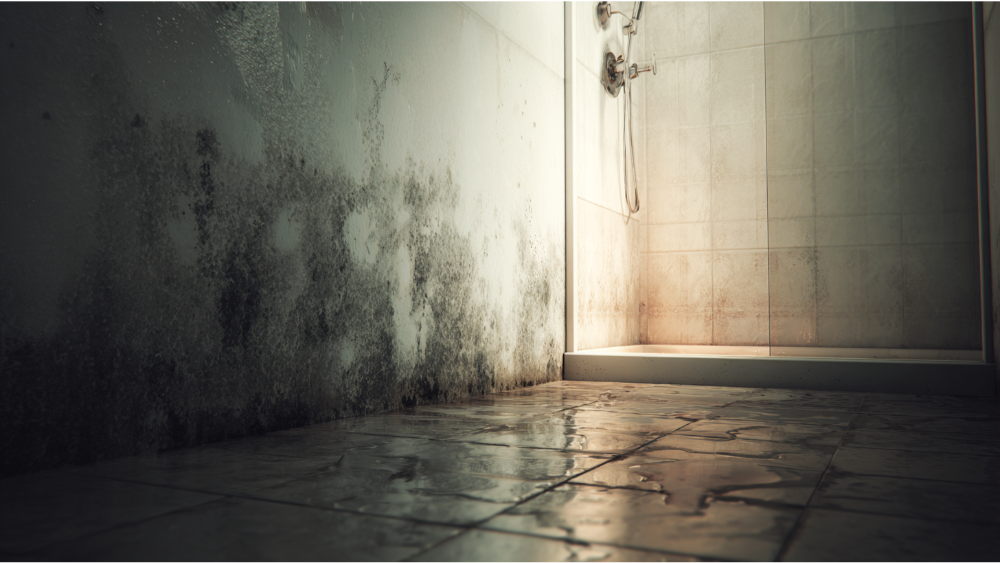
Preventing shower leaks requires choosing one complete waterproofing approach and following it precisely. Mixing methods or skipping steps creates weak points. A professional installation creates a watertight barrier that works as a system, not as separate parts.
Surface-Applied vs. Traditional Waterproofing Methods
Both surface applied and traditional systems can create a leak free shower when installed correctly. The difference lies in how water is managed. Surface systems keep water at the surface level, while traditional systems allow water to pass through to a protected layer below. In both cases, sealing and detailing are essential to prevent water from escaping the shower.
Waterproofing Must Be Continuous, No Gaps, No Shortcuts
Every corner, edge, and penetration must be sealed. Gaps around plumbing fixtures, cracks at changes in plane, or worn caulk can allow water to seep behind the surface. Silicone caulk is often used at transitions, but it must be applied correctly and maintained. Proper sealing protects against moisture buildup and long term leaks.
Drainage and Weep Protection: The Hidden System Homeowners Never See
Drainage is a critical part of leak prevention. Water inside the shower must have a clear path out. When drainage fails, water accumulates under the surface and leads to hidden damage.
Why Improper Drain Installation Leads to Saturated Shower Floors
Blocked drainage causes water to remain inside the shower base. This constant moisture leads to mold, odors, and deterioration of materials. Over time, the floor becomes saturated and leaks develop beyond the shower area. These issues often show up as bathroom leaks or ceiling stains in rooms below.
Shower Doors and Their Role in Preventing Leaks
Shower doors play a major role in keeping water inside the shower. A poorly installed shower door allows water dripping outside the enclosure, leading to bathroom water damage. Glass shower doors must be sized and installed for a perfect fit to prevent leaks.
Glass Shower Doors vs Other Door Options
Glass doors are popular for their clean look, but they require precise installation. Frameless doors and framed options both rely on door seals and proper alignment. When glass doors are not installed correctly, water escapes at the edge or under the door. This can create a constant wet floor and damage nearby surfaces.
Shower Door Frame, Door Seals, and Proper Sealing
The shower door frame and door seals are common leak points. Over time, seals wear out and caulk breaks down. Replacing seals and maintaining caulk helps prevent leaks. Old caulk should be removed and replaced to maintain a leak free condition. Proper sealing around the door is essential to protect the bathroom floor and walls.
Ventilation and Moisture Control Outside the Shower
Excess moisture does not stay contained in the shower. Steam spreads throughout the bathroom and settles on walls, ceilings, and fixtures. Without proper ventilation, moisture buildup leads to mold and peeling paint.
The Importance of a Bathroom Fan
A properly sized bathroom fan removes humid air and reduces moisture levels. Running the fan during and after shower use helps prevent water damage and protects surfaces. Poor ventilation is a common cause of most bathroom leaks related to condensation rather than plumbing.
Quality Control Steps That Prevent Costly Shower Failures
Professional construction includes steps that protect homeowners from future problems. These steps catch small issues before they turn into costly repairs.
Flood Testing and Pre-Tile Inspections
Testing the shower before tile installation confirms that the waterproof system is leak free. Skipping this step increases the risk of a hidden leak that will not appear until serious damage has occurred.
Why Experience Matters More Than Materials
Experience allows contractors to identify potential failure points. Knowing how sealing, drainage, and surfaces work together helps prevent leaks and ensures long term safety and performance.
Common Shower Leak Mistakes We See in Sacramento Remodels
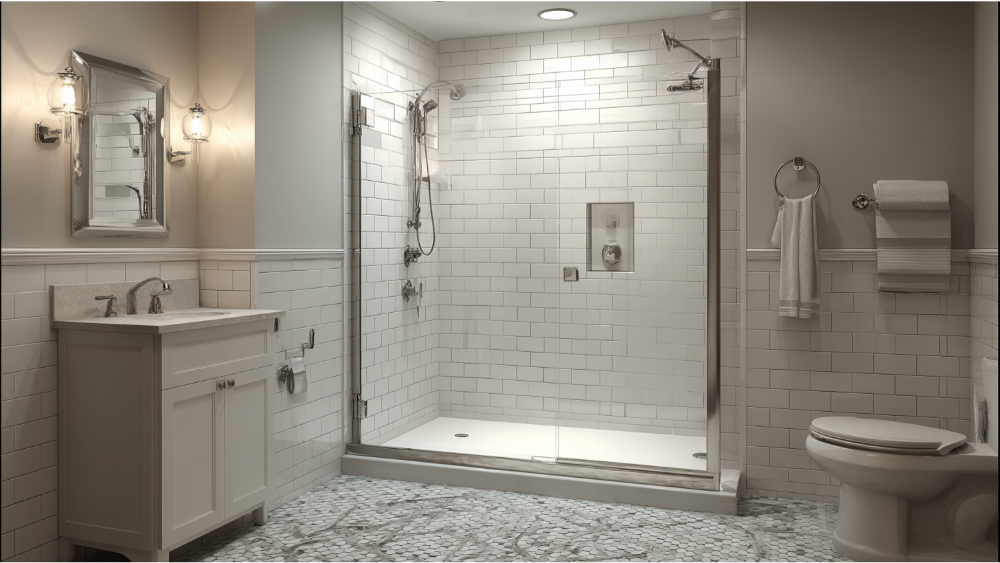
Many problems come from poor installation or lack of maintenance. Flat floors, missing sealing at edges, and worn door seals are frequent issues. Older homes often have outdated plumbing and framing that need to be addressed during a remodel.
Why Repairs Often Turn Into Full Shower Rebuilds
Once water damage spreads behind walls or under the floor, surface repairs are rarely enough. Mold, rot, and structural damage require removing the shower to fix the root cause. Addressing small problems early can prevent a full rebuild.
How to Protect Your Home When Planning a Shower Remodel
Homeowners can protect their investment by asking questions and planning ahead. Understanding how the shower will be built, sealed, and maintained helps prevent leaks and water damage.
Questions to Ask Your Contractor About Shower Waterproofing
Ask about the waterproof system, sealing methods, door installation, and testing procedures. Clear answers show a commitment to quality and safety.
Bathroom Maintenance Tips to Prevent Leaks
Regular inspections and maintenance play a big role in preventing leaks. Checking caulk, grout, and door seals helps catch wear early. Replacing seals, cleaning drains, and monitoring moisture levels reduce the risk of a small leak becoming a big deal.
The Role of Regular Inspections
Inspecting the shower, tub, toilet, and surrounding surfaces helps identify cracks, seeping, or dripping. Addressing these signs early helps prevent bathroom leaks and protects your home.
When to Call a Professional for Shower Leak Concerns
If you notice ongoing moisture, water dripping, or damage spreading beyond the shower, it is time to call a professional. Early evaluation can save money and prevent serious water damage.
FAQs: Preventing Shower Leaks and Water Damage
Can a shower leak even if it looks fine?
Yes, a hidden leak can exist behind tiles or inside walls without visible signs. These leaks often go unnoticed until significant damage occurs, making regular inspections essential to catch problems early.
Is caulk enough to stop leaks?
Caulk helps with sealing, but it is not a substitute for a proper waterproof system. While caulk fills small gaps and prevents surface moisture, a continuous waterproof barrier behind tiles is necessary for long-term protection.
Do glass shower doors increase leak risk?
Glass doors work well when installed correctly with proper door seals and alignment. Poor installation or worn seals can cause leaks, so maintenance and timely replacement of seals are important to keep the shower leak free.
How often should bathroom maintenance be done?
Basic maintenance should be done regularly, with detailed inspections at least once a year. Frequent checks of grout, caulk, and door seals help prevent small issues from becoming costly repairs.
Why do small leaks matter?
Small leaks create moisture that leads to mold, damage, and costly repairs if ignored.
Preventing Shower Leaks Starts With Proper Construction and Care
Preventing leaks and water damage in showers requires proper design, professional installation, effective sealing, and ongoing maintenance. From the shower door to the drain, every component must work together to protect your home. At Capital Construction, we focus on building and remodeling showers that stay leak free, protect against moisture, and deliver long term peace of mind for Sacramento homeowners.