Do I Need Inspections for a Bathroom Remodel in Sacramento?
If you are planning a bathroom remodel in Sacramento, it is completely normal to ask, do I need inspections for a bathroom remodel. For most homeowners, the permitting process and inspections feel confusing, especially when you are focused on creating a beautiful, functional space. The truth is that many bathroom remodeling projects do require inspections, and those inspections are tied directly to permits issued by the local building department. Knowing when a permit is required, what inspections involve, and how the process works helps homeowners avoid delays, costly fines, and unpermitted work.
At Capital Construction, we guide Sacramento homeowners through the entire permitting process for bathroom renovations. Our role is to ensure every bathroom remodel is fully compliant with local building codes and safety standards, while keeping the project efficient and stress free. This guide explains exactly when inspections are required, why permits matter, and how the process protects your home and investment.
Why Bathroom Remodel Inspections Exist and Why They Matter
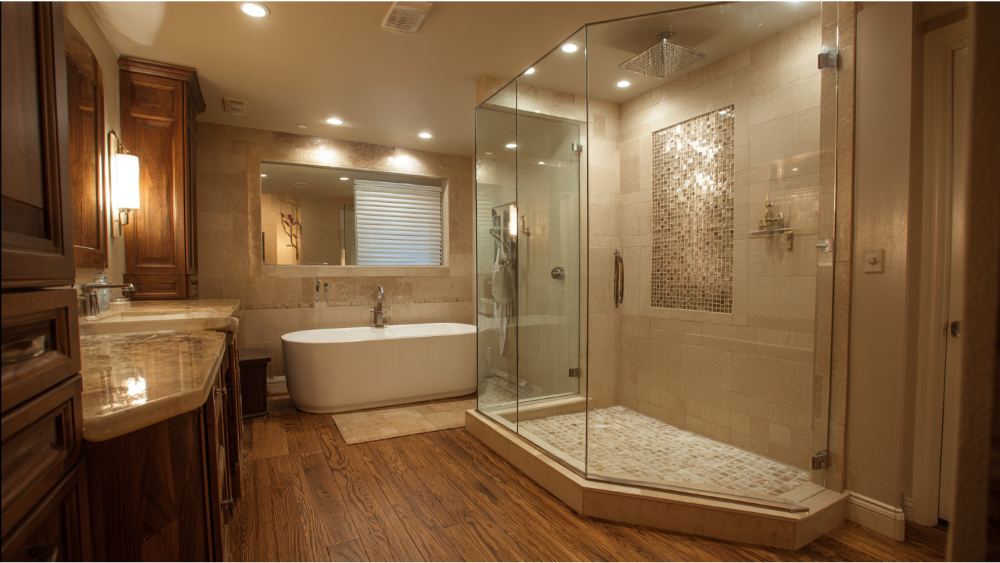
Bathroom inspections exist to protect homeowners and their property. A bathroom remodel involves systems that directly impact safety, including plumbing, electrical systems, ventilation, and sometimes structural components. Inspections verify that the work complies with building codes and safety codes adopted by local government.
Inspectors check that plumbing work is installed correctly to prevent leaks and water damage. Electrical inspections ensure light fixtures, outlets, and wiring meet safety standards. Mechanical inspections confirm ventilation systems remove moisture properly. When structural changes are involved, inspections confirm that walls, framing, and load bearing elements are safe and properly supported.
Beyond safety, inspections protect homeowners financially. Permitted and inspected work supports resale value, simplifies disclosures, and reduces the risk of costly issues after the remodel is complete. A building permit and inspection also demonstrate that the work complies with strict building codes enforced by the building department.
When a Building Permit and Inspections Are Required for a Bathroom Remodel
Inspections are typically required when a permit is required. In Sacramento, permits are issued whenever the remodel involves changes to systems behind the walls or alterations to the structure. Cosmetic upgrades alone rarely require permits, but many bathroom remodel projects go beyond surface level changes.
Plumbing Changes
Plumbing work is one of the most common reasons a bathroom remodel requires inspection. A plumbing permit is typically required when installing new plumbing fixtures, relocating plumbing lines, replacing a shower pan, converting a tub to a shower, or modifying drain or vent systems. Even if fixtures remain in the same location, the project scope may still trigger permit requirements depending on what is being installed.
Plumbing inspections verify proper pipe sizing, venting, drain slope, and approved materials. These inspections ensure water flows correctly and prevent leaks inside walls and floors. Any bathroom remodel that includes new plumbing fixtures or altered plumbing usually requires permits and inspections.
Electrical Work
Electrical work in a bathroom almost always requires an electrical permit. Adding outlets, relocating outlets, installing new light fixtures, upgrading exhaust fans, or modifying circuits all require inspection. Bathrooms have specific requirements for GFCI protection, lighting clearances, and moisture protection.
Electrical inspections confirm that electrical systems are safe, properly grounded, and installed to code. This protects homeowners from fire hazards and electrical failures. Even small electrical changes during a bathroom remodel can require permits.
Ventilation and Mechanical Updates
A bathroom remodel often involves ventilation upgrades. Installing a new fan, replacing an existing fan, or modifying ducting requires a mechanical permit. Inspectors verify airflow, duct routing, and termination points to ensure moisture is expelled outside the home.
Mechanical systems play a major role in preventing mold and long term moisture damage. Proper ventilation is a key focus of inspections during bathroom remodeling projects.
Structural or Layout Changes
When a bathroom remodel involves structural changes, inspections are mandatory. Moving walls, modifying room layouts, expanding the bathroom’s footprint, or altering framing requires a building permit and inspection. If the remodel involves structural elements such as load bearing walls, inspections ensure the structure remains safe.
Structural inspections verify framing methods, connections, and compliance with local building codes. Even minor wall changes can trigger permit requirements if the walls affect structure or layout.
When Inspections Are Usually Not Required
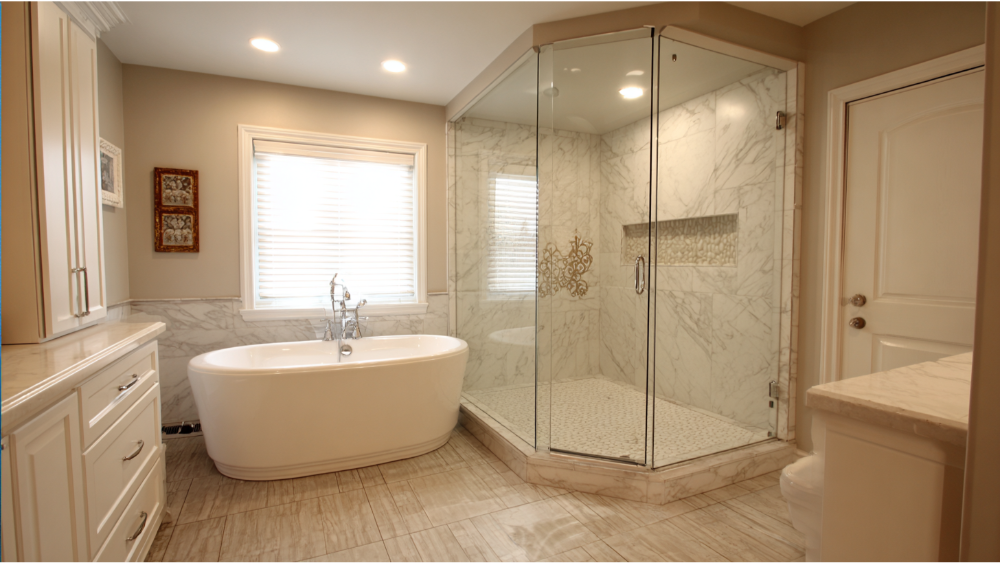
Not every bathroom remodel requires inspections. Projects limited to cosmetic improvements may not need permits when no regulated systems are affected.
Cosmetic Only Bathroom Updates
Painting walls, applying a fresh coat of paint, replacing tile without altering waterproofing systems, installing new cabinets, or swapping countertops typically do not require permits. These updates do not affect plumbing, electrical systems, or mechanical systems.
Like for Like Fixture Replacements
Replacing plumbing fixtures in the same location, such as a toilet or faucet, may not require a permit if no plumbing work is altered. However, homeowners should be cautious. If installation affects pipes, valves, or drains, permits may still be required. When in doubt, checking with the local building department is always recommended.
Bathroom Remodel Permits vs Inspections Explained
A building permit is official approval from the building department to perform regulated work. An inspection is the process used to verify that the work complies with building codes and permit requirements. Permits come first, inspections follow throughout the project.
The permit ensures that plans meet code before work begins. Inspections ensure that the work complies at each stage. Skipping permits often leads to inspection issues later, especially during resale or insurance claims. Proper permits protect homeowners from serious consequences tied to unpermitted work.
Sacramento Specific Inspection Requirements Homeowners Should Know
Local regulations matter. Permit requirements and inspection processes vary depending on whether a home is within city limits or in an unincorporated area.
City of Sacramento vs Sacramento County
Homes located within City of Sacramento follow city permit and inspection procedures. Homes in unincorporated areas follow county processes. While both enforce building codes and safety standards, timelines and specific requirements may differ.
Working with a licensed contractor familiar with the local building department helps ensure the right permits are obtained and inspections are scheduled correctly.
Typical Bathroom Remodel Inspection Stages
Most bathroom remodel projects involve multiple inspections. Rough plumbing inspections occur before walls are closed. Rough electrical inspections verify wiring, outlets, and light fixtures. Mechanical inspections review ventilation systems. Final inspections confirm that the entire remodeling project is complete and compliant.
What Inspectors Look for in a Bathroom Remodel
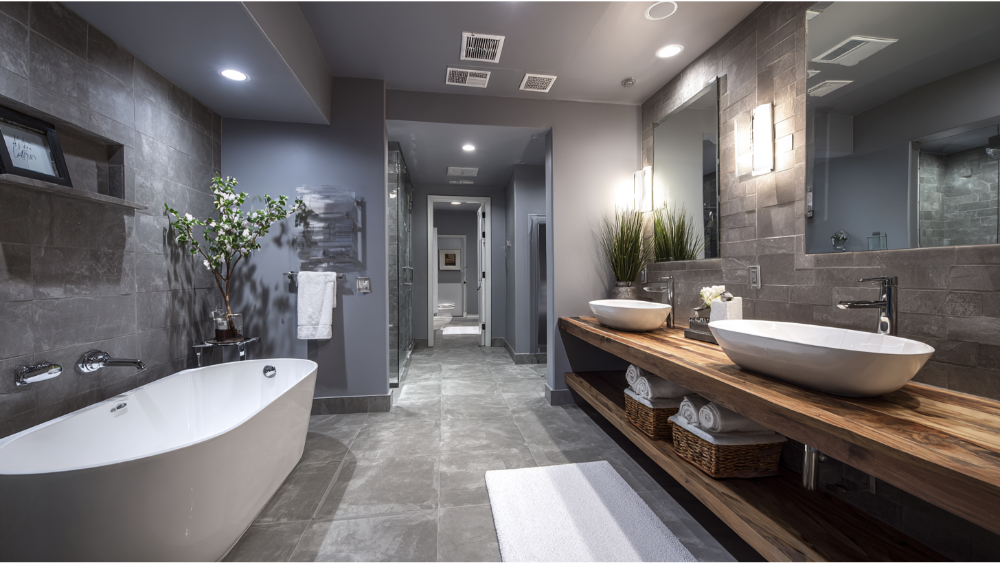
Inspectors focus on safety, durability, and compliance.
Plumbing Code Compliance
Plumbing inspections verify drain slope, venting, approved materials, and water efficiency. Inspectors also check connections for leaks and proper installation.
Electrical Safety
Electrical inspections ensure outlets are protected, circuits are sized correctly, and light fixtures are installed safely. Bathrooms have strict electrical safety requirements due to moisture exposure.
Ventilation and Moisture Control
Inspectors confirm that fans are properly sized and vented outside the home. This protects the bathroom and surrounding walls from moisture damage.
Waterproofing and Tile Preparation
Waterproofing systems in showers and tubs are inspected to prevent leaks. Shower pans, membranes, and drain connections must meet code before tile is installed.
What Happens If You Skip Inspections
Skipping inspections can lead to serious consequences. Homeowners may face costly fines, forced removal of finished work, or denied insurance claims. During a home sale, unpermitted work often causes delays or failed transactions.
Unpermitted work can also create safety risks and costly issues that surface years later. Correcting problems after the remodel is complete is almost always more expensive than doing it correctly from the start.
How a Licensed Contractor Simplifies the Inspection Process

A licensed contractor manages the permitting process from start to finish. This includes obtaining permits, coordinating with the building department, and preparing the site for inspections.
Contractors ensure that work complies with local building codes and safety standards. They schedule inspections at the correct stages and address inspector feedback quickly. This approach keeps the project moving and reduces delays.
Bathroom Remodel Inspections and Home Value
Permitted and inspected bathroom renovations protect home value. Buyers prefer homes where remodeling work was completed with proper permits. Appraisers recognize permitted improvements, and disclosures are simpler.
A bathroom remodel that complies with building codes adds confidence for future homeowners and lenders. Inspections ensure the work is fully compliant and professionally executed.
Frequently Asked Questions About Bathroom Remodel Inspections
Do I need an inspection if I am just replacing a shower
In most cases, yes. Shower replacements typically require permits and inspections due to plumbing and waterproofing requirements.
Can I remodel a bathroom without a permit in Sacramento
Only cosmetic updates without system changes may be exempt. If the project requires plumbing, electrical, mechanical, or structural work, you need a permit.
How long do bathroom remodel inspections take
Most inspections take less than thirty minutes when the project is ready. Scheduling depends on the building department.
How much do permits and inspections cost
Permit costs vary based on project scope. They are usually a small portion of the total remodel budget.
Will inspections delay my remodel
When planned correctly, inspections rarely cause delays. Proper scheduling keeps the process efficient.
What happens if an inspection fails
Corrections are required and a reinspection is scheduled. Working with an experienced contractor reduces this risk.
Final Thoughts Do I Need Inspections for a Bathroom Remodel
So, do I need inspections for a bathroom remodel. In most cases, yes, especially when the remodel involves plumbing, electrical work, ventilation, or structural changes. Inspections are a critical part of ensuring your bathroom remodel is safe, durable, and compliant with local building codes.
At Capital Construction, we manage permits, inspections, and the entire remodeling process so homeowners can focus on creating their dream space. A properly permitted and inspected bathroom remodel protects your home, your investment, and your peace of mind.