What Sacramento Homeowners Should Know
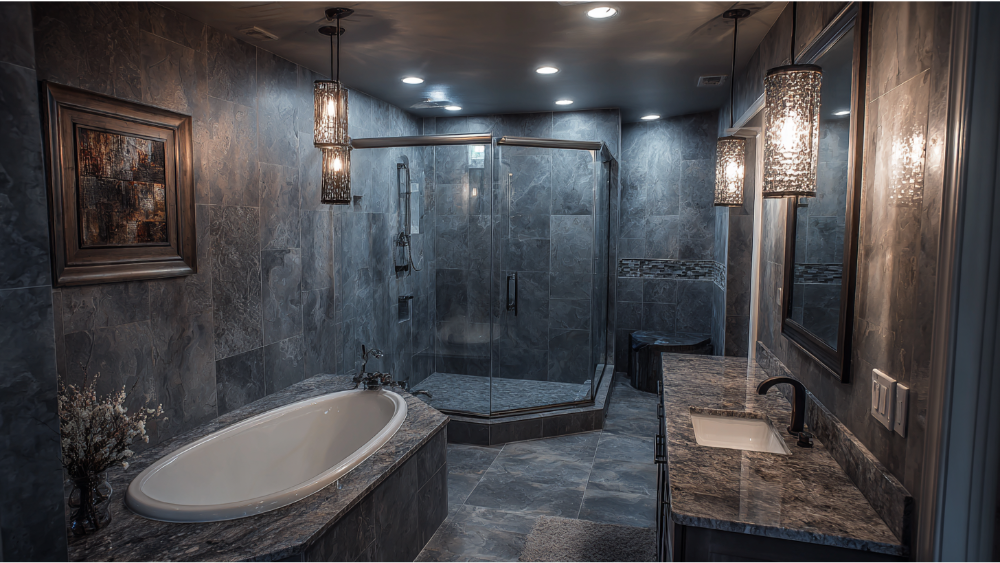
Can you remodel a bathroom without moving plumbing? For many homeowners, the answer is yes. A well planned bathroom remodel can deliver dramatic results while keeping the existing plumbing exactly where it is. At Capital Construction, we regularly complete projects across Sacramento that prove you do not need to move pipes or drains to create a beautiful, functional, and modern bathroom. By working with the existing plumbing, homeowners can save money, reduce risk, and still achieve a space that feels completely new.
This article explains how a bathroom remodel works without relocating plumbing, what upgrades are possible, when moving plumbing becomes unavoidable, and how to plan a complete bathroom remodel that respects your budget and your home.
What “Not Moving Plumbing” Actually Means in a Bathroom Remodel
When homeowners talk about remodeling a bathroom without plumbing changes, they are usually referring to keeping the existing plumbing rough ins in place. This includes the drain line locations, water supply connections, and venting tied to each fixture.
Understanding Existing Plumbing
Existing plumbing includes the supply pipes that bring water to the sink, toilet, and shower, as well as the drain pipe and vent system that remove wastewater. When these plumbing lines stay in the same location, the bathroom layout remains unchanged even though the finishes, fixtures, and materials are updated.
Like for Like Remodeling Versus Layout Changes
A like for like remodel keeps the sink, toilet, tub, and shower in their original positions. This avoids moving major plumbing and limits the need for rerouting pipes or installing new plumbing. A layout change, on the other hand, involves moving fixtures, adjusting drain lines, and often opening floors or walls, which increases costs and complexity.
Why Homeowners Choose to Keep Plumbing in Place
Keeping plumbing in place is one of the most effective ways to control costs during a bathroom remodel.
Cost Savings and Budget Control
Plumbing work is labor intensive and often triggers permits and inspections. By avoiding moving plumbing, homeowners save money on labor, materials, and inspection fees. This makes it easier to stay within budget and allocate money toward visible bathroom upgrades like tile, lighting, and cabinetry.
Faster Remodeling Timelines
When plumbing lines remain unchanged, demolition is more limited. Contractors can install new fixtures, flooring, and wall finishes without waiting on inspections or repairs tied to major plumbing changes. This shortens the overall remodeling timeline and reduces disruption to the house.
Ideal for Guest Baths and Hall Bathrooms
Secondary bathrooms often have layouts that already function well. Updating the bathroom without relocating plumbing allows homeowners to refresh the space without unnecessary expense, especially when the goal is resale or improving everyday comfort.
What You Can Change Without Moving Plumbing
Many homeowners are surprised by how much can be accomplished without touching the plumbing system.
Vanity, Sink, and Countertop Upgrades
Replacing a vanity is one of the easiest ways to transform a bathroom. A new vanity can improve storage, update style, and support a new sink without changing the existing drain line. As long as the drain and water supply remain aligned, a new vanity can be installed with minimal plumbing work.
Toilet Replacement Using the Same Flange
An old toilet can be replaced with a modern, water efficient model while keeping the existing drain connection. Comfort height toilets and updated designs improve usability without altering the drain pipe or supply pipes.
Tub and Shower Remodels in the Same Footprint
A tub or shower can be fully updated without moving the tub drain or shower drain. Homeowners can replace a bathtub with a walk in shower if the drain location works with the new configuration. Tile, fixtures, glass enclosures, and built in niches all add value without requiring new plumbing.
Flooring, Tile, and Wall Finishes
New flooring and tiles have a huge impact on how a bathroom looks and feels. Vinyl flooring, porcelain tile, and natural stone are popular materials that work well in wet environments. Walls can be refreshed with tile, mildew resistant paint, or decorative accents to completely change the room.
Lighting, Mirrors, and Ventilation
Updating light fixtures, adding task lighting, and installing a larger mirror can make a bathroom feel brighter and more spacious. These improvements do not affect plumbing and are often combined with electrical work to improve functionality.
Accessories and Details
Small details like towel racks, faucet handles, and new fixtures help tie the design together. These updates enhance everyday use without affecting the plumbing system.
When You Cannot Avoid Plumbing Changes
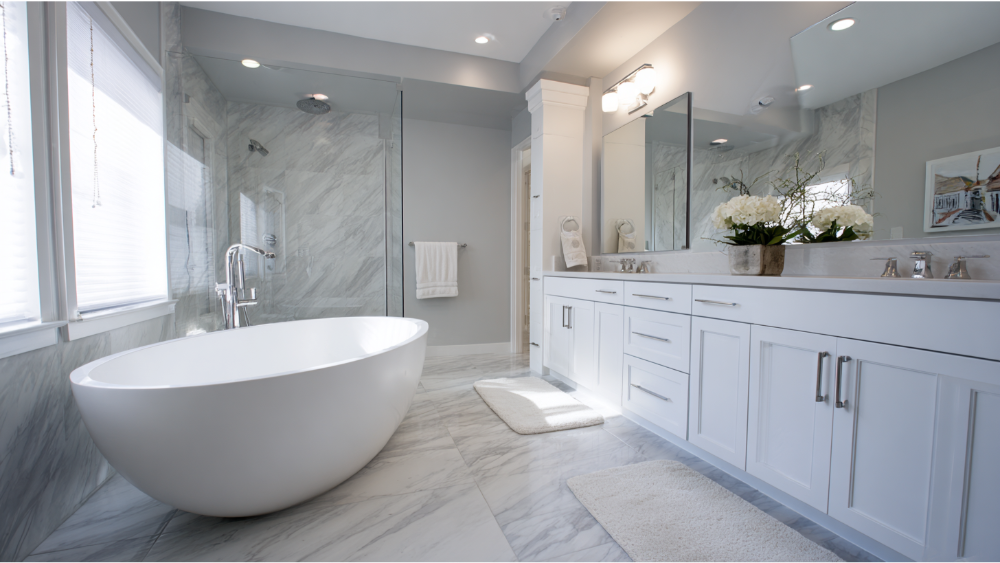
While many bathrooms can be remodeled without moving plumbing, there are situations where changes become necessary.
Moving a Toilet or Shower Drain
Relocating a toilet or shower almost always involves moving plumbing. Toilets rely on gravity and specific drain line placement, making them difficult to move without major plumbing work. This is especially true in slab foundation homes.
Expanding or Reconfiguring the Layout
If homeowners want to completely change the layout by adding a larger shower, double sink vanity, or separate tub and shower, plumbing lines often need to be adjusted. These changes require careful planning and typically increase costs.
Older Homes and Hidden Issues
In older houses, opening walls may reveal aging pipes, outdated materials, or water damage. In these cases, a licensed plumber or master plumber may recommend replacing supply pipes or drain lines even if the original plan was to keep the existing plumbing.
Sacramento Specific Considerations Homeowners Should Know
Local conditions and regulations affect how bathroom remodeling projects are planned and executed.
Permits and Inspections
Some bathroom remodels require permits, especially when electrical work or plumbing changes are involved. Working with a licensed plumber and an experienced contractor ensures compliance and protects homeowners during resale.
Water Efficiency Requirements
California standards emphasize water conservation. Modern faucets, toilets, and shower fixtures are designed to meet these requirements while maintaining strong performance.
Local Housing Stock
Sacramento homes range from mid century builds to newer developments. Understanding the structure of the house, including wall construction and pipe routing, helps avoid common mistakes during remodeling.
Cost Breakdown: Bathroom Remodel With Versus Without Moving Plumbing
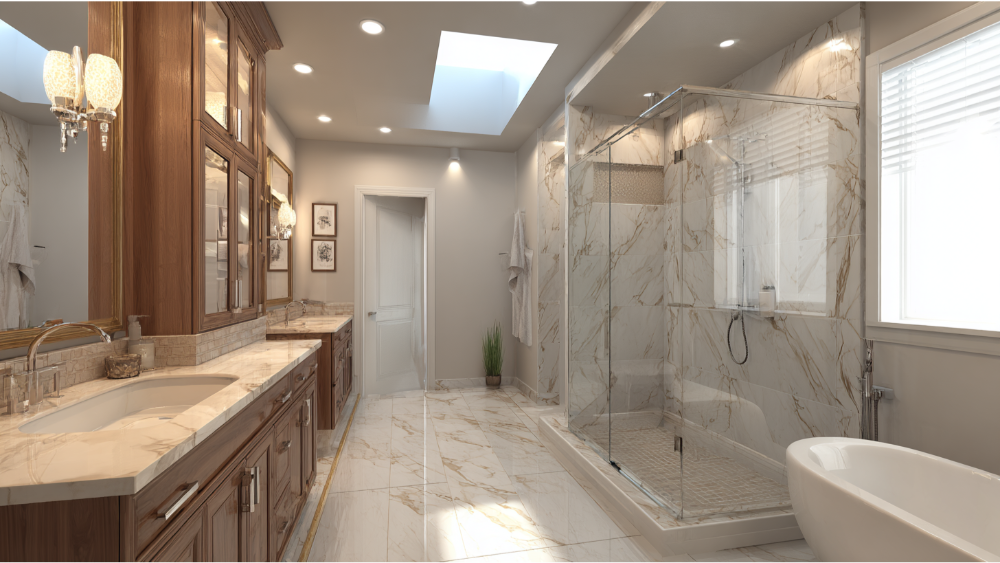
Understanding how costs are distributed helps homeowners make informed decisions.
Typical Budget Ranges
A bathroom remodel without moving plumbing generally costs less and is easier to predict. Projects that involve moving plumbing, rerouting pipes, or installing new plumbing lines typically increase the budget due to labor and materials.
Where the Money Goes
When plumbing stays in place, more of the budget can be invested in finishes, fixtures, tiles, and design details that homeowners see and use every day.
Is a No Plumbing Change Remodel Worth It?
For many homeowners, the answer is yes.
Best Scenarios for This Approach
This approach works well for guest baths, rental properties, and homeowners looking to save money while still improving their bathroom. It is also ideal when the existing layout already works.
When Layout Changes Make Sense
Primary bathrooms and long term homes may justify moving plumbing to create a dream bathroom. Accessibility needs or lifestyle changes can also warrant major plumbing updates.
How a Professional Contractor Helps You Decide
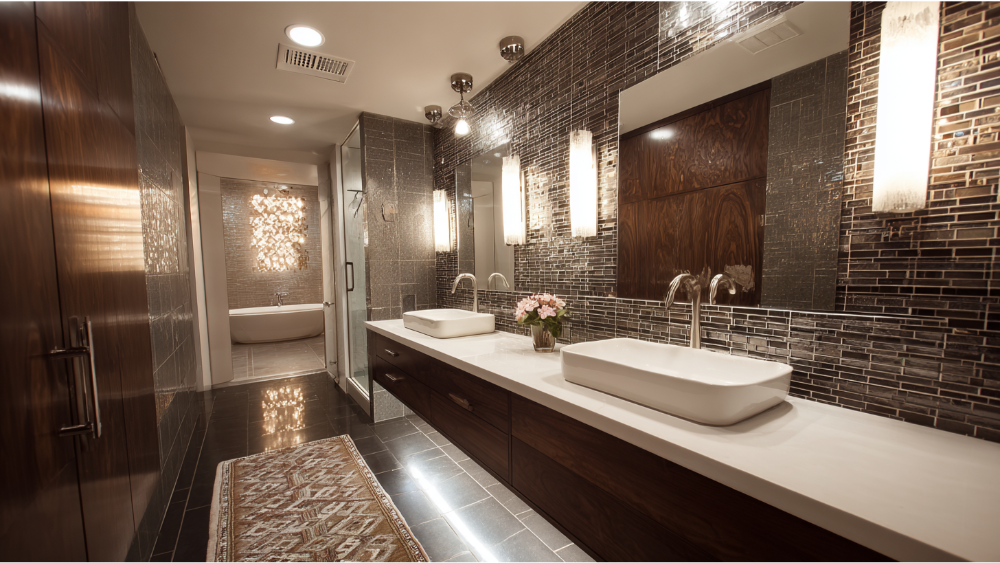
Professional guidance is essential when planning a bathroom remodel.
Evaluating Existing Plumbing Before Design
A thorough inspection helps identify potential issues with water pipes, drain lines, or supply pipes before work begins.
Designing for Maximum Impact
Experienced designers know how to create visual impact using materials, lighting, and layout improvements without moving plumbing.
Avoiding Costly Errors
DIY assumptions about plumbing often lead to mistakes. Hiring a professional plumber and contractor helps prevent water damage, code violations, and budget overruns.
Frequently Asked Questions
Can I replace a tub with a walk in shower without moving plumbing?
Often yes, as long as the tub drain and shower drain align with the new design. This allows for a smooth transition without costly plumbing relocations, making it a popular choice for budget-conscious remodels.
Can I move a vanity slightly without permits?
Even small shifts can affect the drain line and water supply, so professional guidance is recommended. It’s important to consult with a licensed plumber or contractor to ensure any changes comply with local building codes and avoid unexpected expenses.
Does keeping plumbing in place avoid permits?
Not always. Electrical work and ventilation upgrades may still require permits. Additionally, some cosmetic updates might be exempt, but it’s best to check with your local building department to be sure.
Will this type of remodel increase home value?
Yes. Updated bathrooms consistently rank among the most valuable home improvements. Maintaining the existing plumbing layout while modernizing fixtures and finishes often results in a high return on investment without the added costs of major plumbing work.
Final Thoughts: Planning a Smart Bathroom Remodel
A bathroom remodel without moving plumbing is one of the most effective ways to upgrade your home while controlling costs. By working with existing plumbing, homeowners can save money, reduce disruption, and still create a space that feels new and inviting. With careful planning, quality materials, and experienced craftsmanship, it is possible to remodel a bathroom in a way that balances style, function, and budget while protecting the integrity of the entire house.