Why an Organized Kitchen Makes a Difference
The Impact on Daily Convenience
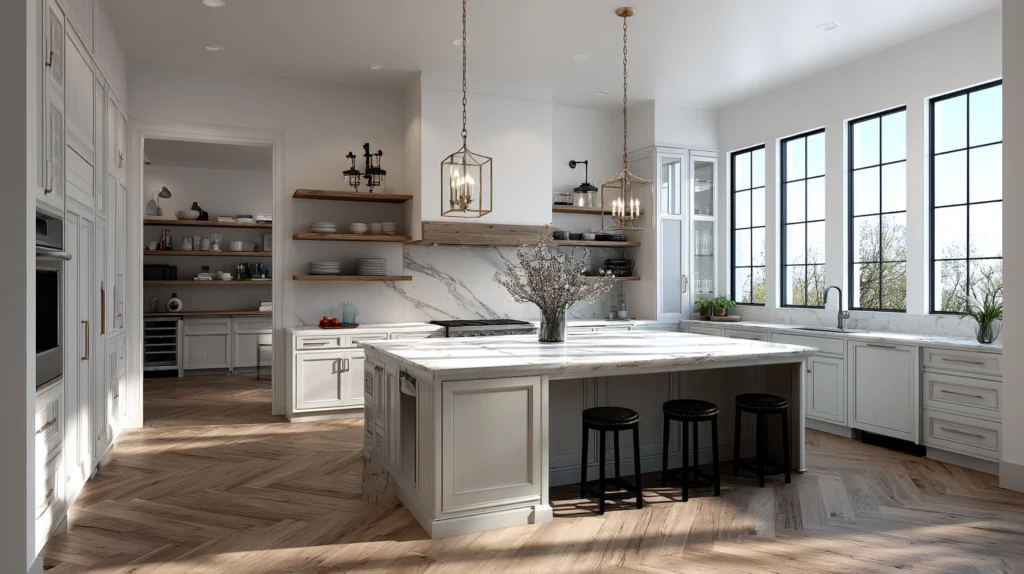
Learning how to organize kitchen cabinets creates a smoother cooking routine and helps you save time. When cabinets stay organized, every item has a clear place and you can work without interruption. A well organized layout supports busy families by reducing clutter and creating more room on kitchen counters. Clear systems help you access everyday items quickly and keep your kitchen running the way it should.
How Organization Supports a Better Kitchen Layout
A strong kitchen layout depends on efficient cabinet use. When you organize kitchen cabinets with simple and intentional systems, you create better flow between prep, cooking, and cleaning. You also prevent wasted space by giving every shelf a purpose. Smart kitchen cabinet organization keeps dishes and glasses grouped where you use them most, reduces the need to stretch or bend for less frequently used items, and supports an easier cleanup routine.
Why Homeowners in Sacramento and Surrounding Areas Prioritize Efficient Storage
Local homeowners want storage space that works year round. Seasonal cooking, hosting, and family schedules make an efficient kitchen essential. Many homes in the region include a smaller kitchen or traditional layout, which means every cabinet, drawer, and corner needs to maximize space. Organizing kitchen cabinets helps you maintain a tidy home, protect your cookware, and create a kitchen that feels balanced and organized.
Step 1: Start With a Full Cabinet Reset
Empty Every Cabinet
Begin by emptying every cabinet. This reveals what you own, what you use, and what no longer makes sense to keep. Removing everything from the cabinet door to the lower shelves helps you see where items naturally belong. This complete reset helps you organize kitchen cabinets with confidence.
Sort Items Into Keep, Donate, and Toss
Sorting items into clear groups helps reduce clutter. You may be surprised by duplicate utensils, unused containers, outdated gadgets, or food with expired expiration dates. Anything broken, worn out, or rarely used should leave the kitchen. Freeing up storage space creates room for the items you reach for most.
Clean All Shelves and Surfaces
Take time to clean each shelf, cabinet door, and drawer. Wipe down interior surfaces, vacuum crumbs, and remove old liners. A fresh foundation makes the next steps smoother and ensures your organizing system stays clean.
Tips for Evaluating What Stays and What Goes
Keep items that support your daily routine and remove anything that creates clutter. If you have similar items in various sizes, choose the ones that fit your cooking style. If something has not been used in the last year, it probably belongs in the donate pile. This process gives you more space to store dishes, cookware, dry goods, and pantry items that matter most.
Step 2: Create Clear Kitchen Zones
Understanding the Core Zones
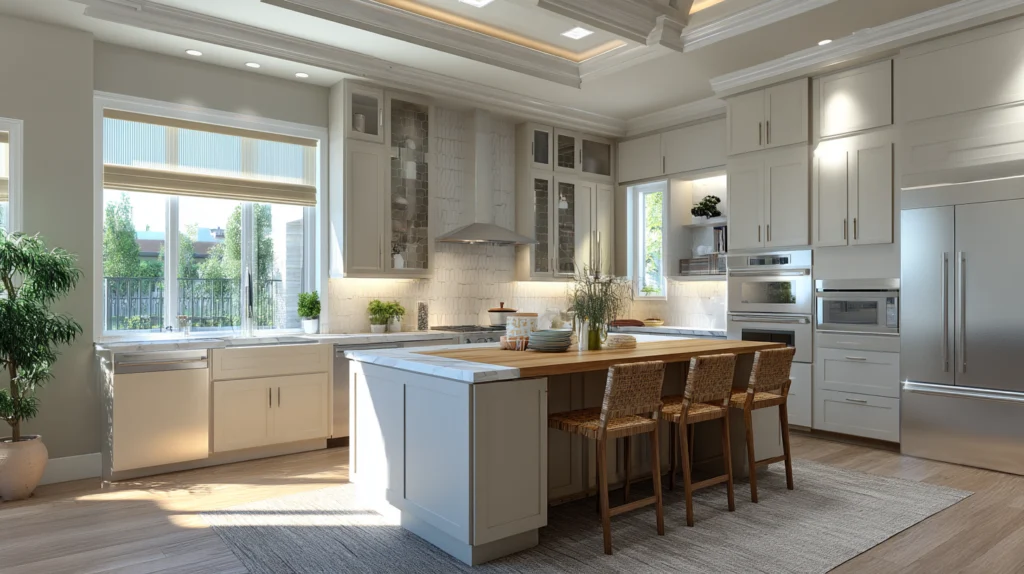
The most successful kitchen organization plans incorporate four core zones. The prep zone includes utensils, bowls, knives, and cutting boards. The cooking zone includes pots, pans, pot lids, trays, spices, oils, and tools you use near the stove. The cleaning zone includes dishes, glasses, plates, and items near the dishwasher. The food storage zone includes pantry goods, containers, and snacks. These zones help organize kitchen cabinets based on how you naturally move around the kitchen.
How to Assign Cabinets to Each Zone
Assigning one cabinet to each category helps reduce confusion and creates consistency. Store prep items close to the counter where you chop or mix. Place pots and pans near the stove. Keep dishes and glasses near the dishwasher to make unloading easier. Position dry goods in the pantry cabinet or wherever you store food storage containers. This process helps the entire family maintain the system.
Cabinet Zones That Work Best for Busy Families
Busy households benefit from simple zones that make sense for everyday cooking. A kid friendly snack area, accessible lower shelves for plates and bowls, and clear pathways for cooking help maintain order. These zones reduce clutter and support a natural workflow that stays organized long term.
Step 3: Group Items by Category
How to Build Consistent Categories
Category based organization makes maintaining your kitchen easier. Group similar items together so every shelf and drawer has a clear purpose. This reduces confusion and prevents smaller items from getting lost.
Common Groupings Homeowners Find Helpful
Common categories include everyday dishes, baking supplies, cookware, spices, containers, snacks, canned goods, and dry goods. Grouping dishes and glasses together provides easy access. Baking tools belong in one cabinet or drawer so ingredients and tools stay in one place. These systems help turn a cluttered kitchen into a calm and organized space.
Using Categories to Maintain Long-Term Organization
Maintaining categories helps keep your kitchen from drifting back into disorder. When each cabinet stores similar items, the system becomes easier to follow and clean. A consistent category based layout supports efficient cooking and prevents wasted space.
Step 4: Maximize Vertical Space
Shelf Risers and Tiered Organizers
Shelf risers create new layers in cabinets and help maximize space. They prevent stacking that leads to mess and make it easier to reach plates, bowls, and smaller items. Tiered shelves bring items forward so you can see what you have at a glance.
Installing Pull Out Racks
Pull out racks help you reach items more easily. Installing racks inside cabinets eliminates the need to stretch into deep corners. These racks help you store pots, pans, lids, trays, and containers without losing access.
Using Stackable Bins in Deep Cabinets
Bins help organize pantry items, dry goods, snacks, and smaller items in deep cabinets. Clear bins allow you to see what you have and make restocking simple. They also prevent items from shifting when you open and close cabinet doors.
When Cabinet Modifications Offer the Best Results
Sometimes minor upgrades like drawer organizers, drawer dividers, cutlery trays, or vertical dividers offer major improvements. These modifications help create more space and protect cookware. Adding organizers inside upper cabinets or lower shelves is a smart way to maximize space without a full remodel.
Step 5: Improve Visibility and Accessibility
Turntables for Condiments, Oils, and Sauces
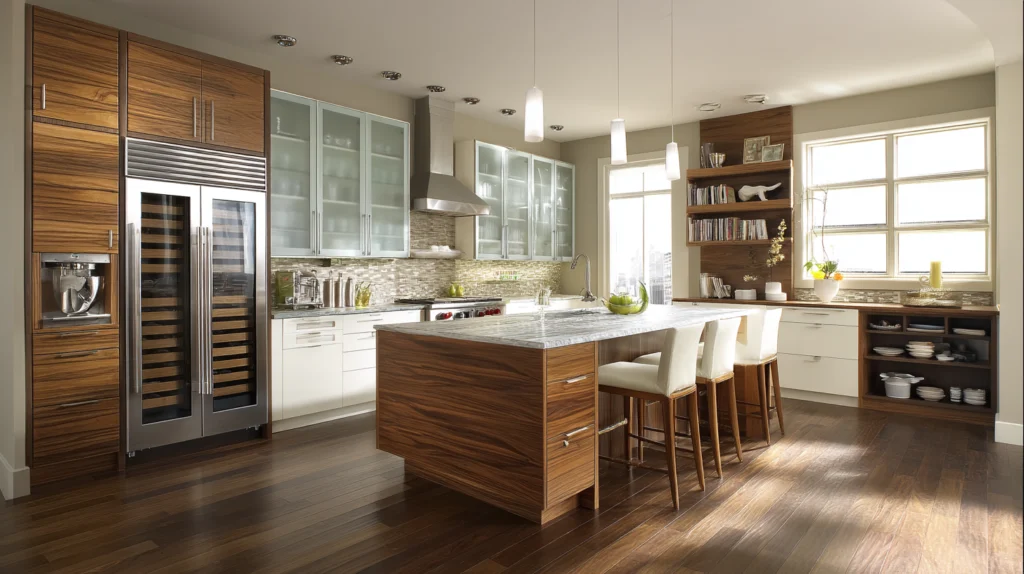
A lazy susan helps improve visibility and keeps smaller bottles organized. These rotating trays support fast access and prevent wasted food by keeping everything in view.
Clear Bins for Snacks and Baking Items
Clear bins help you manage inventory and keep pantry items contained. They are especially helpful for baking ingredients, mixes, or snacks for kids. Professional organizers are a big fan of bins because they keep similar items grouped neatly.
Roll Out Trays for Deep Lower Cabinets
Roll out trays help you pull items forward without searching through clutter. These trays support access to heavy appliances, food storage containers, and trays of various sizes.
How Accessibility Supports a Safer, More Efficient Kitchen Layout
A well organized kitchen supports safety by keeping heavy or fragile items at reachable levels. Accessibility also improves cooking flow, prevents spills, and supports easy access to the most used items.
Step 6: Organize Upper Cabinets
Best Zones for Daily Use Items
Upper cabinets work well for dishes, bowls, plates, and glasses. Place everyday items at eye level so they are simple to reach. Use the top shelf for less frequently used items.
Placement for Spices, Glassware, and Dinnerware
Keep spices near the cooking zone but away from direct heat. Store wine glasses and other glasses near water sources. Place dinnerware near the dishwasher to streamline cleanup.
How to Handle Hard to Reach Upper Shelves
Store less used items like seasonal dishes or specialty cookware on the highest shelves. These areas help store items safely while keeping the main shelves open for daily needs.
Step 7: Organize Lower Cabinets
Storing Pots, Pans, and Lids
Lower cabinets are ideal for storing pots, pans, and lids. Use organizers or racks to keep lids contained and prevent stacks from toppling. This helps you access cookware quickly during cooking.
Using Vertical Dividers for Baking Sheets and Boards
Vertical dividers support easy access to cookie sheets, trays, and cutting boards. They also prevent scratches and help each item slide out smoothly.
Where to Store Heavy Appliances Safely
Keep heavy appliances in lower shelves or drawers to protect your back and make them easier to lift. Storing them near prep areas supports fast setup.
Step 8: Organize Pantry Cabinets

Zoning Pantry Storage
Create pantry zones for snacks, dry goods, breakfast items, canned goods, and baking staples. This system keeps food organized and helps you track expiration dates.
Clear, Labeled Containers
Clear containers reduce visual clutter and help see food quickly. Labels help keep the system consistent. Containers also support better food storage by keeping ingredients fresh.
Using Bins for Meal Categories
Meal based bins save time during dinner prep. Group ingredients for pasta dishes, baking, or lunches. This supports fast planning and reduces stress.
Organizing Canned Goods and Bulk Items
Tiered shelves and shallow bins help you see canned goods easily. Bulk foods fit well in airtight containers that fit neatly on pantry shelves.
Step 9: Keep the System Working Long Term
Weekly 5 Minute Resets
Short weekly resets help reduce clutter. Putting everything back in its place keeps the kitchen organized even during busy weeks.
How to Avoid Clutter Returning
Buy only what fits comfortably within your storage system. A smaller kitchen can stay organized when every purchase makes sense.
Seasonal Checks and Decluttering
A seasonal review helps keep storage space clear and functional. This is a simple way to reassess categories and remove items that no longer serve your routine.
Organization Habits for Busy Families
Clear categories, labeled bins, and easy access systems help families maintain organization long term. When everyone understands where items go, the kitchen stays balanced and functional.
When a Kitchen Remodel Can Improve Cabinet Organization
Signs Your Current Cabinets Are No Longer Functional
If your cabinets feel crowded, if you struggle with wasted space, or if the kitchen layout no longer suits your routine, a remodel may help improve functionality.
Benefits of Custom Storage Solutions
Custom cabinets support your needs with built in dividers, trays, pull outs, and amazing organizers that help maximize space. These solutions help you store items safely and efficiently.
How New Cabinet Layouts Support Better Kitchen Flow
A new kitchen layout gives you the chance to rebuild your organization system from the ground up. Updated cabinets, deeper drawers, and improved shelf spacing support a cleaner, more organized kitchen.
Why Homeowners Trust Capital Construction for Kitchen Improvements
Local Expertise and Personalized Design Support
Our team understands how homeowners in Sacramento want their kitchens to function. We help create layouts that support everyday life and long term storage needs.
Commitment to Craftsmanship and Long Term Value
We build durable, high performing kitchens that fit your lifestyle. Every cabinet and drawer is crafted to protect your investment and provide years of reliable use.
How Our Team Helps Create a More Functional, Beautiful Kitchen
We guide you through each step of the remodeling process to ensure your new space supports better organization, efficient cooking, and daily comfort.
FAQs About Organizing Kitchen Cabinets
How often should I reorganize my kitchen cabinets?
Weekly resets and seasonal reviews help keep your kitchen cabinet organization system strong.
What should every kitchen cabinet include to stay organized?
Clear categories, bins, shelf risers, and drawer organizers support success.
How do I organize deep cabinets without replacing them?
Use stackable bins, pull out racks, and tiered shelves for easy access.
What is the best cabinet layout for a busy family?
Layouts with clear zones, easy access to everyday items, and structured drawers support busy routines.
Should I hire a professional to redesign my kitchen storage?
Professional organizers or a remodeling team can create systems that maximize space and match your lifestyle.
Conclusion
Organizing kitchen cabinets is a transformative step toward creating a more efficient, enjoyable, and functional kitchen. By following practical steps such as resetting your cabinets, establishing clear zones, grouping items by category, maximizing vertical space, and improving accessibility, you can make the most of your storage space and streamline your cooking routine. Whether you have a smaller kitchen or a traditional layout, these strategies help reduce clutter, save time, and maintain long-term organization. With thoughtful planning and the right tools, your kitchen cabinets can support a smoother workflow and a more balanced kitchen environment that meets your family’s needs every day.